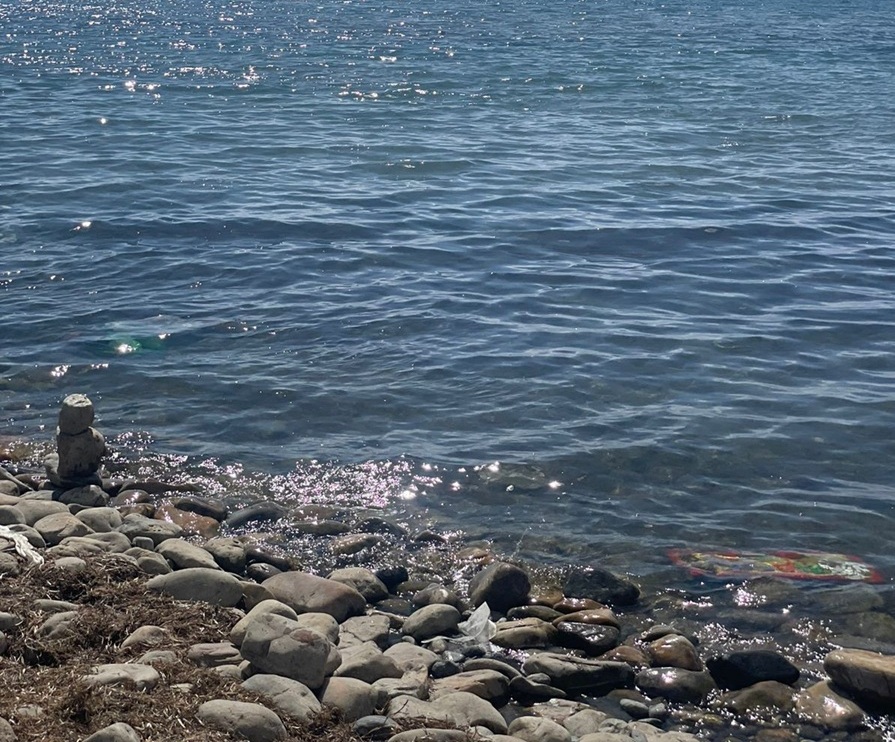









Mount Kailash Tour Package from Nepal by Helicopter is a touring package that provides a secured and well-managed tour to Mount Kailash and Lake Mansarovar for pilgrims as well as travelers. This is a heli tour designed to take tourists safely to Mount Kailash and Lake Mansarovar from Nepal.
This tour package provides one of the lowest costs for a Kailash Yatra 2026 tour while ensuring comfort and safety. The tour begins in Nepal and takes a beautiful route that helps in gradual altitude adjustment. The tour is best suited for pilgrims and travelers who want a reliable and straightforward tour to Mount Kailash.
Mount Kailash has special significance for millions of people all around the world. For the Hindus, Lord Shiva resides at Mount Kailash. For the Buddhists, Mount Kailash is the abode of Buddha Demchok. For the Jains, Mount Kailash is the abode of their first spiritual guide, Rishabhadev. Even the followers of the ancient Bon religion consider Mount Kailash a sacred site. Thus, Mount Kailash is one of the most sacred sites on the face of the earth.
The Kailash Mansarovar Yatra by Helicopter tour provides a faster means of reaching the sacred Mount Kailash site. For many devotees, Mount Kailash is a sacred site and worth visiting. For many, the long and hard journey to Mount Kailash may not be possible.
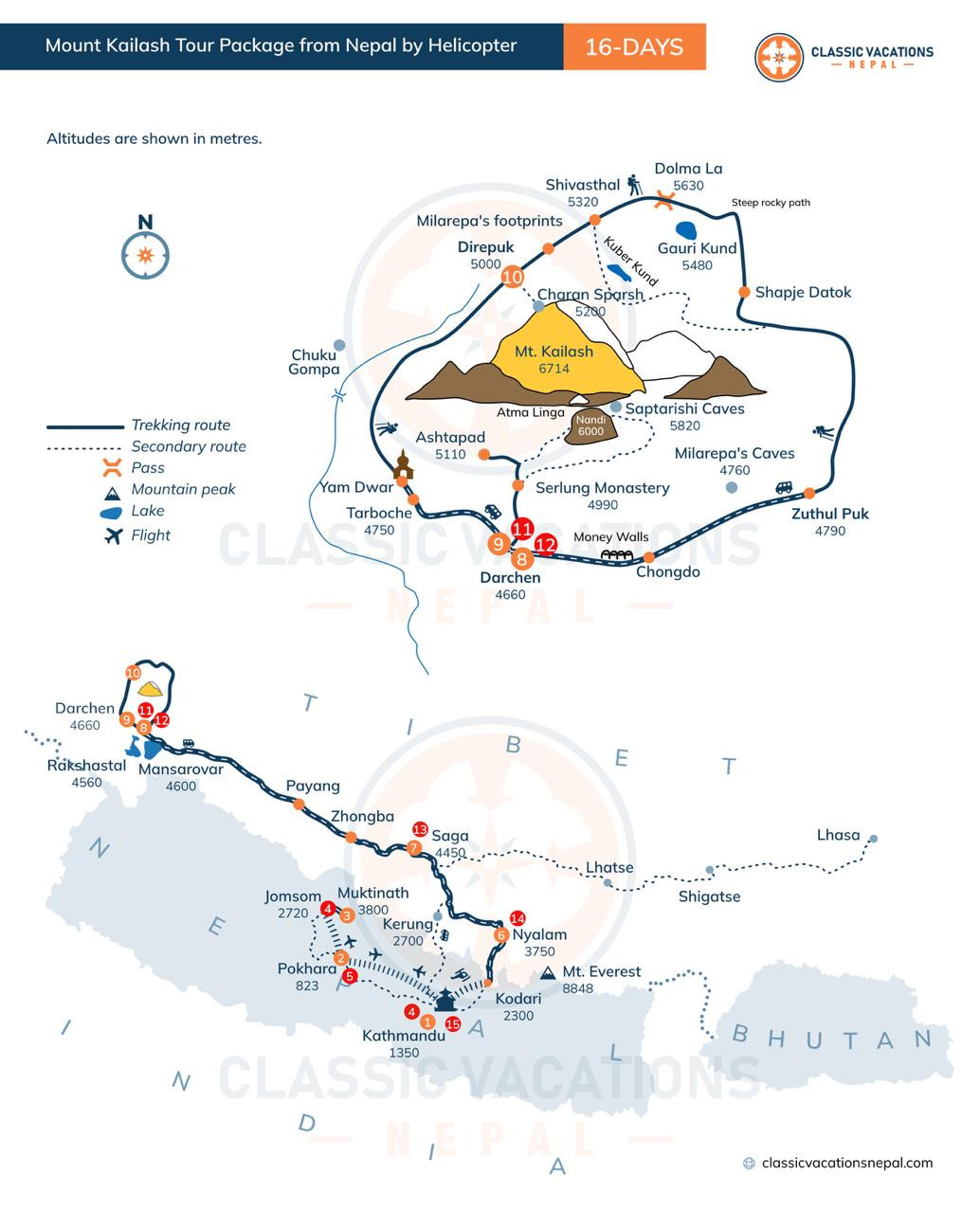
Your Mount Kailash Yatra by Helicopter starts from Kathmandu, visiting the sacred Pashupatinath Temple. You then fly to Pokhara and then to Jomsom, from where you drive to Muktinath to visit the temples and worship at the site. After this, you return to Kathmandu and then board a helicopter for Kodari, a border town between Nepal and Tibet. From Kodari, you drive a Land Cruiser to Nyalam, Saga, and finally arrive at Darchen, the starting point of Mount Kailash.
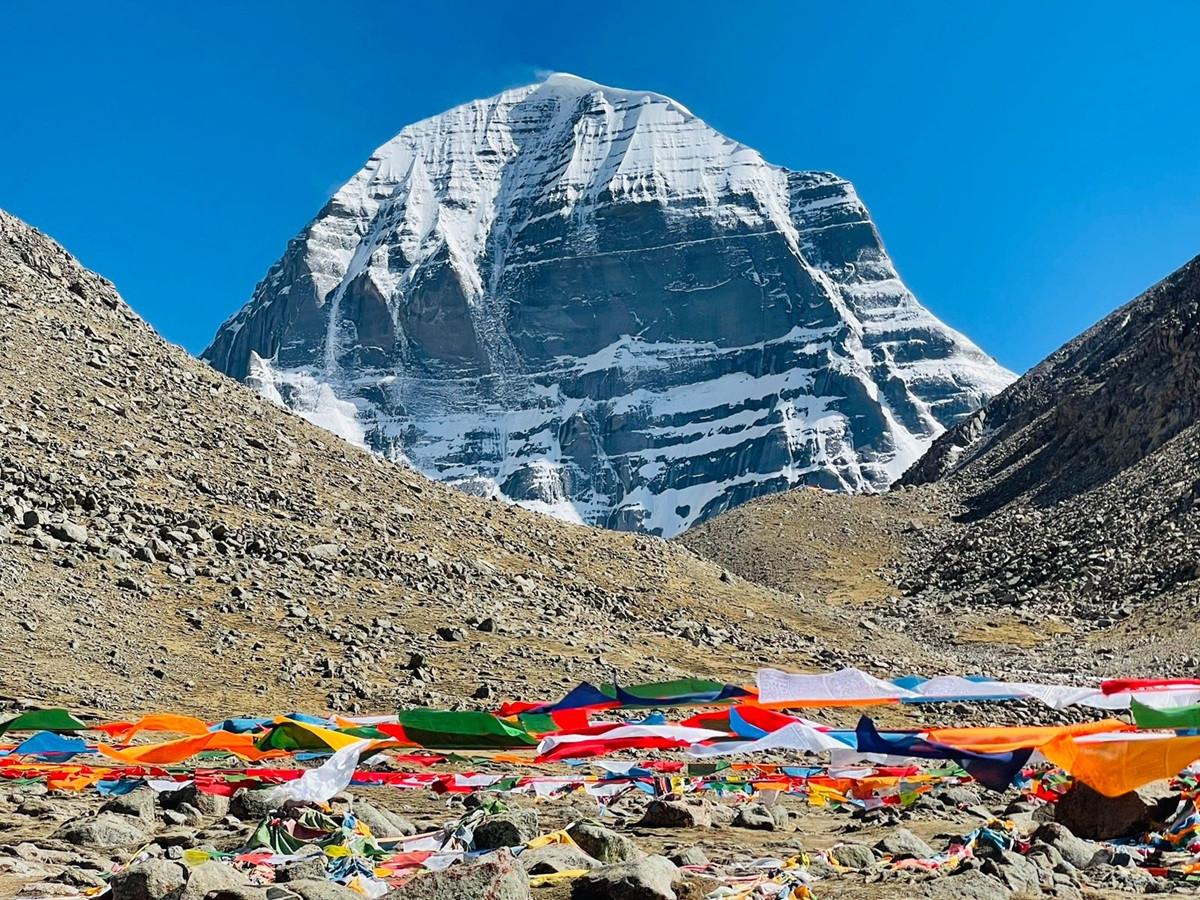
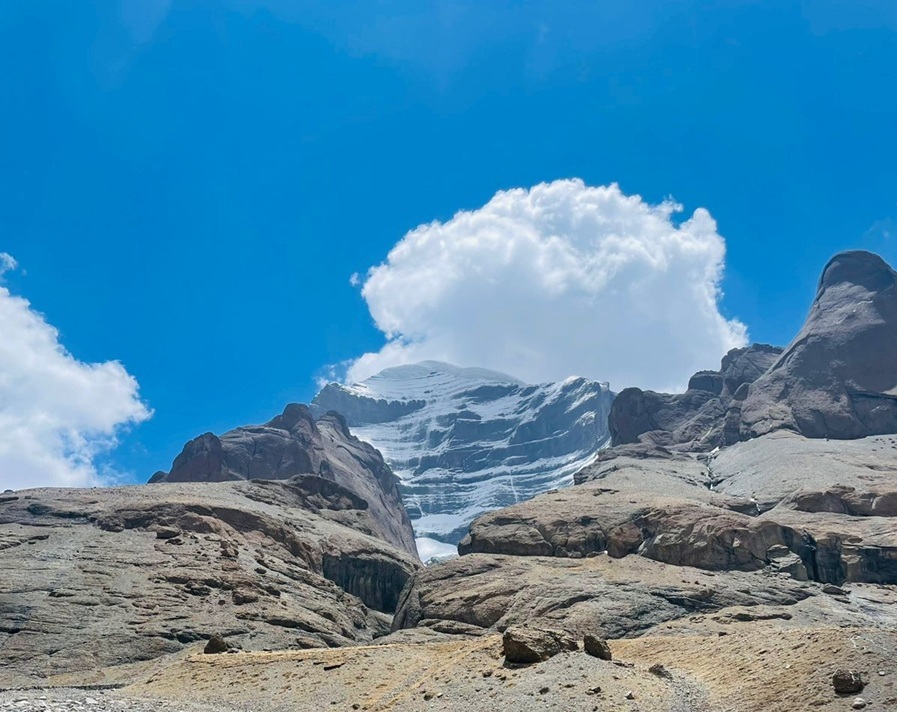
Mount Kailash rises to a height of 6,638 meters in western Tibet. What makes this mountain unique is that no one has ever climbed to the top of Mount Kailash. Many mountaineers have attempted to climb it but have failed. However, it is believed that only someone with a pure heart can climb to the top of Mount Kailash. Another unique thing about Mount Kailash is that it rises near the sources of four major rivers in Asia: the Brahmaputra, Sutlej, Indus, and Karnali.
The spiritual practice on Mount Kailash is Parikrama, which is a walk along a circular route around the mountain. The route is a 52-kilometer trek that usually takes three days for visitors. On the first day of the trek, you walk from Yam Dwar to Dirapuk, which covers a distance of 13 kilometers. On the second day, which is usually the most challenging part of the trek, you have to cross Dolma La Pass, which rises to a height of 5,630 meters. You walk 22 kilometers from Dirapuk to Zuthulphuk and then drive back to Darchen. On another day, you make a special trip to Serlung Monastery and Asthapad, which is part of the Kailash Inner Kora.
Along the way, you're treated to stunning views of the Himalayas, the wild Tibetan plateau and perhaps a sighting of a Tibetan antelope. You also have the opportunity to trek over a thousand-year-old monasteries, one of which is the Dirapuk Monastery with meditation caves. It is at high altitude, where the thin air slows you down, and rest days help acclimatize your body to the change.
Lake Mansarovar, which is located near Mount Kailash, provides another sacred experience for travelers on this journey. Here, you get a chance to do a Puja and Havan at the lake, as well as circumambulate the lake in a vehicle. This lake is sacred for Hindus, as they believe Shiva and Parvati take a bath here in these sacred waters, while for Buddhists, this is the "Jewel of Snows" used for meditation.
The route through which the helicopter passes makes it possible to undertake this spiritual journey in a shorter time. Starting with the visit to the Muktinath temple helps your body get used to high altitudes before you arrive at Kailash. On your return, you pass through the same route via Saga and Nyalam. Then, a helicopter ride from Kodari brings you back to Kathmandu. However, it is important to note that flying to high altitudes quickly can cause altitude sickness. Despite all these challenges, thousands of pilgrims undertake this route every year.
The Kailash Mansarovar Yatra offers a blend of physical adventure and spirituality. Whether you are on a mission to achieve your religious desires, enjoy the beauty of nature, or challenge yourself to complete something new, this journey to the 'Center of the Universe' will be one to remember forever.
|
Name |
Mount Kailash (also Gang Tise / Gang Rinpoche) |
|
Location |
Ngari Prefecture, Tibet Autonomous Region, China |
|
Coordinates |
31.0675° N, 81.3119° E |
|
Elevation |
6,638 m (21,778 ft) above sea level |
|
Range |
Part of the Kailash (Gangdise) Range in the Transhimalaya |
|
Climbing Status |
Unclimbed; climbing is prohibited for religious reasons |
|
Nearby Sacred Lakes |
Lake Mansarovar (freshwater) & Lake Rakshastal (saltwater) |
|
Religious Significance |
Sacred in Hinduism, Buddhism, Jainism, and Bon traditions |
|
Major Rivers Origin |
Indus, Sutlej, Brahmaputra & Karnali originate near the area |
We provide customized private tours and group departures for the Kailash Mansarovar Yatra in 2026 and 2027. The tours will be specifically designed for Indian and NRI pilgrims. As a reliable tour operator in Nepal, we assure you of a spiritual journey to this sacred pilgrimage site.
The customized private tours will be appropriate for individual travelers, families, and groups of friends traveling together. We tailor our tours to give you comfort, security and ample opportunity to discover for yourself the spiritual Tibet. We limit the size of our groups in order to give personal attention to each pilgrim.
Our experienced travel consultants and Tibetan guides will accompany you throughout your trip. We promise you a hassle-free travelling as you begin your spiritual journey.
We would suggest beginning the yatra from the Nepal side as it is easier and faster. It will be an easier way for the Indian and NRI community to take this route for the Kailash Yatra. You can also include other activities in your journey, like trekking in the area or attending special festivals. The Kailash Dawa festival on May 31, 2026, is a special cultural experience for those interested. Let us help you plan your personalized Kailash Mansarovar Yatra.
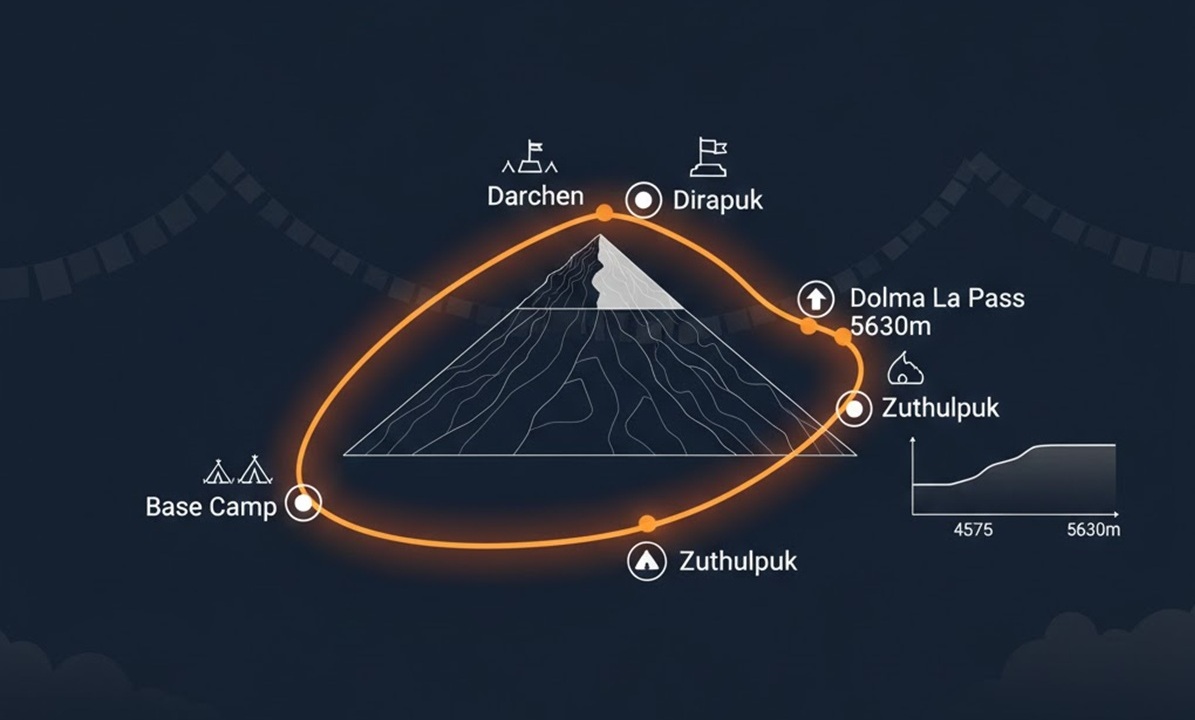
Absolutely, you can go for Mount Kailash, also known as Kailash Parvat and do the parikrama ritual along your spiritual quest. Mt Kailash is one of the holiest pilgrimage places across the world, and to make a circuit around Mt Kailash is regarded as a spiritual experience for not only Tibetans but also Hindus, Buddhists, Jains and Bonpos. It is believed by the pilgrims that passing through this Parikrima bestows spiritual purification, credit and internal harmony. The circumambulatory part of the mountain traverse is 52 km and lasts three days, and includes camping stops at Dirapuk, Dolma La Pass, Zuthulpuk, and others.
Although at Parikrima you would not be able to climb the Kailash peak, since we are customed with climbing, however, it is forbidden to climb Mount kailash but you are free to walk around and do prayers, rituals, meditations around the mountain. There are some pilgrims who perform the ritual of Charan Sparsha by touching the holy ground near the north face of Mount Kailash.
Traveling to Mount Kailash and Parikrima can be done by joining a tour, as independent travel to this place is prohibited.
|
Day |
Parikrama Activity |
Distance and Notes |
|
Day 1 |
Darchen to Dirapuk |
About 12 km trek to first camp |
|
Day 2 |
Dirapuk to Zuthulpuk via Dolma La Pass |
About 22 km, most challenging day |
|
Day 3 |
Zuthulpuk to Darchen |
About 10 km return trek |
This 3-day schedule is the most common way to complete the traditional Kailash Parikrima circuit.
Our cost for the Kailash Mansarovar tour package from Nepal is US $4,580 per person. The cost includes the entire pilgrimage trip from Kathmandu, Tibet visa, Tibet permit, road and helicopter transportation as per the itinerary, hotel and guesthouse accommodations, meals, and experienced guides for the entire trip, making your trip safe and well-organized from the beginning to the end of the trip.
The cost remains the same irrespective of the year if you book the same package. The cost includes the entire pilgrimage trip to Mansarovar Lake and the trek to Mount Kailash Parikrama.
The Parikrama (Kora) of the revered Mount Kailash trek is also included within the US $4,580 tour package for each person if you are leaving from Nepal. This means that, apart from the rituals and darshan at the revered Mansarovar Lake, you will also be able to complete the 3-day trek of the revered Mount Kailash Parikrama as part of your package deal.
During the Parikrama, you will be trekking through some of the most challenging high-altitude treks, such as the Yam Dwar trek, Dirapuk trek, Dolma La Pass trek at 5,630 meters, and the Zuthulpuk trek, after which you will be returning to Darchen upon completing the Parikrama of the revered Mount Kailash.
The Yatra falls from April to September/October 2026. There are a large number of fixed dates on full moon nights and other prominent spiritual occasions. During the full moon, it is also considered an extremely auspicious time for darshan and for doing Parikrama around Lake Mansarovar.
The 2027 Kailash Mansarovar Yatra will be conducted within the window of May to September. The fixed group departure dates will be announced in 2026. The full moon and spiritual dates will assist pilgrims in deciding on the best time to visit.
Here are some full moon & festival dates in 2027:
(The day that the first full moon of Saga Dawa falls on will be June 18, 2027.)
The 2028 Kailash Mansarovar Yatra will, as usual, be scheduled during the traditional time period of May to September. The fixed departure dates for the year have not yet been announced, although early indications suggest the best time for travel, as usual, during the full moon period and festivals.
June 7, 2028, is Saga Dawa Festival Day, which falls on a full moon date during the Tibetan lunar calendar period, which is considered an auspicious time for spiritual travel alignment.
It is advised to book early for the 2028 Kailash trip, as soon as the fixed departure calendar for the year is announced, especially during the Saga Dawa period and full moon nights.
Helicopter Kailash Mansarovar Yatra from India is a spiritual trip to the Kailash Mansarovar region. The cost of the trip varies depending on the route, mode of transport, and the services provided. But the cost of the luxury trip by helicopter may vary from ₹421,000 to ₹4.2 lakhs per person.
Generally, the cost of the trip includes transportation, stay, and food. But the cost of the trip may not include international flights, insurance, and other costs such as tips. The trip may take around 10-25 days, including high-altitude travel. And the trip requires good physical condition and documentation.
The lowest cost that Yatra can incur would vary depending on the group size, route, and services. The standard cost of a private tour operator from India would vary from ₹1.5 lakh to ₹2.2 lakh for budget overland tours. The Indian government tours organized by the MEA can be the lowest cost official tours (~₹1.74 lakh), but the tour should be long and include trekking.
Budget tour operators may offer ultra-low group prices to their members on a per-person basis, as low as $4,580 in rare cases, including minimal inclusions only.
| Group Size / Difficulty | Cost per Person (Approx.) | Notes |
|---|---|---|
| Solo / Difficult trek only (minimal) | $4,580 | Lowest promo / minimal services |
| Small group (4–7 pax, budget) | $1,318–$1,412 | Shared costs, basic services |
| Standard overland (private operator) | $2,353–$2,941 | Full package, basic amenities |
| Government route (lottery) | ~$2,047 | Cheapest official option |
The Mount Kailash Tour Package from Nepal by Helicopter is a luxurious spiritual tour package with a cost of US $4,580 per person. We at Classic Vacations Nepal have designed this package with perfection to provide you comfort, safety and your spiritual fulfillment in your sacred pilgrimage. We do not have any hidden costs; you pay only for what you get.
The package includes Mansarovar Lake darshan and completes Mount Kailash Parikrama (Kora) in 3 days, which includes high-altitude treks through Yam Dwar, Dirapuk, Dolma La Pass (5,630m), and Zuthulpuk.
We are committed to providing you with customer support 24/7. For questions or to personalize your sacred journey, feel free to contact us:
Nepal:
Mr. Chet Prasad Bhatta
USA:

 1399m
1399m
 (Airport to Hotel only)
 Transfer time varies (30 min - 1 hour depending on traffic)
You will land at the Tribhuvan International Airport in Kathmandu, where a representative from our team will facilitate you to get through immigration and luggage retrieval. You will transfer straight to your hotel from the airport, driving through the city of Kathmandu Valley.
The drive is through a multi-layered cityscape of old temples, shrines on the roadside, new shops and crammed blocks. You’re guaranteed to leave with an authentic feel for local life as the buzz of motorbikes, rickshaws and pedestrians passes around you.
This afternoon, you will have a brief orientation walk around your hotel. You will pass by old Newari houses, prayer flags, a small grocery store and a local tea shop where you find locals chatting. You’ll also pass courtyards featuring stone water spouts still in use by residents.
In the evening, you will have a thorough briefing on various aspects of your trek (pilgrimage protocol, altitude consciousness, helicopter/airplane logistics and cultural sensitivities in Nepal and Tibet). You are going to carry out the checks of verification and packing. Dinner and overnight at the hotel in Kathmandu.

Hotel Shanker / Ramada Encore Kathmandu / Barahi Kathmandu (4*)

Breakfast, Lunch, Dinner, Tea/ Coffee, Hot Water / Mineral Water- (Veg. Meals by Nepali Sherpa Team)
822m
5 km
6-7 hours
 Descent to 822m
You'll start your day early with a guided tour of Pashupatinath Temple, the holiest Hindu site in Nepal, dedicated to Lord Shiva. You will be driven in the morning after breakfast, following the Bagmati River corridor. In the temple grounds, you can see some traditional rituals, such as cremation near the riverbank and chanting from a priest. You will attend a formal darshan and puja with temple priests, in the traditional manner and procedure.
The environment around the temple will expose you to old spiritual practices and the cycle of life and death in Hindu philosophy. You'll see ascetics in saffron robes, families making offerings to ancestors and pilgrims from Nepal and India.
At the end of the ceremonies, you will proceed back to your hotel for lunch and subsequent arrangements for departure on your next flight. You will fly to Pokhara in the afternoon, where you can return to your hotel and enjoy a night. A scenic, short flight will provide stunning views of terraced hills, river valleys and, on clear days, the Himalayan range. Once you're there, you'll check-in to your lakeside hotel and spend the night in Pokhara.
Hotel in Pokhara (Standard/Deluxe category)
Breakfast, Lunch, Dinner, Tea/ Coffee, Hot Water / Mineral Water- (Veg. Meals by Nepali Sherpa Team)
3800m
(flight) 70 km and (drive) 45 km
Flight: 15 minutes, Drive: 2-3 hours
 2-3 hours
2-3 hours
2-3 hours
You will leave after breakfast for an early morning flight from Pokhara to Jomsom. It's a short mountain flight along the Kali Gandaki River gorge, revealing the spectacular key views of Annapurna and Dhaulagiri range, including deep canyons. As you land at Jomsom, it is like stepping into a different world with gushing winds, a broad river bed and stone houses.
You will then drive to Muktinath. The drive will be around two or three hours on mountain roads. You'll traverse through the traditional Mustang villages with white-washed houses, prayer walls and rotating praying wheels. You can see locals in Tibetan fashion, driving yaks and goats or working small fields.
Vegetation will become sparse as you ascend, and you'll see nothing but soaring cliffs and snow-laden peaks. You will check into your lodge and sleep upon reaching Muktinath. The evening is for acclimatization, a short walk and experiencing the beauty of Mountainside. Overnight stay at a local teahouse at Muktinath.
Guest House
Breakfast, Lunch, Dinner, Tea/ Coffee, Hot Water / Mineral Water- (Veg. Meals by Nepali Sherpa Team)
3800m
Muktinath to View Point: 2-3 km, Muktinath to Jomsom: 45 km
Temple puja & acclimatization: 4-5 hour, Drive back: 2-3 hours
2-3 hours (descent to 2,720m - Jomsom)
In the morning, after breakfast, you will trek to the Muktinath Temple for darshan and a puja. The ritual will be led by a priest in the Hindu custom, and you need prayers at the main shrine of Lord Vishnu. You will also walk through the 108 spring water spouts, where pilgrims supposedly bathe despite the cold. Here, you will see that the undying natural flame has great significance for the Hindus and Buddhists.
Acclimatization will be the next thing scheduled in the late morning. You will walk slowly and stay close to the settlement, giving your body some time to adapt to the height. The region will provide clear vistas of Nilgiri, Dhaulagiri, and other arid ridges of the Himalaya. Tibetan influenced ways of life, solid houses of stone and fields of barley can be seen with thatch striped roofs, while prayer flags flap in the high wind.
In the afternoon, you will drive to the Mustang viewpoint. From here, you get a bird's-eye view of the Kali Gandaki Valley with all its barren, raging grandeur and whitewashed snow peaks in the distance. In the evening, you will drive down to Jomsom. You will stay overnight in Jomsom after checking in.
Hotel/Guest House
Breakfast, Lunch, Dinner, Tea/ Coffee, Hot Water / Mineral Water- (Veg. Meals by Nepali Sherpa Team)
2720m
Jomsom to Pokhara: 70 km, Pokhara to Kathmandu: 200 km
Jomsom-Pokhara flight: 15 minutes, Pokhara-Kathmandu flight: 25 minutes, Total travel time: 3-4 hours
Descent to 1,350m (by flights)
Hotel Shanker / Ramada Encore Kathmandu / Barahi Kathmandu (4*) - MAP Plan
You will start your day early by catching a short flight from Jomsom Airport to Pokhara after breakfast today. During the flight, you retrace your path following the incredible Kali Gandaki Gorge. You will once more see dramatic differences in weather, since the terrain to your left is dry trans-Himalayan and then green, more hospitable hills below. You will head straight to the domestic terminal once landed from Pokhara for your flight back to Kathmandu.
Pokhara to Kathmandu takes you over terraced hills, river systems and scattered hill towns. As you near Kathmandu Valley, expanding urban developed areas are surrounded by green ridgelines. Upon arrival, you will be transferred to your hotel for check-in.
The rest of the afternoon is free to relax, re-pack your bags and get ready for the Tibet tour. The guide will double-check the permits, travel documents and altitude medication schedule. In the evening, you will receive a comprehensive briefing on the helicopter transfer process, border formalities and high altitude journey in Tibet. You will sleep in Kathmandu so you can rest before going into the hills.
Hotel Shanker / Ramada Encore Kathmandu / Barahi Kathmandu (4*)
Breakfast, Lunch, Dinner, Tea/ Coffee, Hot Water / Mineral Water- (Veg. Meals by Nepali Sherpa Team)
3750m
Kathmandu to Kodari (heli): 120 km, Kodari to Zhangmu/Nyalam: 30-40 km
Heli flight: 15 minutes, Border formalities & drive: 3-4 hours
3-4 hours
Hotel/Guest House in Zhangmu/Nyalam/Kerung
Your day will start early in Kathmandu as you head over to the heliport for an onward helicopter flight toward the northern border. The flight to Kodari takes you across deep river valleys, forested hills and small mountain villages. You can expect rocky landscape, suspension bridges and landslide-inducing slopes that serve to reinforce the remoteness of the area.
After landing at the Kodari border point, our ground team provides support to finish up Nepal's exit formalities. Upon entering the Tibet Autonomous Region, entry formalities will be presided over by Chinese immigration authorities. You will then drive to Zhangmu, Nyalam or Kerung, depending on the road conditions.
Your drive will take you higher and higher. Traffic is nonexistent as your route takes you up through narrow mountain roads with deep gorges and high cliffs. Prayer flags, mani walls and grazing yaks are what you will see in this part of Tibet. Upon reaching your designated town, you will check into the hotel and stay overnight.
Hotel/Guest House in Zhangmu/Nyalam/Kerung
Breakfast, Lunch, Dinner, Tea/ Coffee, Hot Water / Mineral Water- (Veg. Meals by Nepali Sherpa Team)
4450m
270 km
6-8 hours
6-8 hours
You will start the next day, following an early breakfast and health check to ensure that you have acclimatized. The drive to Saga will lead you further into the Tibetan Plateau, over wide highways snaking through enormous open spaces.
As you trek back on rising ridges to Nyalam or Kerung, the views will change from the sharp valleys of these mountains to open, high ground. In the distance, you'll see snow-tipped peaks, braided rivers and long stretches of desolate land molded by wind and cold.
During the drive, you will visit small settlement camps of nomadic Tibetan who blue tents made from yak hair or low houses. You will also see yaks and sheep grazing on the grasslands tended by nomadic shepherds whose traditional dress is of wool. You will notice little roadside monasteries and colourful prayer flags at passes in the mountains, evidence of the long-established Buddhist culture of the area.
You'll take breaks at resting, drinking and photo opportunities. Check into the hotel upon reaching the small but significant transportation hub of Saga. Keep it easy the night as well, to allow your body to acclimate to this higher elevation. You'll have dinner and spend the night in Saga.
Hotel/Guest House
Breakfast, Lunch, Dinner, Tea/ Coffee, Hot Water / Mineral Water- (Veg. Meals by Nepali Sherpa Team)
4600m
547 km
8-9 hours
8-9 hours
Minimal
You will leave Saga in the morning today, as you are looking at one of the longest driving days of your trip. The road stretches west over an empty Tibetan plateau, with open plains stretching out to far-off mountain ranges and salt lakes sparkling in the high-altitude sun. And the vast distances of the landscape provide a deep feeling of solitude and inner peace.
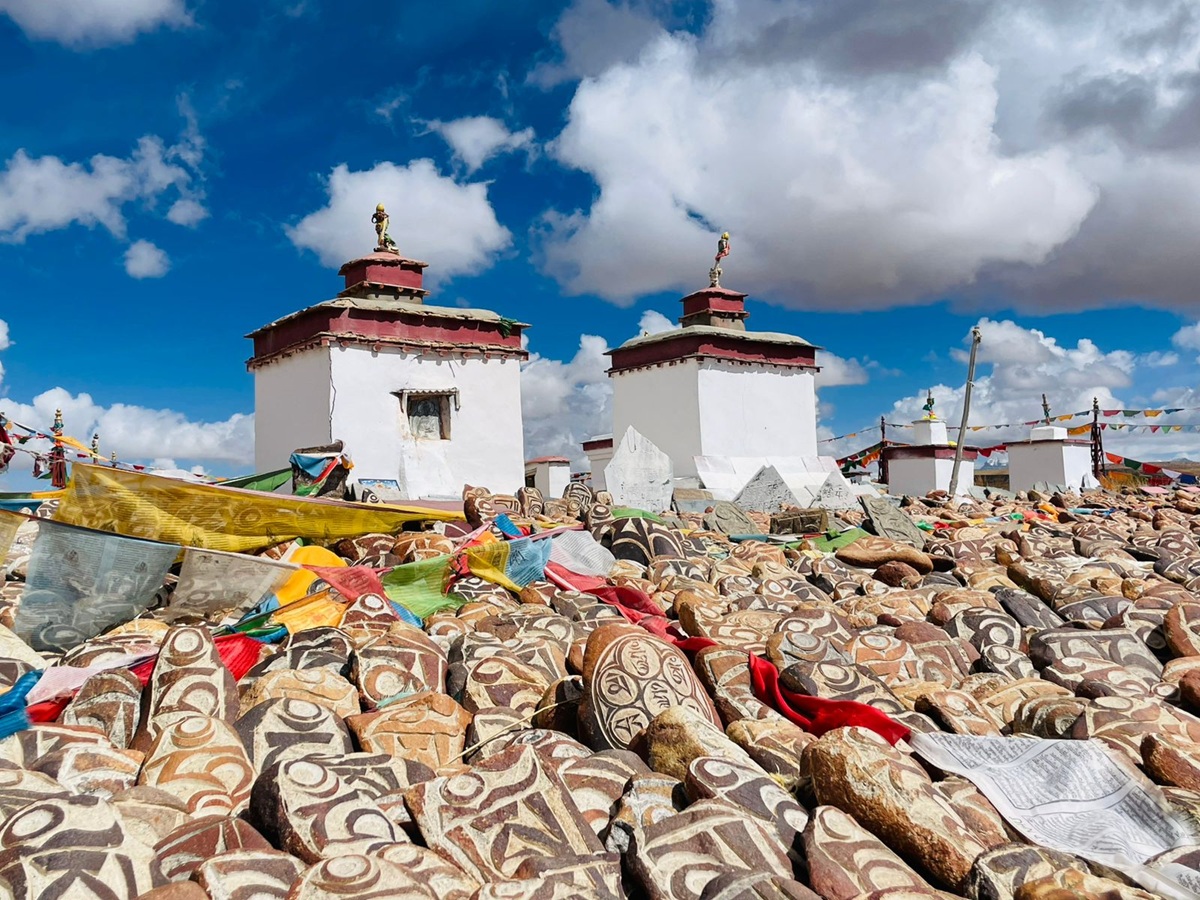
You will cross several high passes enroute adorned with prayer flags and stone cairns. You’ll meet Tibetan truck drivers, pilgrims journeying by car and nomads shuffling livestock across the steppe. The life here seems basic and strong, forged by altitude, weather and centuries-old traditions.
Near here, the sacred land of Mount Kailash will come into sight as you approach Darchen. On clear days, you will have your first far-off sighting of the mountain’s special pyramid-shaped summit. This will be a significant experience on the spiritual portion of our trip.
At Darchen, you will check into a guesthouse or hotel, where you will stay at a hotel overnight.
Hotel/Guest House
Breakfast, Lunch, Dinner, Tea/ Coffee, Hot Water / Mineral Water- (Veg. Meals by Nepali Sherpa Team)
4590m
80 km
5-6 hours
You will rise early and take a drive to the sacred Lake Mansarovar -only a short distance away from Darchen. On the way to the lake, the views will open up into a broad basin ringed by snowy peaks. Mansarovar's water is so clear that it mirrors the sky and mountains to give a highly spiritual feeling.
Upon your arrival, you'll be accompanied by the priests for puja and havan as per Hindu tradition. You'll make prayers on the side of the lake while Buddhist pilgrims chant and meditate in nearby monasteries, underscoring the fact that this area is a shared place of reverence. There will be an atmosphere of quiet meditation and contemplation.
After your rituals, you will take a parikrama of Mansarovar Lake by surface, and it is about 32 Kms. In the afternoon, you will drive back to Darchen, about 80 km in total and stay overnight at a hotel.
Hotel/Guest House
Breakfast, Lunch, Dinner, Tea/ Coffee, Hot Water / Mineral Water- (Veg. Meals by Nepali Sherpa Team)
5000m
Drive to Yam Dwar: 8 km, Trek: 13 km
Drive: 30 minutes, Trek: 5-6 hours
5-6 hours
You will start your day early in the morning in Darchen after breakfast, followed by one last trekking briefing. From here, you will drive a short way to Yam Dwar, the ancient entrance to Mount Kailash. Here you will see devout pilgrims praying before they embark on the holy circumambulation.
Then, you will hike from Yam Dwar to Dirapuk Monastery on a clearly marked path. The route traverses glacial streams and rocky terrain with continuing vistas of Mount Kailash's north face. You will walk at a moderate speed to ensure good acclimatization. Along the path, you will encounter pilgrims from Tibet, India, Nepal and Bhutan; a large proportion of them doing so with full-body prostrations as a form of religious worship.
You'll pass plain tea shops run by local Tibetans with basic food and a place to stay. In the late afternoon, you'll arrive in Dirapuk (below the north face of Mount Kailash). The stunning vertical cliffs and the icy ridges will become part of its skyline. Overnight stay at Dirapuk; you will have dinner and rest there.
Hotel/Guest House
Breakfast, Lunch, Dinner, Tea/ Coffee, Hot Water / Mineral Water- (Veg. Meals by Nepali Sherpa Team)
5630m
Trek: 22 km, Drive from 2nd Tea Shop to Darchen: 16 km
Trek: 8-9 hours, Drive: 30 minutes
3-4 hours
5-6 hours
Today is going to be the toughest day of your trek. Following the light meal, you will begin to ascend towards Dolma La Pass. The route can become steep, taking you through the rocky and icy terrain. You will hike slowly and patiently, making sure to drink and take in electrolytes to avoid the risks of altitude sickness. As you reach the pass, you can see prayer flags, frozen streams and the Gauri Kund Lake far below.
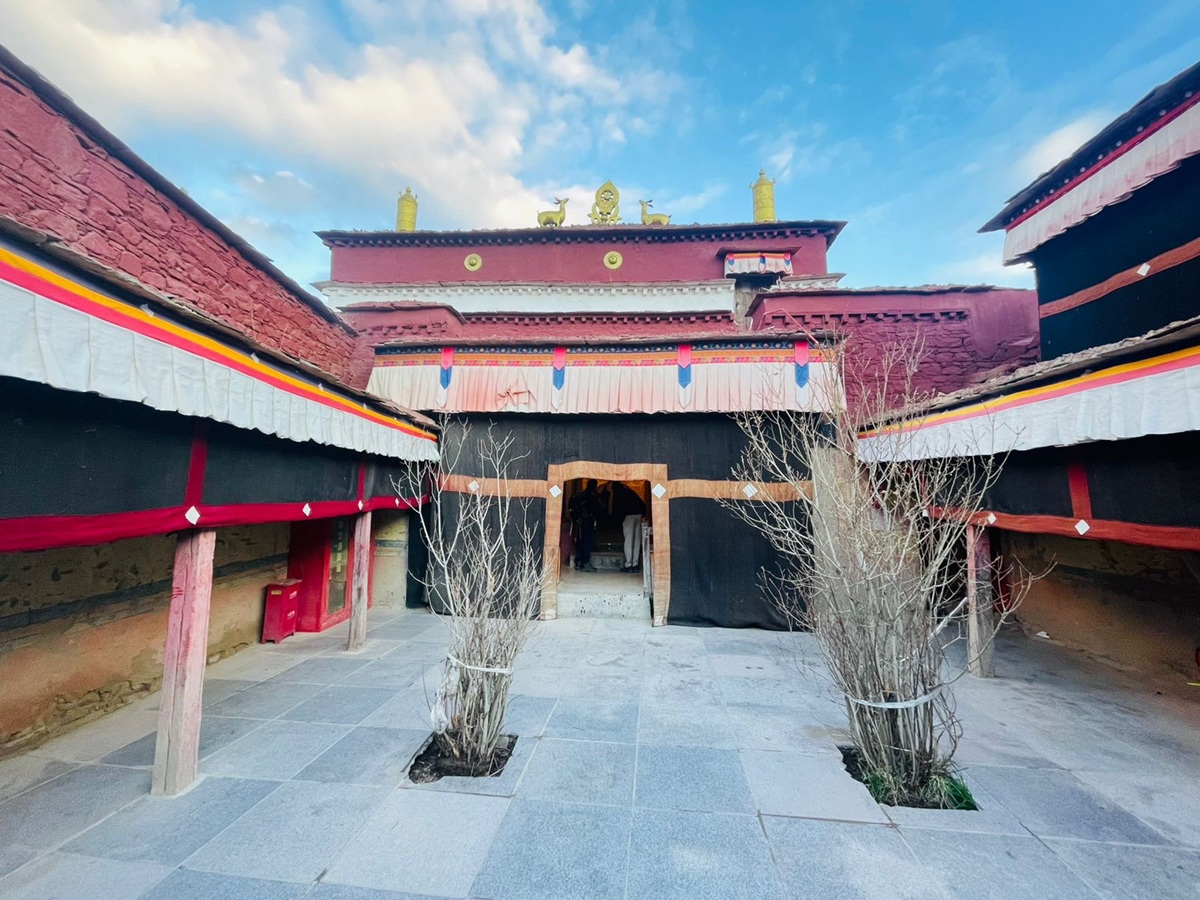
You will have a brief rest for prayers and descents at the highest point of Kailash Kora, Dolma La. From here, you will descend all the way back down to the floor of the valley. There, the landscape will gently incline, as paths widen and open fields replace some of the steeper slopes. You will then continue hiking to Zuthul Puk ('the cave of miracles'), the meditation site of Milarepa.
You will reach your vehicle near Zuthul Puk, the second tea shop area on return and drive back to Darchen. Upon reaching there, you can settle in at your accommodation for the night with a hot meal and a good night's sleep.
Hotel/Guest House
Breakfast, Lunch, Dinner, Tea/ Coffee, Hot Water / Mineral Water- (Veg. Meals by Nepali Sherpa Team)
4990m
40-50 km
6-8 hours
2-3 hours
2-3 hours
After breakfast at Darchen, you will drive towards Serlung Monastery, situated in a secluded valley of Mt. Kailash. The pass will traverse harsh terrain, with few human inhabitants, to evoke isolation and profound spiritual presence.
In Serlung Monastery, you will see ancient murals, prayer halls and monastic inhabitants following the exact old monastic schedules. The monastery will provide close views of Mount Kailash from its seldom-visited sides. After sightseeing, you will drive to Asthapad, considered to be where Jain Tirthankara Rishabhdeo attained moksha. This area will afford a panorama of Kailash's western and northern sides.
Throughout the day, you'll pass pilgrims performing inner kora rituals. gestures; some in silence or prayer. There will be an experience of rawness, sacredness; it's a world defined by belief rather than tourism. In the afternoon, you will trek back to Darchen and stay overnight there.
Hotel/Guest House
Breakfast, Lunch, Dinner, Tea/ Coffee, Hot Water / Mineral Water- (Veg. Meals by Nepali Sherpa Team)
4600m
451 km
7-8 hours
7-8 hours (
After breakfast in Darchen, you depart for Saga for the long drive. The journey is a return to the dramatic Tibetan highlands with one final chance to witness the open lands that this area is known for. There will be your last glimpse of Mt Kailash as you drive back to Darchen.
The drive will involve crossing high-altitude plains, dry riverbeds and isolated villages. Once more, you will meet nomadic Tibetan families in their yak hair tent homes, looking after herds and moving with the seasons.
Their way of life will be one by which they make the most of living 4 miles high in a barren environment. Prayer flags, chortens and roadside mani walls will never be far off, giving testament to the spiritual nature of much of the country.
You'll take breaks to eat, rest and hydrate. After arriving at Saga in the evening, you will check into your hotel, where you will stay overnight.
Hotel/Guest House
Breakfast, Lunch, Dinner, Tea/ Coffee, Hot Water / Mineral Water- (Veg. Meals by Nepali Sherpa Team)
4450m
235 km (to Nyalam) / 215 km (to Kerung Town)
6-7 hours
6-7 hours
After breakfast, you will leave Saga and start descending toward Nyalam or Kerung, depending on the road status & border conditions. The drive will progress from a relatively flat high plateau to increasingly narrow valleys with steeper sides. It will be evident that things are becoming more oxygen-rich, with shrubs and alpine grass appearing by the road.
The journey provides snowcapped peaks, deep ravines and rushing rivers slicing through the mountains. You will pass quaint little Tibetan towns which are dominated by the rhythm of trade, transport and monastic life. Local folks taking kora around temples, wheels spinning, trading on the road.
By late afternoon, you will reach Nyalam or Kerung Town. The rest of the day will be for hotel check-in, rest, packing and last-minute border crossing preparation. Dinner and overnight stay at the hotel.
Hotel/Guest House
Breakfast, Lunch, Dinner, Tea/ Coffee, Hot Water / Mineral Water- (Veg. Meals by Nepali Sherpa Team)
3750m
Nyalam to Zhangmu: 130 km / Kerung to Nepal Border: 40 km, Heli flight: 120 km
Drive: 3-4 hours, Border formalities: 1-2 hours, Heli flight: 15 minutes
3-4 hours
You will start the day early and drive towards the Zhangmu or Kerung border. Descending steeply for the time to come, you can see the road passing through heavy forested slopes and deep ravines, finally leaving behind peaks of Everest, Nuptse, and Lhotse. Once at the border, with help from your support crew, you will complete Chinese exit procedures.
Upon entering Nepal, you will be transferred by vehicle to the helicopter landing site at Kodari. You will ride in a helicopter through the rugged countryside and valleys with deep river gorges to the mountain city of Kathmandu.
After arriving at Kathmandu, you will transfer to the hotel and check in. You will have the option to have a farewell meal in the evening. You will stay overnight in Kathmandu.
Hotel Shanker / Ramada Encore Kathmandu / Barahi Kathmandu (4*)
Breakfast, Lunch, Dinner, Tea/ Coffee, Hot Water / Mineral Water- (Veg. Meals by Nepali Sherpa Team)
1400m
N/A
(30 min - 1 hour)
Your last day will be spent in preparedness for the departure. You'll have free time after breakfast until before the time of your flight. You can also take a small walk around the hotel or do some last-minute shopping for souvenirs like handicrafts, prayer beads or local cloths.
You will be transferred to Tribhuvan Airport on time. The team will help you with the check-in and the check-out. Finally, you will leave Nepal with the memories of varied terrains, revered sites and cultural experiences from Nepal and Tibet.
Breakfast
Meals for Mount Kailash Yatra Nepal
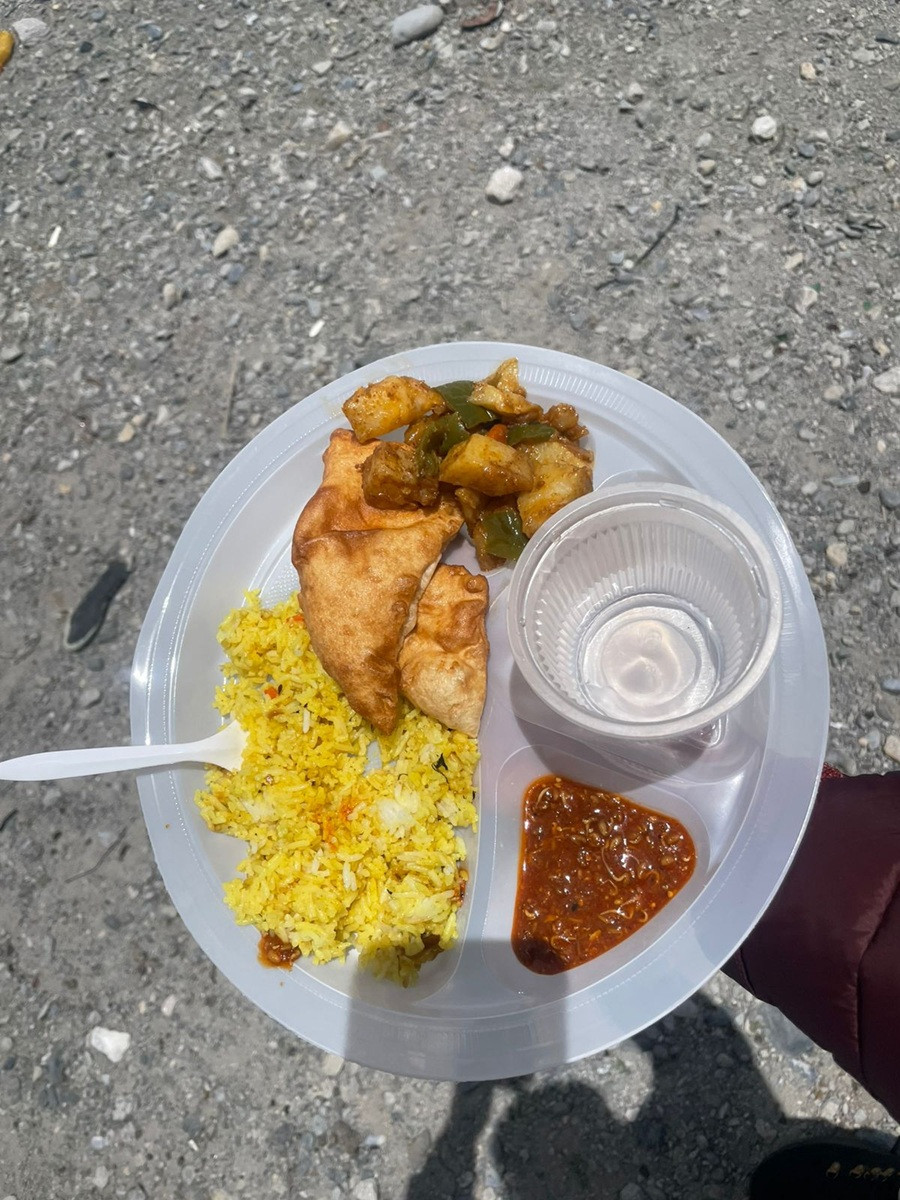
The food during the Pashupatinath and Kailash Mansarovar Yatra will be light, nourishing and high altitude meals. In Kathmandu, not only can you savor Nepali Indian and international as well as other varieties of cuisines like rice, lentil soup, vegetables (spinach/ mustard greens), green salad, and meat on top, but you also serve curries with light lentil-soup sauce.
As you continue to trek through Tibet, your meals consist mainly of Tibetan and Chinese foods, including vegetable stir-fries, fried rice, noodle soups, perhaps some dumplings or warm broth. The food is generally vegetarian, focused on generating power and easy digestion, which is crucial in the high altitudes because appetite and digestion can be altered.
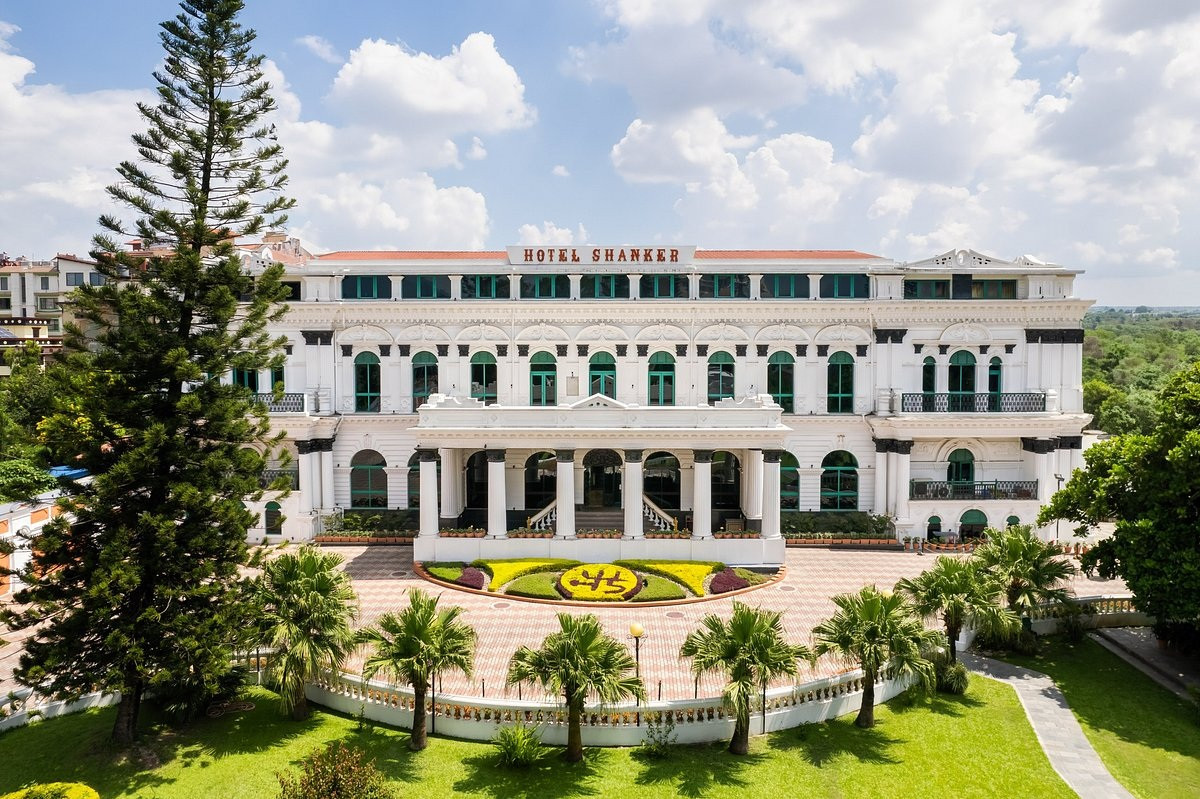
Hotel in Kathmandu Before Kailash yatra
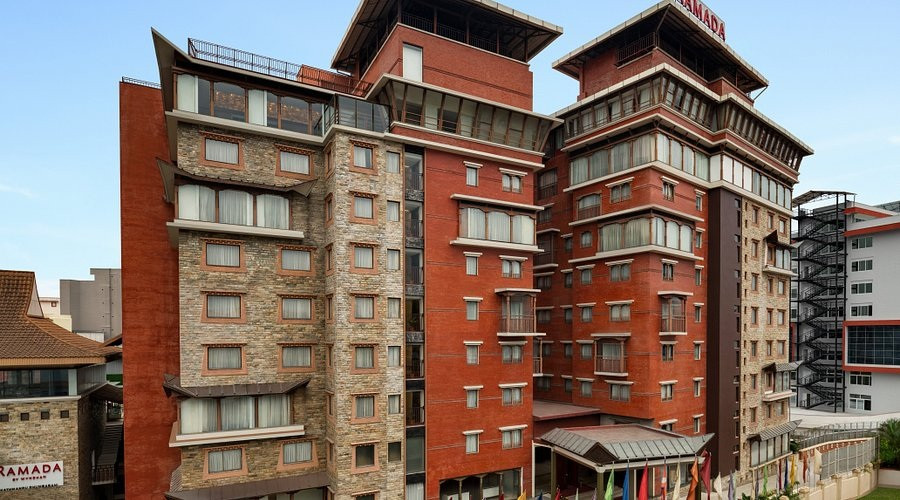
Hotel in Kathmandu Before Kailash yatra Helicopter
Accomodation facilities in the Kailash Mansarovar Yatra depend on the location and altitude. In bigger Tibetan towns like Nyalam, Saga and Darchen, pilgrims are accommodated in the facilities of these local hotels with twin or double-sharing available (for solo travelers).
These properties offer simple, comfortable accommodations with basic beds and blankets. These accommodations have a level of comfort that allows you to relax in the cold high altitude climate.
In places like Lake Mansarovar, Dirapuk & Zutulpuk, you will have simple guesthouses/lodges as accommodation. Here, pilgrims often sleep in shared dormitory-style rooms with others from the group.
Accommodations are basic, and bathrooms may be shared. Although rudimentary, they are more than adequate in an environment that is infrastructure-poor as a result of severe terrain and elevation.
Usually, luxury is unheard of in these far-flung Himalayan areas during trips like Kailash Yatra. There may be limited hot water, an unreliable electricity supply and rudimentary heating.
We highly recommend that you take a sleeping bag, which will add warmth at night and improve hygiene. In uncommon areas, for those looking for a bit more comfort, rooms can be arranged in better categories (with an extra cost) in some towns.
We are team of professionals who share a common devotion to the outdoors and are commited to world travel.
Mr. Pem Chhotar Sherpa was born in Solukhumbu. He lived in his village for 16 years and studied under a Lama called Tawa in local language. He used to work as a porter while in Solukhumbu. His maternal uncle has a trekking company and he w...

Originally from Manaslu, Gorkha, and with 23 years of experience, Mr. Chet Prasad Bhatta now serves as the Managing Director at Classic Vacations Nepal. He is a young, energetic, and dynamic leader in mountain tourism in N...

Originally from Khumjung- 3, Everest Region, Mr. Pema Chhosang Sherpa is our key climbing guide for major peaks in Everest region, including Island Peak, Lobuche Peak, Kyajo- Ri Peaks and other 7000er climbing in the region.
Mr. Pema is 15 + years...

|
Group |
Departure Date |
Return Date |
Duration |
Route |
Price per Person (USD) |
Max Capacity |
Status |
|
Group 1 |
April 15, 2026 |
April 29, 2026 |
15 Days |
Kathmandu-Overland |
$4,580 |
16 |
Open |
|
Group 2 |
May 5, 2026 |
May 19, 2026 |
15 Days |
Kathmandu-Overland |
$4,580 |
16 |
Open |
|
Group 3 |
May 20, 2026 |
June 3, 2026 |
15 Days |
Kathmandu-Overland |
$4,580 |
16 |
Open |
|
Group 4 |
June 10, 2026 |
June 24, 2026 |
15 Days |
Kathmandu-Overland |
$4,580 |
16 |
Open |
|
Group 5 |
June 25, 2026 |
July 9, 2026 |
15 Days |
Kathmandu-Overland |
$4,580 |
16 |
Open |
|
Group 6 |
July 15, 2026 |
July 29, 2026 |
15 Days |
Kathmandu-Overland |
$4,580 |
16 |
Open |
|
Group 7 |
August 1, 2026 |
August 15, 2026 |
15 Days |
Kathmandu-Overland |
$4,580 |
16 |
Open |
|
Group 8 |
August 20, 2026 |
September 3, 2026 |
15 Days |
Kathmandu-Overland |
$4,580 |
16 |
Open |
|
Group 9 |
September 10, 2026 |
September 24, 2026 |
15 Days |
Kathmandu-Overland |
$4,580 |
16 |
Open |
|
Group 10 |
September 25, 2026 |
October 9, 2026 |
15 Days |
Kathmandu-Overland |
$4,580 |
16 |
Open |
|
Group 11 |
October 15, 2026 |
October 29, 2026 |
15 Days |
Kathmandu-Overland |
$4,580 |
16 |
Open |
|
Group 12 |
November 1, 2026 |
November 15, 2026 |
15 Days |
Kathmandu-Overland |
$4,580 |
16 |
Open |
|
Group 13 |
November 20, 2026 |
December 4, 2026 |
15 Days |
Kathmandu-Overland |
$4,580 |
16 |
Open |
|
Group 14 |
December 10, 2026 |
December 24, 2026 |
15 Days |
Kathmandu-Overland |
$4,580 |
16 |
Open |
|
Group 15 |
January 5, 2027 |
January 19, 2027 |
15 Days |
Kathmandu-Overland |
$4,580 |
16 |
Open |
|
Group 16 |
January 25, 2027 |
February 8, 2027 |
15 Days |
Kathmandu-Overland |
$4,580 |
16 |
Open |
|
Group |
Departure Date |
Return Date |
Duration |
Route |
Price per Person (USD) |
Max Capacity |
Status |
|
Group 1 |
April 10, 2027 |
April 24, 2027 |
15 Days |
Kathmandu-Overland |
$4,580 |
16 |
Open |
|
Group 2 |
April 28, 2027 |
May 12, 2027 |
15 Days |
Kathmandu-Overland |
$4,580 |
16 |
Open |
|
Group 3 |
May 15, 2027 |
May 29, 2027 |
15 Days |
Kathmandu-Overland |
$4,580 |
16 |
Open |
|
Group 4 |
June 5, 2027 |
June 19, 2027 |
15 Days |
Kathmandu-Overland |
$4,580 |
16 |
Open |
|
Group 5 |
June 22, 2027 |
July 6, 2027 |
15 Days |
Kathmandu-Overland |
$4,580 |
16 |
Open |
|
Group 6 |
July 12, 2027 |
July 26, 2027 |
15 Days |
Kathmandu-Overland |
$4,580 |
16 |
Open |
|
Group 7 |
July 30, 2027 |
August 13, 2027 |
15 Days |
Kathmandu-Overland |
$4,580 |
16 |
Open |
|
Group 8 |
August 18, 2027 |
September 1, 2027 |
15 Days |
Kathmandu-Overland |
$4,580 |
16 |
Open |
|
Group 9 |
September 8, 2027 |
September 22, 2027 |
15 Days |
Kathmandu-Overland |
$4,580 |
16 |
Open |
|
Group 10 |
September 28, 2027 |
October 12, 2027 |
15 Days |
Kathmandu-Overland |
$4,580 |
16 |
Open |
|
Group 11 |
October 18, 2027 |
November 1, 2027 |
15 Days |
Kathmandu-Overland |
$4,580 |
16 |
Open |
|
Group 12 |
November 5, 2027 |
November 19, 2027 |
15 Days |
Kathmandu-Overland |
$4,580 |
16 |
Open |
|
Group 13 |
November 25, 2027 |
December 9, 2027 |
15 Days |
Kathmandu-Overland |
$4,580 |
16 |
Open |
|
Group 14 |
December 12, 2027 |
December 26, 2027 |
15 Days |
Kathmandu-Overland |
$4,580 |
16 |
Open |
|
Group 15 |
January 8, 2028 |
January 22, 2028 |
15 Days |
Kathmandu-Overland |
$4,580 |
16 |
Open |
|
Group 16 |
January 28, 2028 |
February 11, 2028 |
15 Days |
Kathmandu-Overland |
$4,580 |
16 |
Open |
Things to explore more..

One of the best times to go for the Pashupatinath and Kailash Yatra is the spring season. After a lengthy winter, temperatures warm up (up to 8°C in Kailash and up to 15°C), and it becomes suitable for trekking/parikrama physically. The snow begins to melt even on high passes, making trails easier (but still a challenge) with dramatic alpine views. The sky tends to be clearer, and you will have better views of Mount Kailash and the surrounding peaks. Kathmandu is also gloriously mild for visiting temples. In spring, stable conditions, blossoming scenery, and firmer trail conditions make for ideal physical and spiritual exploration at 8,000-15,000 feet.
Autumn is also one of the best times to go on the Pashupatinath darshan and Kailash Yatra. Clear blue skies, with clear visibility, offer the best views of Mount Kailash and Lake Mansarovar. Daytime temperatures are cool, 10°C to 18°C, providing comfortable trekking without the chill of extreme cold. Generally, trails are somewhat firmer following the monsoon scrub, with very little dust and small amounts of snow cover remaining. The air is clear, the visibility for photos and viewing the scenic wonders is excellent, and because of fewer weather challenges, September is very reliable for travel logistics and mountain trekking.
The winter and summer (off-season) periods are off-season periods to visit Pashupatinath along with Kailash Yatra due to harsh weather conditions and travel-related hazards. In the winter (mid-November to mid-May), very low temperatures, heavy snowfall, icy trails, and closed high passes make trekking and parikrama unsafe, with difficult travel and lodging conditions, and transport surcharges up to ten times higher than summer fares are levied. Monsoon falls in summer and takes over the capital with heavy rains, landslides, muddy roads, flight delays and shrinked mountains waving back from behind thick clouds. Logistical challenges are compounded by humidity and unstable conditions.
During the journey of Pashupatinath and Kailash Mansarovar Yatra, you will experience travel designed to be safe, comfortable and reliable on varied terrain. Within Kathmandu, travel to the Pashupatinath Temple and other sites of cultural interest can be made using private tourist vehicles on a hire basis, which ensures easy transfer in heavy traffic and offers schedule freedom.
For the road to the Kailash yatra, your transport will be by private comfort tourist vehicles, with hired drivers who are driving at high altitudes. These are the vehicles that will be chosen for their strength and the comfort they provide over long highway hauls and rocky mountain roads. Riding surfaces change as the route takes you deeper into isolated Tibetan areas, but rest stops and acclimatization breaks make your travel less grueling.
The transportation is arranged as part of the group pilgrimage logistics so that border crossings, permit checks and luggage are all managed. It is ushering in an organised transportation system which ensures that the yatris are not bogged down by the travel details and can concentrate more on their spiritual journey.
Safety is the major priority during the Pashupatinath and Kailash Mansarovar Yatra as it is at very high altitudes, rough terrain and highly unpredictable weather. Start with a complete physical examination before you start the journey, particularly if you suffer from pre-existing conditions such as heart or breathing problems.
The Kailash Yatra poses a fairly standard threat to travelers, known as Altitude Sickness or Acute Mountain Sickness (AMS), that occurs while on tour at altitudes above 3,000 meters, where the oxygen supply is lower than it typically is at sea-level. Symptoms can include headaches, feelings of nausea and dizziness, shortness of breath and fatigue.
The key to prevention is slow acclimatization, simply giving your body more time to adjust to thinner air at overnights like Saga and Mansarovar.
Remaining well-hydrated, drinking at least 3–4 liters of water per day, as well as avoiding alcohol and caffeine, helps in adjusting in high altitudes. In addition, small, carbohydrate-rich meals help meet fuel needs at altitude.
In some cases, trekkers also use recommend preventive medication, such as Acetazolamide (Diamox) to avoid altitude sickness. But this should only be taken under medical supervision. If more serious symptoms, such as extreme shortness of breath or loss of coordination ensue, it is crucial to descend right away to a lower elevation and seek medical attention.
Travel insurance is a must for visiting Pashupatinath and undertaking the Kailash Mansarovar Yatra, especially since the journey to this high-altitude, remote region. A good policy in this case would provide emergency medical evacuation (with preferably helicopter rescue), medical cover, repatriation and trip cancellation coverage to offer protection against those unexpected events.
While standard travel insurance packages may range from the tips of the earth to the heavens, high-altitude trekking or rescue is often not included. The policy must specifically cover elevations up to and over your highest altitude you are planning, and also consider the exorbitant costs of emergency evacuation should one become necessary without insurance. Bring a hard copy and soft copy (with you on your phone or tablet) of your policy, and make sure it covers the entire length of your tour.
For Kailash Mansarovar Yatra via Nepal, Indian nationals do not need any visa to enter the country; a traveling and valid photo identity card/ certificate like a passport or an electoral I.D is needed for entry. But tourists from other countries need a Nepal tourist visa in advance or upon arrival. Nepal Authorities in Nepal issue 15, 30 and 90-day visas at Tribhuvan International Airport in Kathmandu and at designated border crossings, based on the amount paid (whereas certain nationals apply for a visa before arrival).
For most passports: at least six months' validity, a passport-sized photo and visa fee paid upon arrival at immigration. For nationals of certain countries, visas must be obtained in advance, through a Nepalese embassy. If necessary, extensions can be obtained from Immigration Offices in Kathmandu or Pokhara.
Chinese Group Visa (Tibet Entry Visa)
Tibet Travel Permit (TTP)
The Tibet Travel Permit (TTP) is the most essential document to enter the Tibetan region and is mandatory for all foreign tourists entering Tibet on the Kailash Mansarovar Yatra. The TTP, issued by the Tibet Tourism Bureau (TTB), is the entry permit you need to pass through Tibet’s border checkpoints as well as to take a flight or train to Lhasa and travel inside the TAR. This permit has to be applied for by your tour operator and is not possible for an individual.
It contains your travel plans and personal data and is scrutinized at border crossings and by local officials across the trip. In the absence of the TTP, no entry to Tibet is permitted according to extant laws.
Alien’s Travel Permit (ATP)
Alien's Travel Permit (ATP) is needed to visit restricted areas outside lhasa including Saga, Darchen, Lake mansarovar and the Mount Kailash area. Introduced by the Tibetan Public Security Bureau (PSB), the ATP allows foreign nationals who wish to travel through certain sensitive and restricted areas of the TAR. Tour operators usually organize this permit after your arrival in Tibet and after completing other standard paperwork.
The ATP is checked by border officials and internal checkpoints along the route.
Military and Foreign Affairs Permits
Mount Kailash region, being close to the international border, lies under a restricted military zone. It therefore requires additional clearance, which includes a Military Permit and, in some cases Foreign Affairs Permit. Chinese military and foreign affairs offices issue the papers to guide travel in the highly sensitive border areas like Ngari Prefecture.
Pilgrims wishing to visit Mount Kailash, Lake Mansarovar and the border areas liberally need them. They need to be organized long before you hit the trail and are typically dealt with entirely by your tour operator, more often than not via Tibetan visa offices. Their entry will not be allowed.
Yes. You can see Mount Kailash with a guided pilgrimage from Nepal, entering the region of Tibet with the correct permits and an organized tour from Kathmandu or Pokhara that handles transport, long distances to cover on foot or animal back, accommodation and support for high altitudes.
Kailash is revered in Hinduism, Buddhism, Jainism and Bon (a Tibetan religion), and it is forbidden to climb it to this day for religious reasons.
Yes. Indian pilgrims can now go for the Kailash Yatra to Mount Kailash, believed to be the abode of Lord Shiva, in Tibet again. Still, they will have to follow certain rules and official advisories by the Indian Embassy in Beijing and other agencies.
No, and helicopters are not allowed to fly directly over Mount Kailash itself because of airspace restrictions and security regulations in the Tibet Autonomous Region; it is only once close to the mountain that you continue by land.
Satellite photos from NASA reveal Mount Kailash’s natural features and vegetation cover, allowing scientists to examine the shape of the mountain and the sources of rivers there. Still, there are no hints of excessive energy fields or scientific anomalies associated with spiritual narratives.
Yes. The Kailash Mansarovar Yatra is open and usually runs from May until September of every year, with organized group visa tours available for pilgrims during this season.
The yatra is relatively safe when organized by a good operator and with proper professional help for altitude acclimatisation and movement guidance from Kathmandu to Tibet.
Yes. It includes travel to high altitudes and long drives or trekking in rough terrain, where pilgrims require proper acclimatization to avoid altitude sickness and body exertion.
The Kailash Mansarovar Yatra is known for being a high altitude pass in Tibet, which holds significance among Hindu, Buddhist, Jain and Bon followers and includes trekking and passing through parikrama.
The toughest is typically the complete Parikrama (Kora) around Mount Kailash, including crossing of the high Dolma La Pass (5613m), due to extreme altitude and steep terrain.





 82 Reviews
  110 Reviews
  215 Trips Reviews