- 02, Dec 2025 |
- classicvacationsnepal.com

Bhutan Tour becomes easy to plan when people know the real cost of visiting this country as an Indian. The costs can seem confusing to some visitors, since Bhutan pursues tourism under a model that has no resemblance to that of any other tourism destination. The new rules, the Sustainable Development Fee (SDF), hotel costs, and travel logistics can be confusing for first-time travelers. Some overspend, others fail to estimate certain costs accurately, and encounter a rude awakening at some point during the visit.
This blog ends that confusion by providing an accurate, practical, and up-to-date estimate of the Bhutan tour cost for Indian citizens. The facts are based on current government regulations, rates of exchange, and typical foreign tourist spending behaviour of Indian outbound travelers. This is an attempt to provide a practical, all-round guide for prospective visitors, making it possible for them to plan well in advance and avoid wasting money, but rather get the full information they need on what to expect and where to stay, or how to move around.
Bhutan is known for its natural beauty, pristine environment, unique culture, and spirit of hospitality. Cities including Paro, Thimphu, and Punakha offer a mix of history, landscape, and modern comforts. Regardless of whether it’s a brief weekend escape or an in-depth cultural experience, the price depends on a range of factors – duration of the trip, accommodation options, mode of transportation, seasonal variations, and personal choice.
Each of those cost areas is detailed in this blog. Travellers can figure out what’s obligatory, what’s more pleasurable than set in stone, and what swamps the budget. It also contains frugal tips on how not to break the bank while keeping that comfort.
By the end of this guide, whether or not you have ever been there, any Indian traveler will know how to make a realistic budget for visiting Bhutan. The idea is to provide all information as transparent and comprehensible as possible, to minimize potential stress or organizational efforts on the tour of Bhutan, and to maximize pleasure. Despite widespread reports of its natural beauty and rich cultural values, the country is not that well explored by global tourists.
You should acquaint yourself with Bhutan's tourism pricing system before you plan your trip. Bhutan is an island of civilization in the modern world that strives to preserve its environment, support local people, and still maintain ancient cultural values.
This approach promotes conscientious travel and the well-being of its citizens by maintaining a levelled, unsullied nation that is ecologically sustainable. Indian users have their perks, but still, the conventional pricing model has many modules that one should be aware of.
A sustainable development fee that applies to all tourists visiting Bhutan. It assists in protecting the environment, preserving culture, developing infrastructure, and promoting community. The fee is part of Bhutan's "high value, low impact" tourism philosophy that governs crowding and protects natural resources.
SDF is charged per night throughout, and the total fee varies depending on how many nights you stay in the country. We all loved the hotel; it was unique, and everyone agreed that the visa tourism fee is a great idea: It's not really a tax if you think of it as their contribution to keeping Bhutan clean, organised, and pristine for its visitors. The SDF for foreign visitors is much higher than that paid by Indian tourists.
For Indian travelers, you need to pay a fixed SDF per person, which is calculated per night as per the latest government regulations. Children under the age of 5 get a full discount, but for others, the SDF applies regardless of the entry method, whether you are traveling by road or by flight via Paro Airport.
Travelers must pay the SDF during the permit process, or they can also pay in advance through registered travel agencies. For your information, the SDF is a separate fee that is apart from accommodation, sightseeing charges, transport, and any other fees.
The SDF does not cover any travel costs and services though it does grant permission to enter Bhutan. Here are some basic things you must know:
SDF includes:
Legal entry approval
Access to travel within Bhutan
National conservation and management services
SDF does NOT include:
Accommodation
Meals
Local transportation
Guide services
Entry tickets to monasteries, museums, and cultural sites
Trekking fees or special permits
Travellers must budget separately for these additional expenses.
Indian travelers have more privilege and flexibility in travel conditions compared to other international tourists. While foreign travelers must pre-book a package and follow strict regulations, which also comprises higher SDF, Indian tourists can benefit from the following:
No visa requirement
Easier entry process
Lower SDF
Freedom to choose hotels and transport independently
Option to travel without a tour package
These advantages allow Indian travellers to complete their trip at a lower cost.
Indian visitors must obtain an Entry Permit and a Route Permit to travel beyond Thimphu and Paro. These licenses need to be supported by a photo ID, including a passport, a voter ID, and a child ID document. Processing of permission requires SDF payment and identity proof.
Additional permits may also be required for controlled areas or ecologically sensitive regions. As these permits are relatively inexpensive, they involve planning in advance to avoid delays during the trip.
Travelers who have a clear idea about what all things can increase the cost throughout their journey are able to plan a tour of Bhutan more easily. Bhutan has a regulated level of tourism, which is aimed at sustainability. It also regulates the number of tourists that are able to visit in order to preserve the country’s pristine nature and its culture. Several elements of the cost structure are static, but others depend mainly on preferences and how you choose to travel.
Here are the key cost components that drive up the total costs for Indian travellers.
One of the biggest price factors is how long you take a tour. A standard Bhutan trip for Indians normally spans 4-10 days. The longer the trip, the more you will end up spending on hotel expenses, food bills, transportation fares, guide services costs, and also the entry fees and the Sustainable Development Fee (SDF).
Travelers constituting short 4–5-day trips around Thimphu and Paro tend to spend less, while those visiting Punakha, Phobjikha, Bumthang, or Eastern Bhutan, in turn, spend more as daily driving hours are long and the number of night halts at hotels is high.
Shorter options cut the daily budget, but may feel rushed. Longer trips can be accomplished at a leisurely pace but will boost total expense. Please take note of how long your trip would be, as it will depend on your budget and where you want to go.
Bhutan has two travel seasons, and both impact hotel rates, transportation demand (buses and flights), availability, etc.
The months of March-May and September-November witness the most foot traffic, as it is when visitors will experience nice weather conditions and clear mountain vistas. Prices in big cities are expensive , and transportation becomes pricier due to the demand.
December to February and June to August bring lower hotel prices, fewer visitors, and better deals on lodgings and cars in particular. But winter needs warm attire, and the monsoon needs extra weather compatibility.
The time of year can make a big difference in how much money you’ll need for your tour. Comfort-loving and weather-stable travelers often choose peak months, while the budget-conscious pick off-seasons for even greater savings.
Indian citizens don't need a visa, but the SDF needs to be paid, which changes the final price. The SDF rate now for Indian nationals is Rs 1,200 per head, per day. That’s a fee that goes toward Bhutan’s efforts in preserving its environment and the quality of its tourists.
Apart from SDF, some restricted areas like Bumthang and Eastern Bhutan also require special permits. These permits aren't expensive, but you might need a guide (and guides can be hired separately). Travellers should always check the permit requirements once they have decided on their itinerary.
Accommodation is varied in Bhutan, with budget hotels to luxury resorts for the traveler. The category you choose is a significant factor in the total cost of the trip.
Budget Hotels (3-star): Inexpensive, clean, and decent. This is what most Indians opt for.
Mid-Range hotels (3.5 to 4 star): Offer better facilities, attractive views, and good service.
Luxury Hotels (5-star and boutique resorts): Expect high-quality accommodations, a luxury level of service, and unique extra perks where you stay — spas, private hot tubs for soaking, or panoramic early morning views.
Hotel rates depend on season, location, and availability. Real estate in Paro, Thimphu, and Punakha is generally more expensive because they are the most visited areas.
During the Bhutan Tour, internal transportation also influences the overall tour cost. Here are the options travelers can choose between:
Private vehicles: Comfortable and convenient, but more expensive.
Shared vehicles: Budget-friendly, commonly used by solo travelers.
SUVs or Hiace buses: Needed for large groups, offering cost-sharing benefits.
Increases in fuel and driver costs are influenced by long distances between one tourist destination to another. Trips around Punakha, Phobjikha, Haa Valley, or Bumthang come with long drives, which eventually increases transportation budget.
Most sightseeing locations around Thimphu, Paro, and Punakha have free entrances, though a few cultural sites, museums, and festivals may have entrance fees. Boating and birdwatching on the lake, hot stone baths, and river rafting in summer are among other activities that cost extra.
Those who opt for the standard sightseeing package spend less, while those who prefer premium experiences spend more.
Three meals a day are included in the final cost of the tour. Regular restaurants in Bhutan serve inexpensive Indian and Bhutanese food, as well as continental meals. Those who look forward to fine dining or have dietary restrictions might spend more. Buffet-type meals in hotels are convenient but slightly more expensive than those outside restaurants.
Group size heavily influences the Bhutan Tour cost. Per-person transportation and guide costs decline with larger groups. Single travelers and couples usually pay more, as there is no one to split costs with. There is also an element of travel style to consider. Budget travelers take simple accommodations and shared transport, while comfort travelers spring for better rooms and exclusive experiences.
The Sustainable Development Fee (SDF) is one of the main cost components for Indians travelling to Bhutan. Bhutan’s policy of high-value, low-density tourism has helped it conserve nature, protect its cultural heritage, and control the pace of growth in what is classed as travel. For Indian citizens, the SDF is not as high as that for foreigners, but nonetheless is a significant part of the cost component. By knowing SDF rules, exemptions, methods of payment, and how it is factored into the overall budget, travelers can plan.
The SDF is a compulsory government levy aimed at promoting sustainable tourism in Bhutan. It ensures a clean environment, protects cultural heritage, assists in the development of communities, and is use to finance environmental protection. This fee is paid by every traveler, depending on the duration of stay within Bhutan.
For Indians, the SDF is substantially lower than for foreign nationals. This makes Bhutan one of the rare premium places around the globe where Indian passport holders have a substantial cost advantage.
According to the current tourism policy, the SDF for Indians is INR 1,200 per person per night.
All adults and children above a certain age group are charged this fee. Younger children are subject to other rules that decrease families’ financial responsibilities.
Bhutan offers a discount on SDF charges for young travelers. The child policy helps families travel comfortably without facing unnecessary expenses.
Children aged 0–5 years:
No SDF charges. They travel free.
Children aged 6–11 years:
50% of the SDF = INR 600 per night
Children aged 12 and above:
Full SDF = INR 1,200 per night
This structure makes Bhutan a family-friendly destination where parents can explore freely without heavy fees for younger children.
The Sustainable Development Fee has a direct impact on the overall Bhutan Tour for Indian Travelers. In simple terms, the total cost rises with trip duration. For example, a longer itinerary covering major tourist destinations like Punakha, Phobjikha, or Bumthang comes with more budget needs that other shorter itinerary.
Simple Calculation:
4-night trip:
SDF = 4 × 1,200 = INR 4,800 per person
6-night trip:
SDF = 6 × 1,200 = INR 7,200 per person
8-night trip:
SDF = 8 × 1,200 = INR 9,600 per person
This predictable structure helps travellers plan their budget clearly.
The SDF is an important part of Bhutan’s vision for the future. Bhutan treasures its managed tourism and would like to keep overcrowding at bay. The SDF supports several initiatives:
Bhutan has pristine forests, clean air, and low levels of carbon emissions. Natural resources. Money from SDF preserves these natural resources.
Monasteries and fortress-like dzongs, and festivals all need maintenance, community support, and prayers. SDF is involved in such cultural campaigns.
Residents benefit from better roads, healthcare assistance, and tourism-created infrastructure.
The SDF ensures Bhutan celebrates visitors who value its culture, environment, and heritage.
The SDF payment is collected during the Bhutan permit process. Indian travellers pay the fee:
At the Phuentsholing Permit Office when entering by road
At the Paro International Airport when entering by flight
Through a registered Bhutanese tour operator, who completes the permit and SDF formalities in advance
If you are on a Bhutan Trip, you must pay the SDF before getting entry permits. Without it, the system does not issue permits.
The validity of SDF applies for the number of nights you stay inside Bhutan’s boundary. So, you must plan your itinerary carefully because of the following reasons:
Extra nights require additional SDF
Early departure does not offer refunds
Adding new destinations within Bhutan may increase the total nights and therefore the total SDF amount
Clarity in planning helps avoid extra, unnecessary spending.
Travelers from India can grab the opportunity to visit all open tourist zones after getting the standard SDF. But to travel to some restricted regions, you might need some additional permits. These regions include:
Punakha and Wangdue
Phobjikha Valley
Bumthang (Jakar, Tang, Ura, Chumey)
Haa Valley
Eastern Bhutan districts
These permits are also a slight factor to add major costs to the overall Bhutan Tour.
Travellers can manage SDF costs through smart planning:
Choose an itinerary that spans 5 or 6 days, hitting highlights without superfluous nights
Avoid swapping party plans at the last minute to keep your total nights down
Travel in off-season months when less expensive hotels and transport are cheaper to help your dollar go further.
Opt for shorter routes such as Thimphu, Paro, Punakha circuits, not long-haul ones.
A well-organized schedule contributes to managing SDF while continuing your exposure to the rich cultural and natural features of such destinations.
Many travelers think that Bhutan is expensive because of the SDF. In truth, the fee is transparent, predictable, and manageable, with no hidden charges. Understanding the SDF also helps travellers construct appropriate budgets, avoid misunderstandings at border offices, and select an optimal length itinerary.
The SDF ensures that a well-organized Bhutan trip remains reasonable to families, couples, and group tourists with prior consideration of the same during preparation.
Getting to Bhutan from India, for an Indian citizen, is relatively easier than for travelers from other countries. Indians do not need a visa, but must obtain a proper entry permit (and a route permit in some cases) to travel in Bhutan beyond the border towns. This document outlines who is eligible, what documents are required, and how to apply or reapply for a permit, validity, and special procedural notes.
Indian nationals do not require a visa to travel to Bhutan.
An entry document is all that is needed for travel as long as other documents remain valid.
For road entry, checkpoints in the country, like Phuentsholing, Gelephu, Samtse, or Samdrup Jongkhar (or other designated exit and entry border posts), have an immigration office that issues an Entry Permit.
For air arrival, the permit is issued at the point of entry (e.g., Paro International Airport).
Valid travel documents must be held by travellers when applying for the permit. Acceptable identification includes:
Original Indian Passport having validity of at least 6 months beyond the date of departure and stamped with a valid Bhutan Visa.
Original Voter Identity Card issued by the Election Commission of India (with latest photo).
Two recent passport-sized photographs.
For children (those under 18 years old) without a Passport or Voter ID: original Birth Certificate in English or school ID and birth certificate.
Additionally, when applying:
You must also have a confirmed receipt of hotel booking in Bhutan for at least one night.
Occasionally, the only requirement is a “self-undertaking” letter with emergency contacts, for solo travellers.
If any vehicle is coming into Bhutan (Indian-registered private vehicle), additional vehicle documentation is required — but that's under transport rules, not simply an entry permit.
For land entry from India: Apply in the immigration office of the border town (e.g., for the most common route, Phuentsholing on–India-Bhutan border), walking through the pedestrian/immigration terminal.
For air arrival: A permit is issued on arrival, for e.g., at Paro International Airport.
For stays longer than the main zones (Thimphu, Paro, Phuentsholing) or travel beyond them: once entering the country, a Route Permit (also special area permit) should be obtained from an immigration office (usually in Thimphu), on a work day.
Immigration offices remain closed on weekends or public holidays, so plan arrival accordingly to avoid delays.
Submit photocopies of valid ID (Passport or Voter ID) or the child’s birth certificate (when applicable), with passport-sized photographs.
Fill up the Visa/ Entry Permit application form obtainable free of charge at any Chinese Diplomatic and Consular Mission or on pre-arrival here.
Submit a letter of confirmation of hotel reservation for the first night's stay.
Submit the prescribed fees (eg, Sustainable Development Fee as applicable).
For places other than the main town: After arrival at Thimphu (or first reporting place), obtain the Route Permit. Submit a copy of the old permit, itinerary, and relevant ID.
If a visa is applied for online, they may process it quicker if you mail/fax clear scanned copies. But only Original Documents are required at the immigration counter.
If a permit is applied online via the official immigration portal, sending clear scanned docs may speed up the process. However, original documents need to be presented at immigration counter.
The standard Entry Permit grants access to a few areas: primarily Paro, Thimphu , and the border areas.
For travel to areas beyond these zones, one must acquire a Route Permit from the Immigration Office in Thimphu.
Extensions might be allowed depending on justification and processing business days. Extensions could involve the submission afresh at the Thimphu immigration office.
The Entry Permit and Route Permit should be used when travelling in the Bhutan Sector. Checks may take place at checkpoints, particularly if entering protected or restricted areas.
Entry Permit itself does not charge a fixed “visa-type fee” for Indian tourists (approval is, however, subject to payment of Sustainable Development Fee (SDF) – now INR 1,200 per adult person per night for Indian nationals).
Half SDF per night is charged for children of 6 to 12, and sometimes children younger than 5 are free.
SDF must be paid at the time of permit issuance – either at the border immigration office or through a registered tour operator if the permit is pre-arranged.
No additional “visa fee” is payable by Indian nationals. And the permit fee is virtually equivalent to what the SDF charge would be, irrespective of how one were to enter.
As of recently, travelling insurance is no longer mandatory for people holding Indian citizenship entering Bhutan; however, it is still advised to cover yourself in case of emergencies and medical problems, or cancellations.
For solo travellers or minors: relevant identity documents, correct birth certificates (if applicable), and sometimes just a simple “undertaking letter” at immigration may be asked for – it all helps in the smooth processing.
If visiting by road (especially Indian registered private vehicles), then the exact additional vehicle-related document and green-tax or vehicle permit are to be available.
No visa required — easier, faster, and less expensive.
Option to arrive in Kathmandu by road or air, as per preference, time, and budget.
Minimal documents (Passport or Voter ID, photographs, perhaps a birth certificate for minors).
Freedom to stay at various categories of accommodation; the permit does not oblige fixed package tours.
Option of changing itinerary, extending the stay, or applying for another route/permit if needed.
These factors make Bhutan relatively accessible for Indian travellers, especially compared to stricter visa regimes in other countries.
Original documents should always be carried — photocopies, Aadhar cards, PAN, etc., are not an entry ticket. Passport or Voter ID (Birth Certificate for minors).
Border entry Offices may be closed on weekends and holidays. So, we recommend you to arrive early.
Book a hotel for the first few nights (but don’t buy flight tickets) before the permit application, as an unconfirmed stay can cause delays in the processing of your permit.
Beyond the main roads, route permits are to be organised AFTER arrival — ideally in Thimphu as soon after entry as possible. Do not request on a weekend or public holiday.
Carry a print or digital copy of the travel itinerary and permit info; checkpoints want to see the permit + ID.
To understand the overall Bhutan Tour costs, travelers must do a detailed breakdown of the major expense categories. The main sectors affecting overall cost are lodgings, food, travel, recreation and other costs of living.
Accommodation is the biggest cost factor to travel to Bhutan. From budget guesthouses to luxury resorts, there is a variety of accommodation options in Bhutan. The type of accommodation is one of the most determining factors regarding the total price you will pay for your trip.
The best places to stay are the budget hotels, with clean rooms, everything you need (hot water, wifi), and stripped-down furniture. They generally charge:
INR 1,500–2,500 per night for double occupancy
INR 750–1,250 per night per person (if sharing rooms)
Budget accommodation is perfect for solos, small families, or groups of friends who do not wish to sacrifice basic comfort.
Mid-range hotels are more comfortable and offer views over the scenery, in-house restaurants, and modern facilities. Prices typically range:
INR 3,000–5,500 per night for double occupancy
INR 1,500–2,750 per person per night
For those who need it, this option is comfortable and affordable. They typically offer a room rate that includes breakfast, which will save you the cost of extra meals every day.
Luxury and boutique hotels provide a range of facilities, including spa services, hot stone baths, private guides, as well as exclusive valley viewing. Typical rates include:
INR 7,000–15,000 per night for double occupancy
INR 3,500–7,500 per person per night
Luxury lodging is best for couples and high-budget tourists who want somewhere comfortable and private in a beautiful place.
Factors affecting accommodation cost:
Location: Hotels in Thimphu, Paro, or even Punakha and Phobjikha are popular and cost more.
Season: Room rates are higher during peak tourist seasons (March–May, September–November).
Group size: The more people you share your room with, the lower your cost per person; double occupancy and single occupancy are the only options available.
Food is another significant factor that influences the budget in Bhutan. You can find several dining options that range from small local restaurants to hotels. And most of the Bhutanese dishes are affordable and cater to Indian tastes, so there is no room that we see you should compromise.
Typical Indian meal: INR 150–300 per person
Bhutanese meal (Ema Datshi, Red Rice): INR 120–250 per person
Snacks, tea, and beverages: INR 50–150 per item
You can find affordable dining in local restaurants as well which meets your expectations. The dishes here do not compromise any quality in taste.
In mid-range restaurants and hotels, breakfasts are often added in your room fee. Here, the lunch and dinner cost varies:
Mid-range: INR 300–600 per person per meal
Luxury hotels: INR 600–1,500 per person per meal
Staying in hotels that provide breakfast takes away the expense of at least one meal per day. For balance, travelers can also bring together hotel meals with street-side or local restaurant meals.
Vegetarian, vegan or special dietary needs may be a little extra costly. Bringing snacks or grab-and-go items while on the go during day trips helps keep costs down.
Transportation options during the Bhutan Tour includes private or shared vehicles, internal flights (optional), and airport transfers. Out of these, road transport is the most practical option for Indian travelers.
If you want flexibility and convenience, hiring private vehicles can be the best option. Cost of hiring private vehicles include:
Fuel charges
Driver allowance
Toll or parking fees
Vehicle rental fee
Approximate rates for private vehicles:
Sedan: INR 2,500–3,500 per day (up to 4 passengers)
SUV: INR 3,500–5,500 per day (up to 6 passengers)
Hiace van: INR 6,000–10,000 per day (up to 12 passengers)
Hiring private vehicles is best for families or small groups, who seek comfort and schedule flexibility.
Shared vehicles option includes buses or Hiace vans which can transport multiple travelers. Since the rate depends on group size and distance, it reduces per-person transportation costs.
INR 700–1,500 per person per day
Long-distance trips (e.g., Thimphu–Bumthang): INR 3,000–5,000 per person
Internal flights are optional during your Bhutan Tour but some itineraries require it. It saves time for long distance travel around Paro and Bumthang.
Typical rates for internal flights:
INR 5,000–7,000 per person one way
Bhutan is rich in cultural and natural attractions and it comes with small entry fees. Typical costs for these entry fees include:
Monasteries, dzongs, museums: INR 50–200 per site
Festivals: INR 500–1,500 per person (ticket may be required)
Cultural shows or archery sessions: INR 300–1,000 per activity
Guided tours: INR 1,500–3,000 per day
Daily expenses such as cost for bottled water, tea, snacks, tips, etc also adds up to the overall travel budget. Approximate daily costs:
Snacks and beverages: INR 200–400 per person
Tips for guides or drivers: INR 100–200 per day per person
Souvenirs: INR 500–2,000 depending on purchase
You can cater daily expenses by carrying necessary items yourself, choosing local eateries, and planning your cost per activities.
If you are traveling to Bhutan from India, your trip can be highly impacted by the time you choose to travel. It includes costs, weather, sightseeing opportunities, and of course the overall travel experience. Considering four different seasons in Bhutan, Spring and Autumn are the best times to travel.
But if you are looking into more budget-friendly plans, traveling in off-seasons like monsoon and winter can be the best option. However, we recommend you plan your journey very carefully during these seasons.
Spring is considered as the best time to visit Bhutan where the weather remains pleasant with moderate temperatures. Travelers can witness the beautiful sceneries around with clear skies and blooming rhododendrons.
Similarly, major destinations like Paro, Thimphu, and Punakha are at their best during this timeframe. But it is necessary to know that traveling during the peak time is quite costlier. Here are the things you should consider before traveling to Bhutan during the Spring Season:
Hotels and resorts raise rates by 20–40% due to high demand.
Private vehicle rentals and guides are in higher demand, increasing transport costs.
Festival tickets for events like Paro Tsechu or Punakha Dromchoe may have additional fees.
Comfortable weather for sightseeing and trekking.
Ideal for nature and photography enthusiasts.
Cultural festivals provide authentic experiences.
Advance bookings for accommodation and transport are essential.
Travelers may encounter crowds at popular attractions.
Autumn is another best time for visiting Bhutan. This season starts right after the end of monsoon, where skies are clear and the views of the Himalayan peaks are at their best. Moreover, Bhutan brings many cultural festivals during this timeframe, allowing travelers to immerse into Bhutanese culture and tradition.
Hotel rates remain high, similar to the spring season.
Transport charges may be slightly higher due to demand.
Peak-season packages can cost 20–30% more than off-season equivalents.
Crisp weather ideal for trekking, sightseeing, and photography.
Festivals provide an immersive cultural experience.
Lower humidity and clear skies enhance comfort.
Limited availability in popular hotels and resorts.
Larger crowds during festival periods.
When planning a trip to Bhutan, you should first know about important factors determining the costs, like the Sustainable Development Fee (SDF), entry permits, accommodation, food, transportation, and seasonal differences. Indian travelers have easy access, minimum SDF charges, and freedom to fly.
Prices are based on travel style, group size, itinerary length, and season. Travelers can control the cost at their level through shared cabs, street foods, and off-season visits to this destination, while high-end travelers have more options of relaxing in comfort, along with many luxury services and guided tours. Convenient packages help you plan and include permits, transportation, lodging, and sightseeing.
Cost management is crucial. Spring and autumn are high times when the weather is nice for festivals but the price goes up; winter and monsoon months bring lower rates for accommodation and transport, so these trips become budget.
But if you understand these components of costs and plan accordingly, Indian travelers can not only enjoy Bhutan’s rich culture and scenic beauty but also a well-developed tourism infrastructure without any unpleasant monetary surprises. This ensures a smooth, enjoyable and memorable Bhutan tour to suit all palates!
According to NASA's official description of a satellite image showing Mount Kailash, "it is a mountain of the Kailash range in Tibet." This shows the clearest direct utteran...
Get to Bhutan in 2025 or 2026 from India with ease. This blog explains all available travel options, including flights, trains, cars, and buses, and offers helpful tips, important routes, and entry...

Classic Vacations Nepal is a Travel & Tour Company based in Kathmandu, Nepal run by a team of young and energetic travel guides experienced in adventure travel from 22 years. Classic...

Fam trips in Nepal are special tours for travel agents and bloggers. They visit famous places like Kathmandu, Pokhara, and Everest Base Camp. These trips show Nepal’s culture, nature, and adv...
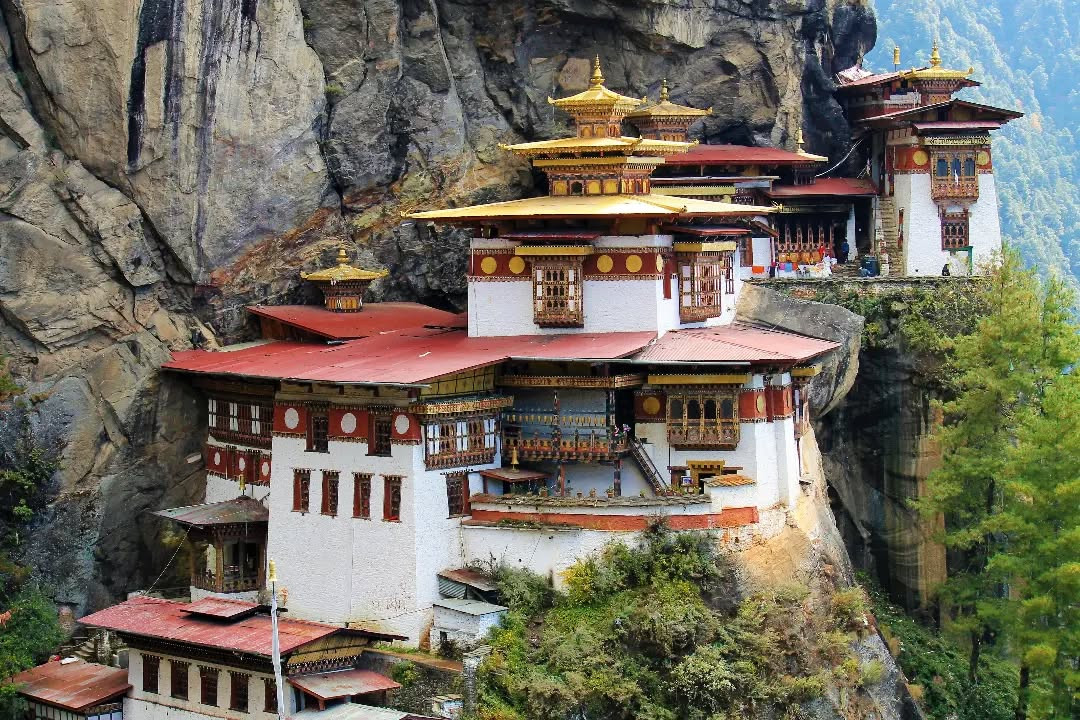
Experience the iconic Tiger's Nest Monastery hike in Bhutan. Learn about its 6.4 km round-trip distance, moderate difficulty, scenic views, and tips to complete the trek smoothly in 2025.
Pilgrims can choose to undertake the Kailash Mansarovar Yatra 2026 through two routes-the route that is managed by the Government of India, and packages provided by tour operators. The fo...

Explore the 10 World Heritage Sites of Nepal listed in UNESCO, full of culture and history. Plan your visit to these amazing landmarks today!
How many Kailash Mountains are there in the world? Discover the truth about Mount Kailash, its location, spiritual importance, and common misconceptions.
Can US citizens Go To the Kailash Yatra? Learn the latest visa requirements, Tibet permits, travel routes, costs, and expert tips for a hassle-free Kailash Yatra.