- 08, May 2026 |
- classicvacationsnepal.com

Mount Kailash and Lake Mansarovar are some of the most respected places of worship by the people of India. According to believers of all faiths, they are sacred places for attaining spiritual salvation or spiritual deliverance through the divine gift of God.
The entire trip to Mount Kailash and Lake Mansarovar is known as the Kailash Mansarovar Yatra and is considered an important event in Hinduism, Buddhism, Jains, and Bon. Mount Kailash is considered to be the place where Lord Shiva resides forever.
The Kailash Mansarovar Yatra is run by the government, specifically by the Ministry of External Affairs, and the booking for the entire trip is done through an online lottery, from June through August each year. Yatras can be conducted through both Lipulekh Pass (Uttarakhand) and Natu La Pass (Sikkim).
In addition, many pilgrims prefer to go through Nepal to enter Tibet for their pilgrimage to Lake Mansarovar and Mt. Kailash instead of through government routes, as it is a privately operated route that allows for more direct and quicker access from Kathmandu and Gyirong into Tibet, allowing for travel by either helicopter and/or by overland means.
Many people prefer this route despite their fee and permit requirements, as it offers more flexible travel options. Regardless of whether you choose to travel via the Government of India or via Nepal, the Kailash Mansarovar Yatra is an incredible journey.
It's demanding physically and spiritually. The physical aspect tests you for all of your endurance. But it's also filled with once-in-a-lifetime experiences. You'll carry it with you long after you return home.
Kailash Mansarovar Yatra 2026, Kailash Mansarovar Yatra for Indian Citizens, Mount Kailash Tour, Mansarovar Lake Pilgrimage, Tibet Travel Permit for Indians, MEA Kailash Yatra Registration 2026, Kailash Mansarovar Yatra via Nepal, Kailash Yatra Helicopter Package Cost, Mount Kailash Parikrama Guide, Kailash Mansarovar Yatra Eligibility for Indians, Private Tours to Mount Kailash from Kathmandu
Mount Kailash and Lake Mansarovar are some of the most respected places of worship by the people of India. According to believers of all faiths, they are sacred places for attaining spiritual salvation or spiritual deliverance through the divine gift of God. The entire trip to Mount Kailash and Lake Mansarovar is known as the Kailash Mansarovar Yatra and is considered an important event in Hinduism, Buddhism, Jains, and Bon. Mount Kailash is considered to be the place where Lord Shiva resides forever.
The Kailash Mansarovar Yatra is run by the government, specifically by the Ministry of External Affairs, and the booking for the entire trip is done through an online lottery, from June through August each year. Yatras can be conducted through both Lipulekh Pass (Uttarakhand) and Natu La Pass (Sikkim).
In addition, many pilgrims prefer to go through Nepal to enter Tibet for their pilgrimage to Lake Mansarovar and Mt. Kailash instead of through government routes, as it is a privately operated route that allows for more direct and quicker access from Kathmandu and Gyirong into Tibet, allowing for travel by either helicopter and/or by overland means.
Many people prefer this route despite their fee and permit requirements, as it offers more flexible travel options. Regardless of whether you choose to travel via the Government of India or via Nepal, the Kailash Mansarovar Yatra is an incredible journey. It's demanding physically and spiritually. The physical aspect tests you for all of your endurance. But it's also filled with once-in-a-lifetime experiences. You'll carry it with you long after you return home.
In 2026, the Kailash Mansarovar Yatra will be held again after recently being resumed, and is considered one of the most important pilgrimage seasons in India. This Yatra is organized by the Indian Ministry of External Affairs and runs from June to August. The Yatra has limited available seating, and a lottery system governs how people are able to travel through the Lipulekh Pass and Nathu La Pass.
2026 will be a very exciting year for pilgrims from India, as this will be the first time they will have access to travel after such a long time. Therefore, there is a very high demand for all of the travel that will occur during this Yatra. Many pilgrims are also taking advantage of the quicker route through Nepal (via Kathmandu), where they can fly in and then either use helicopters or drive to their destination.
The Kailash Mansarovar Yatra is a journey to Mount Kailash (the home of Lord Shiva) and to take a holy dip in Lake Mansarovar, and as a result of completing the 52-kilometer parikrama.
|
Quick Facts |
Details |
|
Yatra Season |
June to August 2026 |
|
Organized By |
Ministry of External Affairs Government of India |
|
Routes |
Lipulekh Pass and Nathu La Pass |
|
Nepal Route |
Kathmandu to Gyirong to Tibet |
|
Eligibility |
Indian citizens aged 18 to 70 |
|
Key Highlights |
Mount Kailash darshan, Mansarovar snan, Kailash parikrama |
|
Difficulty Level |
High altitude and physically demanding |
For the Indian pilgrims who wish to take part in the Kailash Mansarovar Yatra (KMY), they can look forward to a successful experience with options to travel via either the government (India) route or the Nepal route. Official announcements from the (Indian) government regarding KMY will be published as the 2027 date approaches, but they are expected to continue with limited batch numbers and strict eligibility requirements similar to past years.
The KMT is expected to see an increased number of Indian pilgrims travelling to Mount Kailash during 2027 as a result of improved infrastructure and more awareness of this pilgrimage. The Nepal route will likely remain the primary choice for those wishing to perform the KMT in shorter durations with flexible itineraries. Those wishing to travel from Kathmandu into Tibet via Kerung currently have multiple departures from private operators between April and September available for Indian passport holders. And there's strong demand. So don't wait too long to book.
The KMT is still a spiritually enriching journey, which enhances the transformation of one's spirit when travelling to Mount Kailash and Lake Mansarovar. This pilgrimage requires both physical fitness and perseverance of mind. It'll ask everything of you. But it'll give back even more.
|
Quick Facts |
Details |
|
Expected Season |
May to September 2027 |
|
Organized By |
MEA Government and private Nepal operators |
|
Routes |
Government routes plus Nepal route |
|
Nepal Route |
Kathmandu based entry to Tibet |
|
Duration |
9 to 15 days depending on route |
|
Spiritual Activities |
Mansarovar rituals and Kailash parikrama |
|
Demand Trend |
Increasing among Indian pilgrims |
In 2028, the Kailash Mansarovar Yatra will provide Indian pilgrims with a better-established trip plan, with an easier overall process for all pilgrims and a growth in the number of travelers, as well as improved travel infrastructure. There will be improved efficiency from both the Government and Nepal-Based Tour Operators for the pilgrimage and more tour options for the actual pilgrimage routes.
Given the limited number of government offerings on the Yatra and the growth in favorability of the non-government routes, individuals planning on completing the Yatra in 2028 should prepare well in advance. The traditional government routes will continue to be the most authentic and cost-controlled options, but the most commonly used yatra route will be the Nepal route, which is more convenient.
The spiritual experience of the pilgrim will remain the same. It's the experience of visiting Mount Kailash at 6,638 meters and Lake Mansarovar at 4,590 meters, performing their religious rituals and finishing their sacred parikrama or circumambulation. All of which are thought to provide spiritual liberation and peace of mind. At that altitude, with that history beneath your feet, you'll feel it in ways words can't quite capture.
|
Quick Facts |
Details |
|
Expected Season |
May to August 2028 |
|
Organized By |
Government of India and private operators |
|
Routes |
Lipulekh Nathu La and Nepal route |
|
Popular Choice |
Nepal route for faster travel |
|
Altitude |
Mount Kailash 6638 m Mansarovar 4590 m |
|
Key Ritual |
Kailash parikrama 52 km |
|
Preparation |
Advance booking and medical fitness required |
For 2026, the Kailash Mansarovar Yatra will again become available for citizens of India after some years of being closed due to geopolitical reasons, along with the effects of COVID-19 on world tourism.
The pilgrimage will operate during the traditional three-month period from June to August 2026, as that time of year generally provides suitable weather conditions (opportunity) for the pilgrimage.
Participants may travel on government-approved paths via Lipulekh Pass or Nathu La Pass. The Yatra can also be accessed through the Nepalese Sanctuary, where private tour operators operate tours at a fee, but only if appropriate permits and visas are obtained.
After many delays, the Kailash Mansarovar Yatra was restarted in 2025 and is continuing this year (2026) with positive expectations that the Yatra will now be conducted on an annual basis moving forward if stable diplomatic relations exist among the three countries; India, China and Nepal.
Thus, Indian citizens can legally undertake the Kailash Mansarovar Yatra in 2026, and it is anticipated that they can participate in this pilgrimage every year from May-June through to August, moving forward, depending upon official government announcements and international coordination.
A lot of people search for Mount Kailash or think that Mount Kailash and Lake Mansarovar are somewhere located within India. But they're not located within India's borders. Both are in Tibet. And within Tibet, you'll find them in the part known as the Tibet Autonomous Region of China.
Although Indian spirituality and the Hindu religion have a very strong connection to Mount Kailash, from a geographical perspective, Mount Kailash and Lake Mansarovar both lie outside of India's borders. So the only way that pilgrims from India can get to this holy shrine is by procuring special permission in addition to a visa and passage via either the Government of India or the Government of Nepal. It's a journey that requires planning. But for those who make it, it's worth every step of the process.
Mt. Kailash is located on the western part of Tibet, south of Mount Everest, and to the southeast of the mountain peak, in the Trans-Himalayan Mountains, serving as a source of the Indus, Brahmaputra, and Sutlej Rivers. Mount Kailash and Lake Mansarovar have been said to have geographical proximity (or adjacency), and the latter has been cited to be one of the world’s highest lakes and a freshwater lake.
|
Feature |
Details |
|
Country |
China |
|
Region |
Tibet Autonomous Region |
|
Specific Area |
Ngari Prefecture (Western Tibet) |
|
Nearby Countries |
India Nepal |
|
Nearest Border to India |
Around 100 km from Indian border |
|
Mountain Height |
6638 meters |
|
Lake Altitude |
About 4588 meters |
|
Nearby Lake |
Lake Mansarovar |
|
Mountain Range |
Kailash Range Trans Himalaya |
Several people think that the Kailash Mansarovar is located in the Country of India because of their strong connection through Indian culture and Hinduism. Devotees of Hinduism believe that Lord Shiva resides atop Mount Kailash, making it one of the holiest places in the world to all Hindus, especially in India.
Kailash Mansarovar is located within China; however, it has a historical and spiritual aspect/feeling towards it being part of India due to political and geographical conflict.
Although many people conduct searches for “Mount Kailash is in India”, this is a misconception. Mount Kailash is located in Tibet; it is still part of China. So, naturally, this brings up the question of whether or not there are any sacred sites associated with Mount Kailash that are found in India?
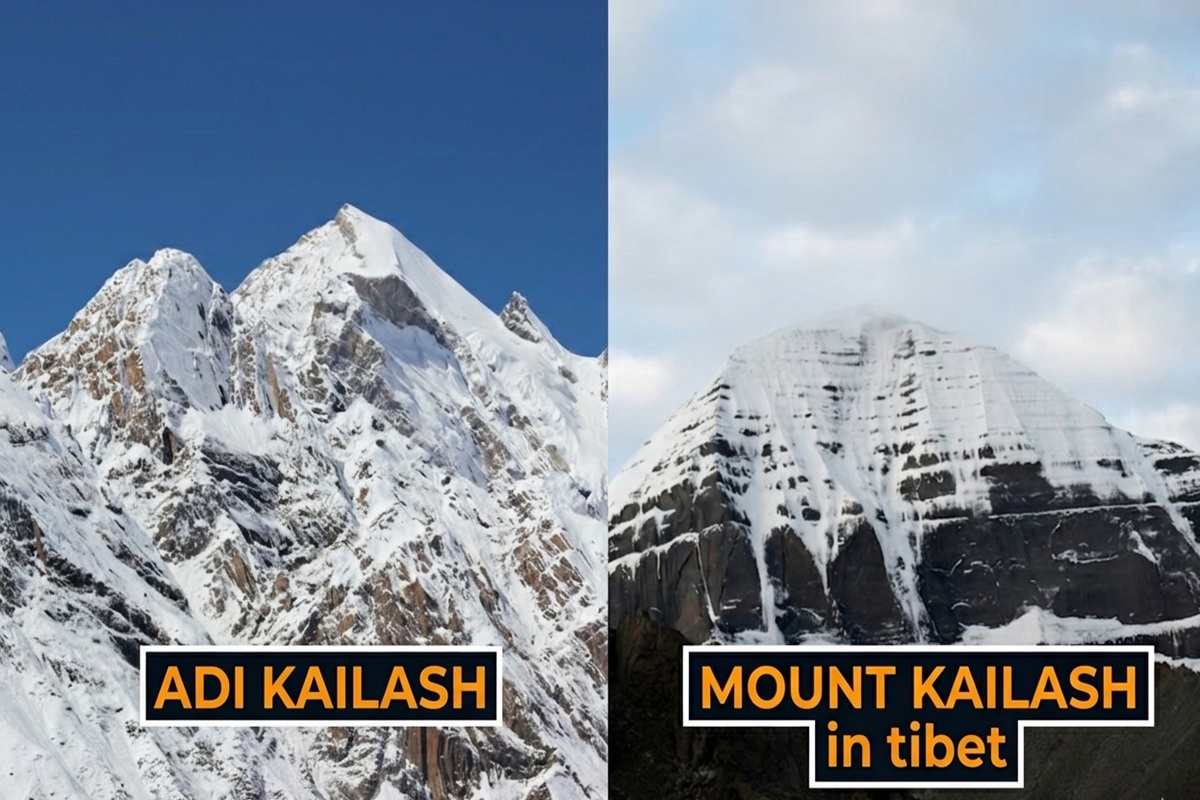
The most important counterpart to Mount Kailash in India is Adi Kailash, which is located in the state of Uttarakhand. Adi Kailash is often referred to as “Chhota Kailash” and is seen by many to be a spiritual representation of Mount Kailash. Adi Kailash is also associated by many of its devotees with the presence of Lord Shiva, making it a major pilgrim destination in India.
There are many Shiva temples throughout India which reflect the spiritual energy of Mount Kailash. Plus there are many mountains in the Himalayas and other sacred mountain shrines in India that can represent the spiritual energy of Mount Kailash. For example, in addition to the Adi Kailash in Uttarakhand, other sacred sites associated with Mount Kailash can also be found in Uttarakhand and Himachal Pradesh. And at Ellora's Kailasa Temple, you'll find the divine energy of Mount Kailash represented symbolically. Each of these sites carries its own quiet power. But for many devotees, nothing compares to standing before the real thing.
Therefore, although Mt. Kailash is not present within the territory of India, there are numerous sacred locations related to Mt. Kailash in India, and they ensure the continued spiritual bond between Adi Kailash and Mt. Kailash.
A common myth amongst many Indian pilgrims is that Adi Kailash is the same as Mount Kailash and therefore represents the same sacred mountain. However, this misconception arises from the fact that both Mount Kailash and Adi Kailash are holy (i.e., related to Lord Shiva); however, they are independent mountains that exist in different parts of the world.
The original and true sacred mountain Power (Kailash) is Mount Kailash; the second sacred mountain is Adi Kailash ('Chote Kailash'), being described as its earthly replica in India.
Both of these locations are popular pilgrimage destinations for the devout in search of blessings from Lord Shiva and are interrelated through common religious pilgrimage opportunities; however, they have vastly different religious significance, altitude and geographic difference.
|
Feature |
Mount Kailash |
Adi Kailash |
|
Location |
Tibet Autonomous Region, China |
Uttarakhand, India (Pithoragarh district) |
|
Altitude |
6,638 meters |
Around 5,945 meters |
|
Also Known As |
Kailash, Gang Rinpoche |
Chhota Kailash |
|
Religious Importance |
Abode of Lord Shiva, cosmic axis in Hinduism, Buddhism, Jainism |
Spiritual replica of Kailash in India |
|
Lake Nearby |
Lake Mansarovar (China) |
Parvati Sarovar (India) |
|
Parikrama |
52 km sacred kora around mountain |
Short trek and darshan at base |
|
Accessibility |
Difficult, permits required via India China routes or Nepal |
Easier access via Uttarakhand road route |
|
Pilgrimage Type |
International high-altitude yatra |
Domestic Himalayan pilgrimage |
|
Category |
Requirement |
Condition Type |
Important Notes |
Authority / Control |
|
Nationality |
Must be an Indian citizen with valid passport |
Mandatory |
Passport validity minimum 6 months required |
Government of India (MEA) |
|
Age Limit |
Generally 12 to 70 years |
Strict eligibility |
Above 70 allowed only in rare cases with conditions |
Indian & Chinese authorities |
|
Health Condition |
Must be physically fit |
Mandatory |
High altitude fitness is essential |
Medical board approval |
|
Medical Clearance |
Fitness certificate required |
Mandatory screening |
Heart, lungs, BP, diabetes checks required |
Authorized hospitals (Delhi/ITBP) |
|
High Altitude Fitness |
Ability to survive 18,000+ ft altitude |
Critical |
Oxygen level adaptation required |
Tour medical team |
|
Travel Mode |
Organized group travel only |
Mandatory |
Solo travel not allowed |
MEA / Approved operators |
|
Documentation |
Passport, visa, permits |
Mandatory |
Tibet permit required for all routes |
India China coordination |
|
Risk Acceptance |
Written consent required |
Mandatory legal form |
Traveler must accept all risks |
Government / Operator |
|
Financial Capacity |
Ability to bear full cost |
Essential |
Includes emergency evacuation costs |
Individual responsibility |
|
Mental Readiness |
Stable mental health |
Required |
Must handle isolation & stress |
Medical evaluation |
|
BMI Requirement |
Usually ≤ 27 BMI |
Recommended |
Helps reduce altitude risk |
Medical screening board |
|
Emergency Preparedness |
Insurance & evacuation readiness |
Strongly advised |
Medical evacuation is expensive |
Private insurance + operator |
For beginning the Kailash Mansarovar Yatra pilgrimage, individuals who are citizens of India must be in possession of a legitimate Indian passport and should also fit within the age limits specified, which include being between 12 and 70 years old. The last stage involves selection by the Ministry of External Affairs and the Chinese government, which is not automatically granted once the application process is completed.
On rare occasions when an individual exceeds the age limit of 70 years, he/she could be selected for the expedition if they have excellent health reports, among other conditions. Your ability to receive an entry visa also depends on various confirmations at different official levels. Your eligibility will be highly competitive and limited.
The yatra occurs at an extreme high altitude, at over 18,000 feet, where oxygen levels are very low. Therefore, the yatra allows only participants who are physically fit. There is a good chance that a "healthy" traveler will suffer some altitude sickness, fatigue or difficulty in breathing; therefore, it is important to have proper acclimatization while you are pursuing the yatra.
You must immediately report any serious discomfort you are experiencing during your journey to your guide so they can help you make travel decisions based on your medical safety. Endurance is greater than age in determining whether a participant can undertake the pilgrimage.
All applicants must disclose their complete medical history, especially concerning heart, lungs, asthma, blood pressure and diabetes. Hiding any medical condition is prohibited. This is because travelling at high altitude can become life-threatening if a participant cannot continue.
All participants must undergo mandatory medical examinations prior to receiving final approval to travel, and only those participants who pass the medical examinations will be permitted to travel. There are very limited medical facilities available in remote areas; safety is paramount during the yatra.
The Kailash Mansarovar Yatra is a physical and spiritual journey. The travelers need mental strength for enduring a lack of social interaction, severe weather conditions, changing geographical barriers and extended durations of travel. Emotional stability and spiritual focus are critical to completing the journey through a peaceful and safe experience.
Participation in this pilgrimage requires a substantial financial investment. Think travel permits, travel assistance, accommodation, travel insurance and possible emergency evacuation. Participants must also formally acknowledge acceptance of any potential risks.
This has included inclement weather, which may result in a trip delay, deviations from the route resulting in bringing alternate routes, unforeseen health issues, and cancellations due to Government restrictions.
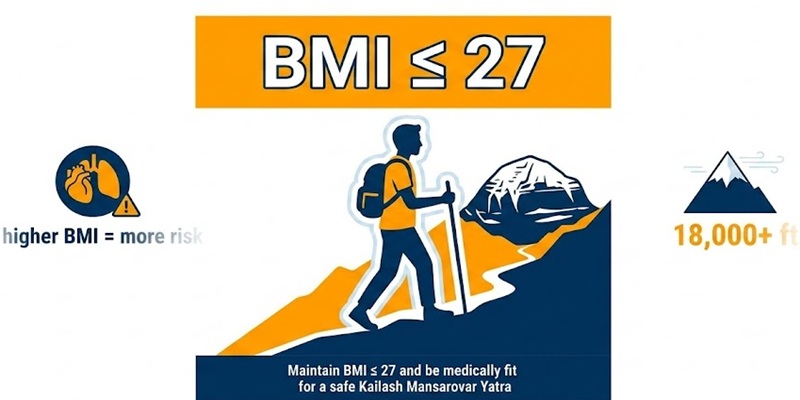
Besides, an Indian national wishing to undertake the pilgrimage is also required to have a Body Mass Index (BMI) taken into consideration while assessing their travel application.
Due to the extreme altitude climate (18,000+ ft) that pilgrims will be exposed to on this pilgrimage, people with a normal BMI will be preferred as it reduces the risk of developing health problems (e.g., shortness of breath, altitude sickness, stress on the heart), etc.
In general, any person with a BMI of up to approximately 27 will be eligible; however, the pilgrim must also be medically fit.
Pilgrims with a higher BMI will find it more difficult to adjust to the low levels of oxygen present, as well as complete the required physical activity during trekking/parikrama. It is strongly suggested that every individual maintain an appropriate weight/fitness level prior to applying in order to provide themselves the best chance of having an enjoyable and safe pilgrimage experience.
Most people think the Kailash Mansarovar Yatra 2026, organised by the Government of India (GOI), is a simple pilgrimage where you just go online to register. What most do not understand is that it is highly competitive, physically demanding and heavily regulated (internationally approved, due to the complexity of obtaining high altitude permission, associated with limited seats and high altitude risk).
|
Feature |
Government Route (India) |
Nepal Route |
|
Selection |
Lottery system |
Direct booking |
|
Duration |
14 - 21 days |
9 - 15 days |
|
Flexibility |
Fixed itinerary |
Flexible packages |
|
Accessibility |
Highly limited |
More available |
|
Comfort Level |
Moderate to tough |
Relatively easier |
|
Cost |
Lower subsidized |
Higher private cost |
There is a very rigorous and regulated process administered by the Ministry of Foreign Affairs, which administers this program. Pilgrims who apply for the pilgrimage online are randomly picked via computerized lottery methods; therefore, at the time of your application, you may not be able to ensure that you will be chosen.
If, after your pilgrimage has been chosen, you will need to go through several medical screenings, documentation checks, and orientation prior to the trip. In addition, you will also be travelling and trekking into an area of over 18,000 ft in altitude, where very little oxygen exists. You may have additional issues while on your pilgrimage due to weather issues, obtaining political clearance, or border restrictions.
In addition to the difficulties involved in the travel part, the preparation of the pilgrims is equally challenging. The number of seats available for pilgrims is limited, there is a strict age limit to apply for the pilgrimage, and the medical assessment processes reject large numbers of people.
Even when a pilgrim is chosen to go on their pilgrimage, they must pass two separate fitness assessments. Other components, such as permits/travel, group travel guidelines, and ticketed schedules, restrict flexibility. Finally, due to sudden changes in weather (and/or political restrictions), there is a possibility of being delayed/disrupted.
For a large number of Indian devotees, reaching by the established government route may be simplified, in comparison with reaching via the Nepal route. The Nepal route is directly from Kathmandu, crossing into Tibet at either Kerung or Simikot.
Compared to the previously established ground routes of government-sponsored arrangements, a wide variety of helicopter services, shorter travel times and numerous package options through private operators are offered. However, successful travel by the Nepal route will require obtaining separate permits and a separate Chinese Group visa.
Pilgrims traveling from Ahmedabad to Mount Kailash generally prefer to travel via Kathmandu and Kerung since it requires less trekking time than traveling by air directly to Tibet. Your journey will begin with being taken overland by vehicle through the beautiful mountainous area of Nepal towards Tibet, taking approximately 12-15 days for the trip to be completed. This mode of pilgrimage allows for a very comfortable pilgrimage experience while at the same time acclimatizing to changes in altitude gradually.
Leave Ahmedabad
You can get a direct flight from Ahmedabad to Kathmandu OR you can get a flight to Delhi to connect with another flight to Kathmandu.
Arriving and Prepping in Kathmandu
You will be required to spend 1-day in Kathmandu to obtain/document permits, complete orientation concerning the pilgrimage and have time for prepping.
Drive to Syabrubesi
Take a scenic road trip through the beautiful mountainous region surrounding Kathmandu by vehicle to Syabrubesi, where you will stay for the night.
Cross The Kerung Border
From the Rasuwagadhi border, you will be crossing from Nepal into Tibet at Kerung; you will spend the night in Kerung to allow your body to acclimatize to the altitude.
Drive to Saga
While continuing your journey across the Tibetan Plateau to Saga, you will be gaining altitude gradually.
Arriving: Mansarovar Lake & Mount Kailash
Driving to Lake Mansarovar for pilgrimage rituals and then continuing your drive to Darchen (the Base Camp for Mount Kailash).
Pilgrims traveling from Bangalore will frequently select the helicopter route as it saves considerable time on the journey. With this option, one travels by air, transfers from flight to helicopter, and has short treks. In addition to saving time, this method of travel allows for experiencing the Himalayan scenery.
Pilgrims from Hyderabad normally arrive in Kathmandu by air, and then travel via road to the Kerung border. This is one of the more travelled modern routes because it is mainly a driving route with little walking, which makes it more appealing to groups and older individuals who want to go on this trip together.
Start from Hyderabad
Fly from Hyderabad to Kathmandu through either Delhi or Mumbai.
Arrival in Kathmandu
Once you arrive in Kathmandu, there are meetings that give you all the information you need; you will get your visa and permits, and then be ready to continue your journey.
Drive to Syabrubesi
Travel to Syabrubesi by road from Kathmandu. This part of the trip is very beautiful and has many scenic views of the Himalayas.
Cross the Kerung Border
Cross the Kerung Border into Tibet and stay in Kerung for altitude acclimatization.
Travel to Saga
Continue driving towards Saga on the Tibetan Plateau with incredible views of mountains along the way.
Reach Mansarovar and Kailash
Drive to Lake Mansarovar and then continue on to Darchen, the base camp for the Mount Kailash pilgrimage.
The primary start point for the classic Indian journey facilitated by the government to Lipulekh Pass/Uttarakhand is Delhi. It is both the most spiritual and thrilling of all routes, as it requires extensive trekking through valleys in the Himalayas before entering Tibet. Completing this journey typically takes 23 - 25 days.
Start from Delhi
Upon arriving in Delhi, a pilgrim will complete medical assessments and also participate in orientations and prepare required documentation, before travelling by road to Almora and ultimately to Dharchula, Uttarakhand.
Continue to Gunji by Trekking
On arriving at the village of Gunji, pilgrims can acclimatize by continuing their trekking journey through the villages of Budhi and Gunji.
Stay and See Navidhang
At Navidhang, a place where pilgrims will view the sacred site known as Om Parvat.
Cross the Lipulekh Pass
From here, trekkers will traverse the high-altitude Lipulekh Pass located on the India-Tibet Border.
Arrive in Mansarovar and Kailash
From here, pilgrims will move into Tibet, travelling by road to Lake Mansarovar and Mount Kailash.
Most people traveling to Mount Kailash from Mumbai will likely use helicopter packages through Nepal in order to make the trip shorter. As a result, there will be reduced travel distances by road and hiking, allowing pilgrims the option to complete their parikrama of Mount Kailash.
Departing From Mumbai
To begin, you will travel from Mumbai to Kathmandu by air.
Arriving in Kathmandu & Becoming Familiar With It
Your first activity will be to participate in a pre- pilgrimage briefing and to do your visa application for Tibet.
Flight to Nepalgunj
Following this, you will make a domestic flight from Kathmandu to Nepalgunj.
Flight to Simikot
Then you will fly from Nepalgunj to Simikot for the purpose of acclimatization.
Helicopter Flight to Hilsa
You will take a helicopter flight from Simikot to Hilsa, where you will then enter Tibet by land.
Tour of Mansarovar and Mount Kailash
After you reach the Mansarovar Lake area, you will be transferred to Darchen to commence the parikrama of Mount Kailash.
Pilgrims travelling from Chennai as well as other parts of eastern India will sometimes choose to take the Nathu La Pass route through Sikkim. This route is almost entirely via road and requires considerably less trekking than the Lipulekh route, making it ideal for elderly pilgrims.
Departure from Chennai
Fly from Chennai to Bagdogra or Kolkata (Gumasi).
Travel from Bagdogra to Gangtok
Drive from Bagdogra Airport to Gangtok, the capital of Sikkim.
Acclimatization in Gangtok
Spend one 1 to two 2 days acclimatizing and completing formalities.
Travel to Nathu-La
Drive up to Nathu-La pass and enter Tibet.
Journey overland through Tibet
From here, you will travel on the road through Kangma and Zhongba on the Tibetan Plateau.
Travel to Mansarovar and Kailash
Continue on to Lake Mansarovar and continue on to Darchen to begin the parikrama of Mount Kailash.
Many Kerala pilgrims choose the helicopter Yatra (journey) as an easier way to reach Mt. Kailash. This route requires flights to Kathmandu, domestic flights in Nepal, and a helicopter transfer from there to the Tibet border. The helicopter journey usually takes about 10 to 12 days in total, and while travelling along this route, you will have views of the majestic Himalayas before arriving at Lake Mansarovar and finally at Mt. Kailash.
Begin Your Journey
Fly from Kochi, Trivandrum, or Calicut to Delhi or Kathmandu, depending on your location and available flights.
Arrive in Kathmandu
You will arrive in Kathmandu to have your Yatra orientation, complete the necessary documents to obtain your Tibet travel permit and have any pre-Yatra preparation done.
Fly to Nepalganj
After you finish in Kathmandu, take a domestic flight to Nepalgunj (a town in western Nepal about 25 km from the India-Nepal border).
Fly to Simikot
You will board a small aircraft (18-seat planes) for the flight to Simikot Airport located in the Humla region of western Nepal, where you will acclimatize before continuing on the helicopter part of your journey.
Fly to the Hilsa Border by Helicopter
You will fly from Simikot to Hilsa by helicopter. After landing on the Tibetan side of the border, you will cross into Tibet.
Arrive at Lake Mansarovar and Mount Kailash
From Hilsa, you will travel by road to Purang, then Lake Mansarovar, and finally arrive at Darchen to begin the parikrama (circumambulation) of Mount Kailash.
Pune to Mount Kailash travel for devout followers is mostly through Kathmandu with an overland Kerung path into Tibet. This is now one of the most used paths for travel as it is mainly via the road with little trekking involved, and most commonly taken route today. The entire trip normally can be completed within 12 to 15 days with the gradual acclimatization to the increase in altitude.
Pune to Kathmandu
You will either fly to Kathmandu from Pune through Delhi or Mumbai.
Kathmandu
You must spend one full day doing orientation, visa processing and permit (documentation) required for the trip.
Kathmandu to Syabrubesi
You will start your scenic drive from Kathmandu to Syabrubesi in the foothills of the Himalayas.
Cross the border into Kerung, Tibet
You will travel to the Rasuwagadhi border and cross through to Tibet via Kerung.
Travel from Syabrubesi to Saga
You will continue your journey across the Tibetan plateau to Saga for acclimatization to the altitude.
Travel from Saga to Mount Kailash and Lake Mansarovar
After doing your rituals at Lake Mansarovar, drive to Darchen, where you will begin your Mount Kailash Kora pilgrimage.
Pithoragarh in Uttarakhand lies on the traditional Indian pilgrimage corridor to Kailash Mansarovar. This historic route goes through Dharchula and crosses the high-altitude Lipulekh Pass into Tibet. It is the route officially organized by the Government of India and offers a deeply spiritual Himalayan trekking experience.
Start from Pithoragarh
Depart from Pithoragarh and head to Dharchula, which serves as the main town for taking part in the Kailash pilgrimage in Uttarakhand via road.
Journey to Tawaghat and Gunji
Proceed toward Tawaghat, the village beyond Dharchula, through which you will experience acclimatization, stopping in Budhi and Gunji, both of which you will see on this route.
Reach Navidhang
You will arrive at Navidhang. Here you will have a view of Om Parvat, one of the most sacred mountains in the world to Hindu pilgrims.
Cross Lipulekh Pass
Next, you will cross over the Lipulekh Pass, located at approximately 5200 m / 17000 ft above sea level, on the border between India and Tibet.
Enter Tibet at Purang
After you have crossed over Lipulekh Pass, you will continue traveling by road toward Purang, the main town located in the region of Taklakot in Tibet.
Reach Mansarovar and Kailash
After you arrive in Purang, you will want to travel to Lake Mansarovar and then Darchen, the town where you will start out on the parikrama (circumambulation) of Mount Kailash.
There is no 'Kailash Visa' issued directly to Indians planning to travel to Kailash Mansarovar. Rather, there are different provisions for obtaining the appropriate visa depending upon which route you choose to take. Both Mount Kailash and Lake Mansarovar are situated in Tibet (China), and therefore, you require a Chinese Visa Group Visa as well as a Tibet Travel Permit in order to gain entry into Tibet, which is a restricted area. The two entry permits cannot be applied for separately.
The visas & permits for the government-organized trips to Kailash Mansarovar from India are arranged through the MEA (Ministry of External Affairs) in conjunction with the Chinese authorities once your application has been selected by the official lottery system. Travelling to Kailash Mansarovar from the Nepalese side, again, the visa will be processed through the registered tour operators in Kathmandu who are responsible for arranging group Chinese Visas along with the Tibet Travel Permit.
Who Requires Visa for Kailash Mansarovar Yatra
All Indians Travelling through Nepal
Indians selected for the Government of India (MEA) quota for Kailash Mansarovar Yatra.
All foreign nationals travelling with a group of other members (if applicable)
NRIs holding an Indian Passport (this is treated as an Indian Citizen)
Visa processing occurs only in groups (not as individual applicants). A passport copy, photos, medical certificates, and a completed application form must be sent to an approved agency. Once the documents and background have been checked, the visa is issued by the embassy in Kathmandu or by a government agency in India. Visa processing time is 7-15 days and can vary depending on the season and route taken by the applicant.
The actual visa itself is relatively inexpensive. But you'll be charged for permit processing, and the fee will be between $150 to $300 US dollars. It depends on the route taken, the tour operator you book your tour with, and where the processing is done. But the fee is typically included in the overall tour package. So you don't need to worry about organising that separately.
Kailash Mansarovar does not accept individual tourist visas; you can only enter Kailash Mansarovar with a group tour that has been approved.
You must have a Tibet Travel Permit together with your Chinese Group Visa to enter the area of Tibet.
Final approval of your visa will depend on the Chinese government and on seasonal travel restrictions.
Indian citizens must carry a valid passport to go on the Kailash Mansarovar Yatra, so they will not have an option to go without one, as Mount Kailash and Lake Mansarovar are in the Tibet Autonomous Region of China; therefore, this is an international travel destination.
Who Needs a Passport for Kailash Mansarovar Yatra
A valid passport is mandatory for the following travelers:
Indian citizens traveling the government route (selected through the MEA)
Indian citizens traveling the Nepal route (using third-party operated service providers)
Non-Resident Indians who hold an Indian passport
Foreign nationals (unless permitted otherwise) using a tour operator on a group tour basis
Pilgrims over the age of 60 or 70 years of age who are medically fit to travel for the Yatra
Pilgrims who are on helicopter and overland tours to Mount Kailash
Why Passport is Compulsory
A passport is required because:
Travel to the Tibet Autonomous Region of China is considered international travel.
You must have the Chinese group visa stamped in your passport for entry into Tibet (China).
Tibet travel permits are linked to the passport.
To be permitted to cross the border between Nepal/China or India/China, the government is required to verify the identity of the travelers.
Without a valid passport, you will not be able to obtain entry into the region of Mount Kailash, regardless of how you travel.
Minimum Passport Requirements
Have at least 6 months of validity after the traveler plans to return from the trip.
Contain enough blank pages for the required visa stamp.
Must be an original document (no photocopies will be acceptable for travel).
Important Clarification
Many people mistakenly think that having an Aadhar Card or Voter ID is sufficient. Although the Aadhar Card and Voter ID may be sufficient to cross over into Nepal, they will not suffice to cross into Tibet or the Kailash Region, and at least a Canada Passport is required for the final stage of the journey in all cases.
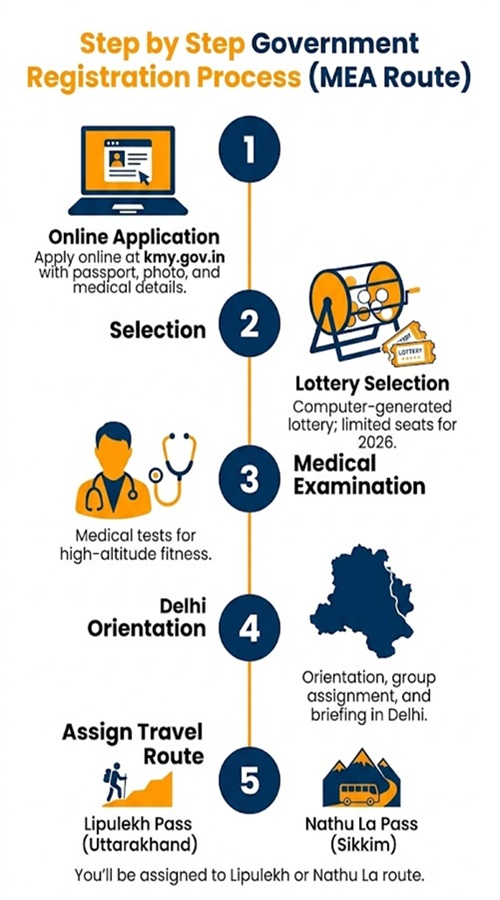
The Government Route (MEA Route for Pilgrims). The Ministry of External Affairs (MEA) has established a lottery system for selecting pilgrims for the Yatra. This makes the MEA Route a competitive route that has extremely high physical demands upon the vulnerable participants.
Step 1 - The Online Application.
Go to the MEA Official Kailash Mansarovar Portal and enter your application, including your Passport Details, the Picture of You and the Medical History of You.
Step 2 - The Lottery Selection.
Because of the extreme demand, computer-generated lottery tickets are used to select pilgrims from among all the applicants. Only a limited number of tickets are issued each year.
Step 3 - The Medical Examination.
Some of the pilgrims selected have to undergo a thorough medical examination so that it may be determined whether they will be able to withstand traveling at high altitudes or not.
Step 4 - Arrive in Delhi for Orientation for Final Selected Pilgrimage Participants
After accepting the invitation to participate, new group members will report to Delhi for orientation, group assignment, and orientation briefing.
Step 5 - Assigning Travel Routes.
Depending on your group assignment, you will be given one of two travel routes for your pilgrimage.
As the above-described process is very demanding both physically and mentally, it will be very slow and very competitive, so many pilgrims will not be selected.
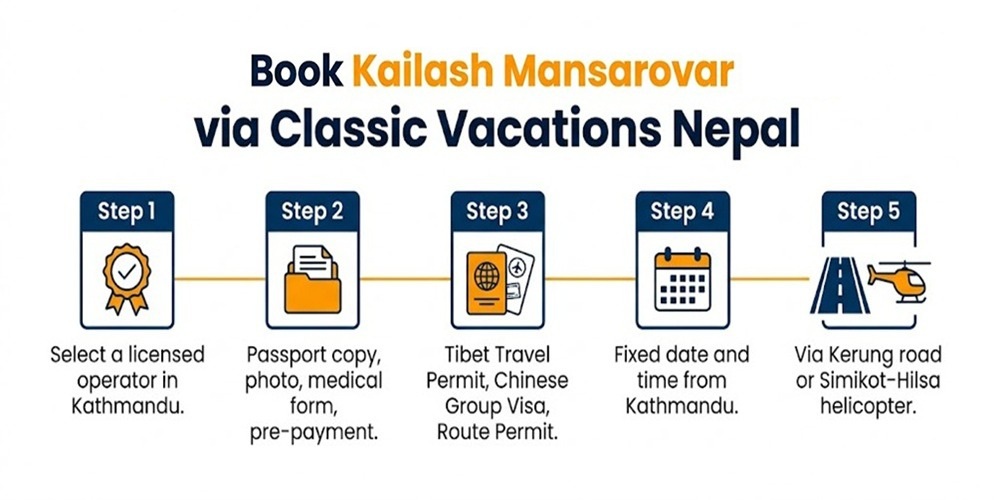
Due to the quicker confirmation, flexibility with departure dates, and more reliability in securing a reservation, most Indian travelers now select private packages offered by Nepal-based operators.
Step 1: Select a Licensed Operator
Choose a licensed Kailash operator who is located in Nepal/Kathmandu and has been verified.
Step 2: Provide Documents
You will need to provide:
Step 3: Get The Required Travel Passes
Step 4: Verify Obligation of Group Discharge
You will have a specific date and time of departure, often from Kathmandu.
Step 5: Travel in Nepal
While getting to Tibet via Kerung, use the overland route that passes from Kathmandu.
Helicopter flights from Simikot to Hilsa also make the cut, but these are significantly quicker and might be more gratifying than taking a taxi on this route.
Indian passport holders can go to Kailash Mansarovar through only two methods: government (available when open) and private (tour operators based in Nepal). The method to choose is based on who offers what (when available), budget, level of fitness, and whether the Yatra is open for that year.
If the Yatra is open to all, Indian passport holders can choose from two main options:
1. Government of India Yatra (MEA Route - Lipulekh & Nathu La)
The Ministry of External Affairs (MEA) manages the Yatra, and there are two routes.
One route is through the Lipulekh pass in Uttarakhand (a combination of trekking and road through Dharchula and Gunji, via Navidhang).
The second is through the Nathu La Pass (Sikkim) (largely a motorable route with easier terrain).
This option is subsidized and is highly structured, including medical screening prior to the trip and travelling as a group.
2. Nepal-Based Private Package (Most Popular Option)
Most pilgrims are now taking the Nepal route due to greater flexibility and a higher level of successful completion of the Yatra.
Kerung Overland Route (Kathmandu → Syabrubesi → Kerung → Saga → Mansarovar).
The Simikot–Hilsa helicopter route (fast and premium).
You should look for a tour operator in Nepal who offers a 10- 14 day package, including full support, permits, and acclimatization.
If there is no official Yatra, you cannot do a direct pilgrimage, but there are other spirituality-based alternatives, such as:
Aerial view of Mount Kailash and Mansarovar via chartered plane
Pilgrimage tours with Himalayan views to the border posts of Nepal
Temple-based spirituality packages in Kathmandu (Pashupatinath pujas, get blessing for Kailash)
If you are not selected in the Government of India quota (limited and based on lottery), the best option is to do Nepal-based private packages. They are easily available and do not require lottery-based selection.
Some examples of famous package tours are:
The Kerung Overland (Budget, Most Stable)
Simikot-Hilsa Helicopter: (Shuttle, Luxury)
We recommend, with a full Visa support, permits, accommodation, and a required helper to complete Kailash Parikrama (circumferencing), choose the reliable Nepalese Tour providers.

Classic Vacations Nepal is a Travel & Tour Company based in Kathmandu, Nepal run by a team of young and energetic travel guides experienced in adventure travel from 22 years. Classic...
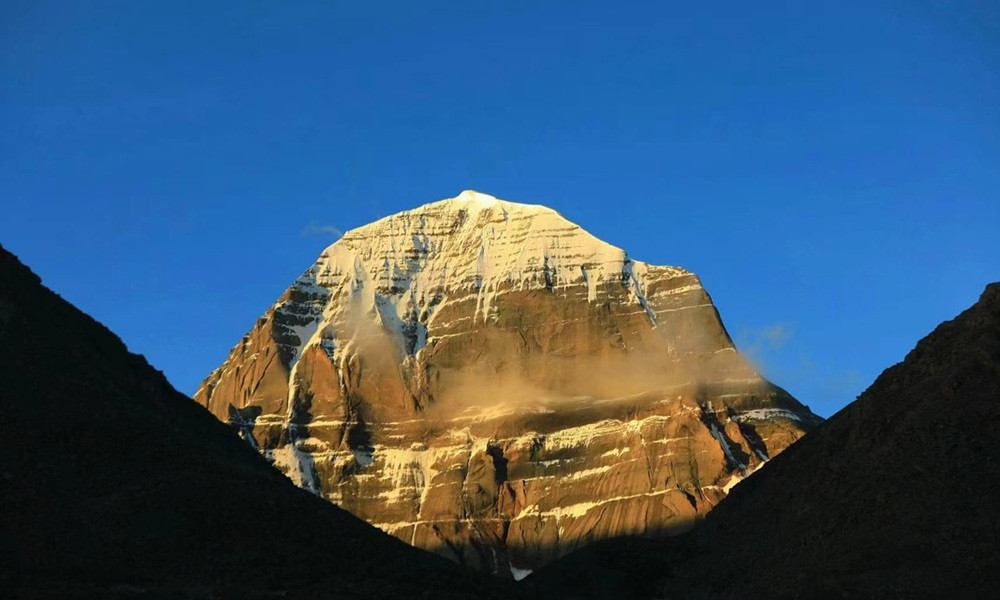
Pilgrims can choose to undertake the Kailash Mansarovar Yatra 2026 through two routes-the route that is managed by the Government of India, and packages provided by tour operators. The fo...

Discover Nepal's top sightseeing spots, including majestic mountains, ancient temples, historic cities, and stunning natural views.
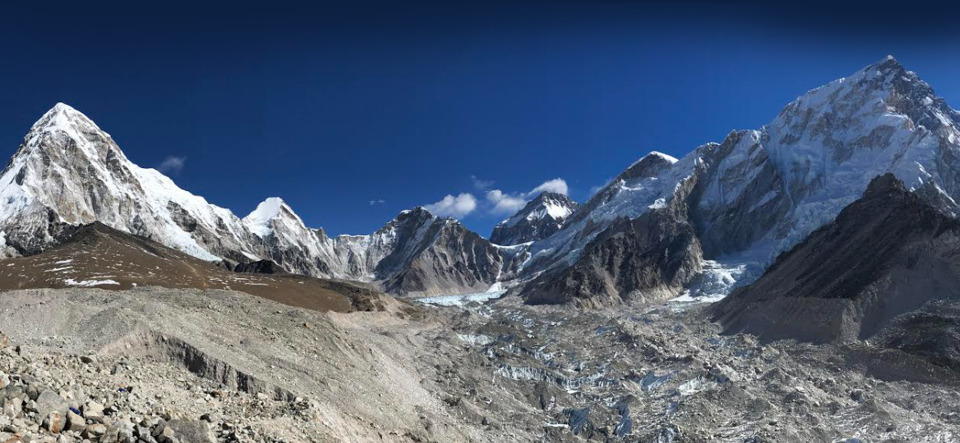
Travelling during the rainy season is no easy feat; the frequent change of plans, delays and the heavy rainfall add a layer of complications to your travel plans

Explore the 10 World Heritage Sites of Nepal listed in UNESCO, full of culture and history. Plan your visit to these amazing landmarks today!

Fam trips in Nepal are special tours for travel agents and bloggers. They visit famous places like Kathmandu, Pokhara, and Everest Base Camp. These trips show Nepal’s culture, nature, and adv...
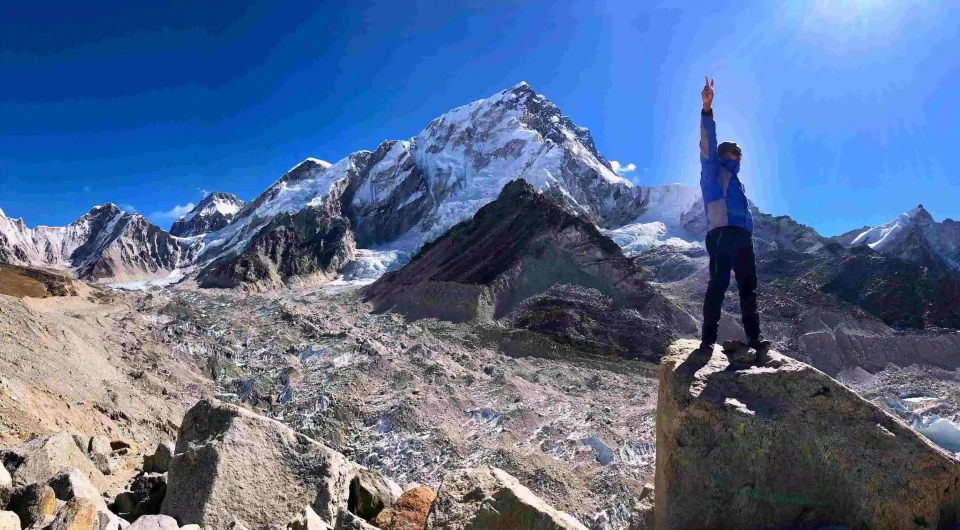
It is important to pack the right clothing and equipment for your safe adventure travel in Nepal, Tibet & Bhutan. Trekking and climbing trips in the Himalayas would not be safe and successful w...

If you are one of those outdoor devotees then Trekking in Nepal should be at the top of your bucket list. If you are new to the Himalayas then you might be wondering how it is like trekki...

Explore Nepal’s top trekking trails, including Everest Base Camp and Annapurna. Discover stunning views and unforgettable adventures!