Kailash Saga Dawa Festival Tour 18 June 2027 Highlights
Take part in the Saga Dawa Festival on 18 June 2027 - the most sacred Tibetan festival of Buddhism.
During the Festival, you have the opportunity to see the Tarboche Prayer Flag Raising Ceremony that takes place only once per year, at the base of Mount Kailash.
Be part of the gathering of thousands of Tibetan Monks, Pilgrims and Nomads who come from all over the Himalayas for this unique pilgrimage event.
Immediately after the Festival, you will join fellow pilgrims on the Kailash Kora (the circumambulation of Mount Kailash), which is a 52 km hike that has been done by Pilgrims for centuries.
Before starting the Kora, say prayers, meditate and spiritually purify yourself at Lake Mansarovar.
Before entering Tibet, be blessed at Pashupatinath Temple, Guhyeshwari Temple, Manakamana Temple and Bakreshwar Mahadev Temple.
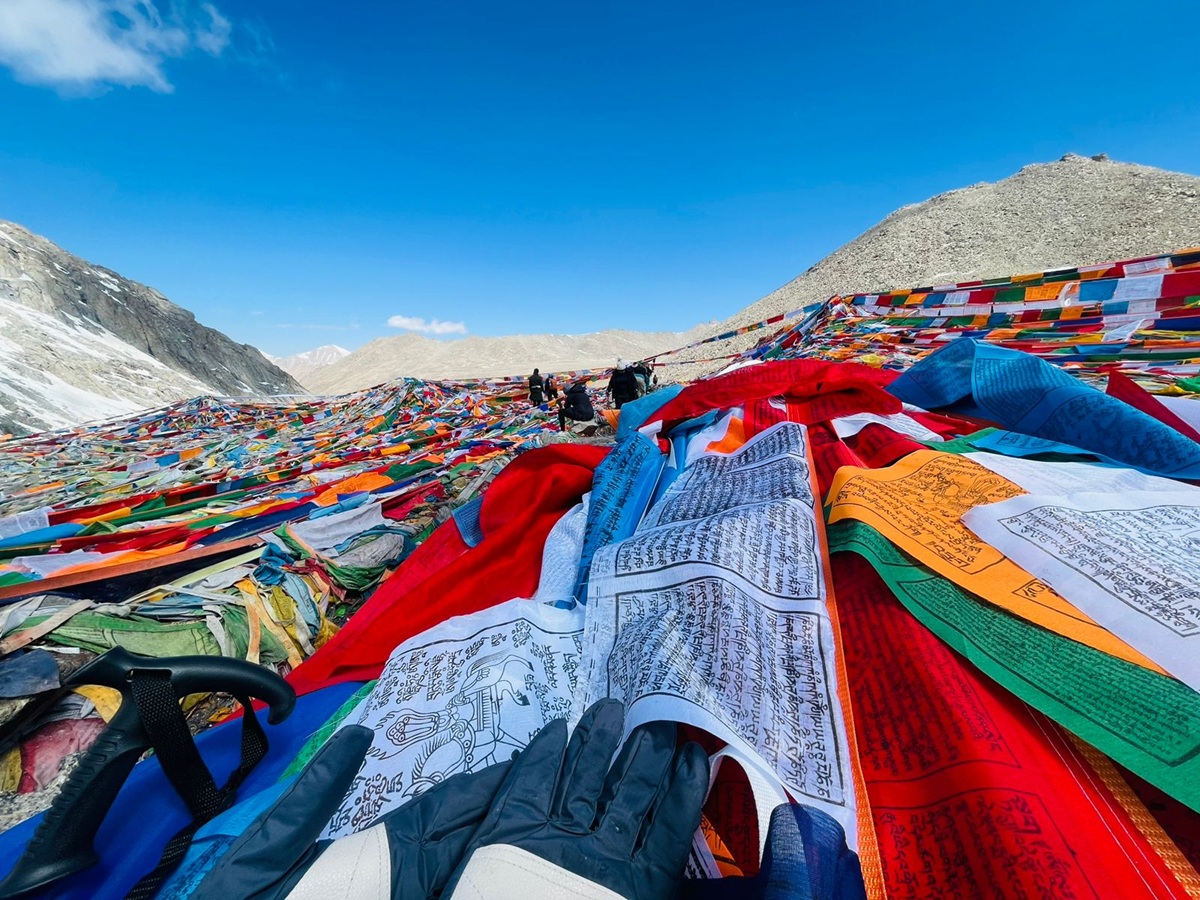
Cross the Legendary Dolma La Pass (5,630 m) – the highest and most sacred point on the pilgrimage.
Follow an itinerary carefully developed for your gradual acclimatization to a higher altitude, so that you will be comfortable and have a safer experience at high altitudes.
Travel with experienced Nepalese and Tibetan pilgrimage leaders, who have organized all logistics, permits and transport along your Journey.
Choose any of the set departure dates, which have been arranged for the Saga Dawa Festival on 18 June 2027, 7 June 2028 and additional dates for the Saga Dawa Festival will be released when approved.
Kailash Saga Dawa Festival Tour 07 June 2028 Highlights
Join our fixed departure to celebrate the Saga Dawa Festival on 07 June 2028, the most auspicious and holiest occasion on the Tibetan calendar.
Get blessings at Pashupatinath Temple, Guhyeshwari Shakti Peeth, Manakamana Temple & Bakreshwar Mahadev before entering Tibet.
Make overland travel from Tibet through the scenic town of Kerung, Saga & Paryang over the barren and wide Tibetan Plateau.
Reach Lake Mansarovar for puja, meditation, and soul cleaning before starting the trek to reach Kailash.
Observe the holy Tarboche Prayer flag hoisting ceremony, performed once a year at the foot of Mount Kailash.
Experience monks chanting ancient prayers, blowing Tibetan horns, making butter lamp offerings, seeing colorful prayer flags and meeting thousands of devout pilgrims.
Start the sacred 52 km Kailash Kora from Yamdwar according to ancient tradition.
Complete the Kailash Kora by trekking via Dirapuk Monastery, crossing the holy Dolma La Pass (5,630 m), visiting Gauri Kund and reaching Zuthulpuk Monastery.
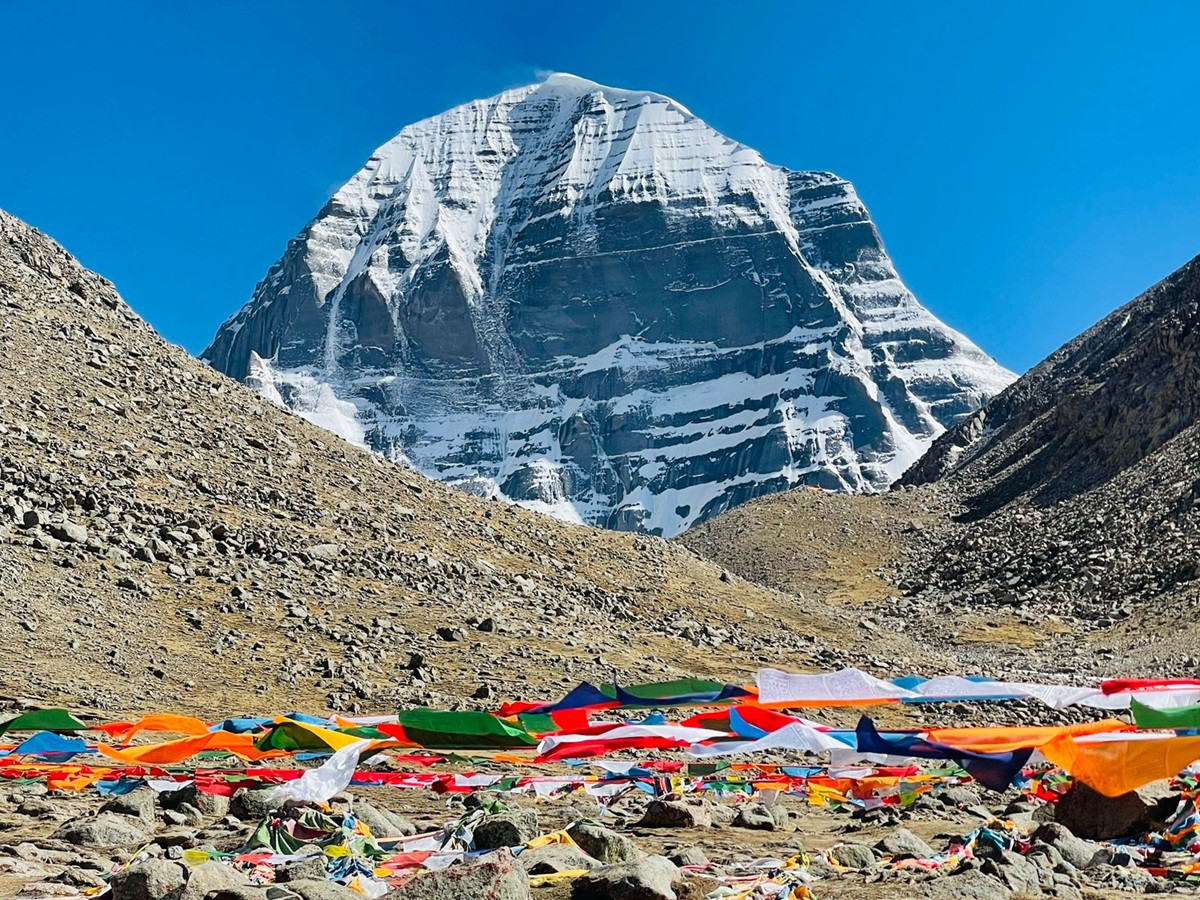
Enjoy spellbinding views of the north face of Mt. Kailash, glaciated valleys, alpine pastures and the crystal-blue waters of Lake Mansarovar.
Travel with well-trained and experienced guides, benefit from gradual acclimatization, and receive full Tibet visa and permit support.









Experience a divine 16-day Kailash Saga Dawa Festival Tour which brings together one of the holiest of all Tibet festivals with the iconic Kailash Kora. This extraordinary Kailash Yatra has been planned so that it synchronises with the Saga Dawa Festival - the holiest occasion on the Tibetan Buddhist calendar dedicated to the Birth, Enlightenment and Parinirvana of Buddha Shakyamuni. Occurring in May or June, this festival gathers thousands of Tibetan lamas, pilgrims and devoted followers at Tarboche in the valley of the sacred Mount Kailash, where the ceremonial raising of prayer flags officially opens the season for the Kailash Kora.
The Saga Dawa 2027 Package will be scheduled in celebration of the June 18, 2027 festival, whereas our Saga Dawa 2028 Package is slated for a June 07, 2028 departure so that you can experience the one-of-a-kind Tarboche ceremony and proceed on your 52-kilometer sacred Kailash Kora.
Your sacred adventure kicks off in Kathmandu with offerings at Pashupatinath Temple, Guhyeshwari Shakti Peeth, Manakamana Temple and Bakreshwar Mahadev prior to entering Tibet. Through the Kerung Border, you will drive through the vast and majestic Tibetan Plateau, through Saga, Paryang, Lake Mansarovar, Darchen, Tarboche, Yamdwar, Dirapuk, Dolma La Pass (5,630 m), Gauri Kund and Zuthulpuk to complete this most sacred of all pilgrimages. Acclimatisation at various stops makes this high-altitude trek one of the safest of its kind.
Saga Dawa makes the whole Mount Kailash region an incredible place of spiritual celebration. Come experience the spiritual fervour with monks chanting ancient sutras, colourful prayer flags dancing over the valleys, juniper incense burning, butter lamp offerings, pilgrims performing prostrations, and thousands walking the circumvallations around the Holy Mountain during this yearly occurring celebration in the Kailash area. The Kora of Kailash at this time is particularly holy in the tradition of Tibetan Buddhism.
Whether your goal is a soul-inspiring pilgrimage, an amazing Himalayan holiday or an extraordinary ethnic expedition, our Kailash Saga Dawa Festival Tour 2027 and Kailash Saga Dawa Festival Tour 2028 are specifically designed for you with the support of our experienced pilgrimage leaders and full Tibet permit and logistic support from Kathmandu to Mount Kailash, including accommodation and transport. We are taking reservations now for the Saga Dawa 2027 Package (18 June 2027) and the 16 Days Saga Dawa 2028 Package (07 June 2028), including special group rates, up-to-date price lists, departure dates and details regarding necessary travel documents for Tibet (permits), and other specific requests for a personalized pilgrimage to Mount Kailash during this very holy festival. Please contact the pilgrimage experts at Classic Vacations Nepal for a most memorable journey of a lifetime.
In the lunar Tibetan Buddhist calendar, Saga Dawa happens in the fourth month. The month of Saga Dawa usually falls around the end of May to the middle of June on the Gregorian calendar. This is the month when Lord Shakyamuni Buddha was born, attained enlightenment, and attained Parinirvana (nirvana at death).
Thus, this time of the year holds the greatest spiritual significance in Tibet for prayers, pilgrimages, acts of compassion, and the practice of virtue. Tibetan Buddhists believe that good deeds done during the month are magnified, thus inspiring countless Tibetans to make pilgrimages to places like Mount Kailash.
Saga is named after the fourth Tibetan lunar month and appears in the sky in the form of one of the major constellations (Alpha Librae) known in Sanskrit as Vaishakha.
Saga means the sacred period in the night where it rises the highest on the horizon and where it reaches the most optimum stage.
It actually refers to the fourth month of the year and not to the festival itself.
The term Dawa is derived from the Tibetan word for moon, and therefore also for "month" since Tibetan months are based upon the lunar cycle; thus, together the term Saga Dawa means "The month of Saga," or "the fourth lunar month".
The Full Moon Day is considered by many to be the most holy day on this entire planet because on this day the merit of all of one's compassionate actions, prayers, offerings, and pilgrimages will be multiplied many times over; therefore, this is an extremely favourable time for undertaking the Mount Kailash Kora.
The Difference is not in the Route - it is in the Timing. Most pilgrims visit Mount Kailash. Few will experience it during the sacred Saga Dawa Festival. At this festival time, the whole of the Kailash region becomes a pilgrimage destination as the monks, nomads, and local pilgrims of the land come to Tarboche for the most auspicious day in the Tibetan Buddhist calendar. This trek brings together the festival, the pilgrimage and the complete Kailash Kora in one unforgettable journey.
|
Feature |
Regular Kailash Yatra |
Our Kailash Saga Dawa Festival Tour |
|
Travel Season |
Trek to Mt. Kailash during the standard pilgrimage season. |
Travel during Saga Dawa, the holiest month in the Tibetan calendar. |
|
Festival Experience |
No festival activities are included in the trek. |
Attend the only annual Tarboche Prayer Flag Raising Ceremony, the most spiritually significant event of Saga Dawa. |
|
Pilgrimage Atmosphere |
Low pilgrim movement with a relaxed trekking experience. |
Meet thousands of Tibetan pilgrims, monks, nomads, and devoted practitioners from across Tibet and the Himalayas. |
|
Kailash Kora |
Complete the Sacred Kailash Kora at any time during the pilgrimage season. |
Begin the 52 km Kailash Kora immediately after the Tarboche ceremony, following a centuries-old pilgrimage route. |
|
Spiritual Significance |
A spiritual journey focused on Mount Kailash and the sacred Lake Mansarovar. |
Discover Kailash in its holiest period when prayers and good deeds carry even more spiritual merit. |
|
Cultural Experience |
Explore monasteries and meet local people along the trek. |
Witness the vibrant living Tibetan Buddhism with prayers, prostrations, butter-lamp offerings, prayer-flag hoisting and the energetic festival at Tarboche. |
|
Photography & Scenery |
Enjoy spectacular views of the Himalaya Mountains and sacred sites. |
Capture in your lenses the Tarboche festival, colourful prayer flags, monks, pilgrims and the festivity around Mount Kailash. |
|
Overall Experience |
The ultimate Kailash Manasarovar Yatra to one of the world's most sacred mountains. |
This is the most auspicious and the one-life-time chance pilgrimage to Kora Mount Kailash with Saga Dawa Festival, Tarboche ceremony, Lake Mansarovar and the full Kailash Kora in one package. |
Before dawn at Tarboche: Witness the monks preparing to set up a giant prayer flag at the location.
As part of the ceremony, listen to holy prayers chanted to music reverberating through the valley.
When the pole is raised: Take part in one of the most significant ceremonial activities during the year in Tibet.
After the festival is complete: Begin the 52 km walk around Mount Kailash (Kora) with other Tibetan Pilgrims.
Why Pilgrims Choose Saga Dawa
Many practicing Buddhists feel that when they perform prayers, make offerings and do compassionate things, the merit they receive spiritually, as well as the merit created by performing the Kailash Kora during Saga Dawa, will be greatly multiplied. Hence, many pilgrims travel from all areas of Tibet to participate in this special event of going on pilgrimage to Mount Kailash during the sacred week. Therefore, as a pilgrim, you are not only visiting Mount Kailash, but you are making your pilgrimage at a time when Mount Kailash is the focal point of one of the earth's largest living pilgrimage sites.
|
Departure Year |
Saga Dawa Month |
Tibetan Lunar Calendar |
Saga Dawa Düchen (Festival Day) |
Recommended Tour Period |
Booking Status |
|
2027 |
June 2027 |
4th Month of the Tibetan Lunar Calendar |
18 June 2027 (Friday) |
Early to Late June 2027 |
Open for Booking |
|
2028 |
June 2028 |
4th Month of the Tibetan Lunar Calendar |
07 June 2028 (Wednesday) |
Late May to Mid-June 2028 |
Open for Booking |
|
2029 |
May–June 2029* |
4th Month of the Tibetan Lunar Calendar |
Official date to be announced |
Late May to Mid-June 2029 (Tentative) |
Early Enquiry Open |
Note: The timing of tours has been arranged in such a way that all pilgrims arrive at Tarboche in time to see the annual King of the Kings Prayer Flag Ceremony and also to participate in the sacred Kailash Kora pilgrimage during this very auspicious time. Since there are limited numbers of Tibet travel permits, lodgings and festival departures, we highly recommend that you book your Saga Dawa pilgrimage at least 6 to 12 months in advance, especially if you want fixed departures for 2027 and 2028.
Your chance to be a part of thousands of Tibetan pilgrims, monks, and nomads who will all stand together to watch the ceremonial lowering and raising of the sacred 25-meter-high Tarboche prayer flagpole, which will be covered with new prayer flags under the shadow of Mt. Kailash. The ceremonial lowering and raising of this prayer flagpole is a 400 year tradition and marks the beginning of the pilgrimage season at Mount Kailash. The raising of the prayer flag is the defining moment of the Saga Dawa Festival.
Unlike a regular Kailash Yatra, this pilgrimage is timed to commence your 52 km Kailash Kora immediately after the conclusion of the Saga Dawa Festival. For many Tibetan Buddhists, this is the holiest time of year to make the journey around Mount Kailash; with combined acts of prayer, acts of compassion and acts of pilgrimage during these eight weeks will create exponential spiritual merit.
You will be provided with the opportunity to do your own puja, in complete serenity on Lake Mansarovar before you begin your kora. Pilgrims gather at Lake Mansarovar to perform sunrise prayers, meditate, collect holy water, and perform personal puja. As one of the most sacred lakes in Tibet, it has been a site of purification and devotion for centuries, and is a fundamental part of the Kailash pilgrimage experience.
Tibetan Buddhism is alive, and after taking part in the pilgrimage, you will have experienced firsthand what it means to join a living, breathing tradition. Witness monks chanting ancient texts; see pilgrims performing full-body prostrations; spin prayer wheels with their Tibetan companions; participate in many of the rituals that shape Tibetan spirituality today.
This 16-day pilgrimage has been carefully structured with gradual elevation increases, ample acclimatization time, and overnight stops that have been specifically chosen to allow for proper acclimatization. This thoughtful approach allows for optimal success in adjusting to the high elevation of the Tibetan Plateau before reaching Lakes Mansarovar and Tarboche and the Dolma Pass at 5,630 meters elevation, so that your focus will be on your spirituality rather than on rushing through your journey.
A successful Saga Dawa pilgrimage requires much more than a means of travel. The experience of the pilgrimage, including transportation, permits and border procedures, timing of festivals, appropriate behavior at monasteries, and logistical support for altitude acclimatization, will depend in large part on having an experienced pilgrimage leader to help ensure that your journey is seamless, culturally appropriate, and spiritually meaningful.
The Kailash Parikrama (sometimes called the Kailash Kora) is the spiritual centre of the Mount Kailash pilgrimage and consists of approximately 52 km (32.3 miles) of sacred clockwise circumambulation performed over 3 days. In doing so, it takes the pilgrim to Darchen, through magnificent valleys and ancient monasteries, before arriving at Dolma La Pass at 5630 m. The completion of the parikrama is viewed by Tibetan Buddhists as very auspicious, especially during the Saga Dawa Festival, and many people believe it will create substantially greater amounts of spiritual merit when performed at that time.
Three-Day Overview of Kailash Parikrama:
Day One: From Darchen to Yamdwar to Dirapuk Monastery (approximately 14–20 km); moderate incline with excellent views of the north face of Mount Kailash
Day Two: From Dirapuk to the Dolma La Pass (5630 m) to Gauri Kund to Zuthulpuk Monastery (approximately 22 km); most difficult day of the trip, but spiritually most significant.
Day Three: From Zuthulpuk back to Darchen (approximately 16 km); will complete the sacred circuit by descending relatively gently.
Quick Facts About the Kailash Parikrama
Kailash Parikrama Facts
Distance: 52 kilometers (32.3 miles)
Duration: 3 days
Start/End Point: Darchen (Approx. 4675 m.)
Highest Elevation: Dolma La Pass - 5630 m. (18,471 ft.)
Significant Stops: Yamdwar, Dirapuk Monastery, Dolma La Pass, Gauri Kund, Zuthulpuk Monastery.
Pilgrimage Direction: Clockwise for Hindu and Buddhist pilgrims.
Difficulty Level: Moderate to high due to being at high altitude and not due to technical trekking.
Best Season: May to September; the Saga Dawa month has the most spiritually significant Parikrama in a year.
The exact price for a Kailash Saga Dawa Festival Tour can vary depending on the group size, the type of tour that you are joining (Group Joining or private), your choice of hotels, the specific route and the inclusions. The Saga Dawa Festival is one of the peak seasons for visiting Tibet as a pilgrimage. Due to the peak time for applications for permits, hotels and transportation, there is no option but to book well in advance.
|
Tour Type |
Approximate Price (USD) |
Best For |
|
Group Joining Tour |
US$ 1,650 – 2,600 per person |
Solo travelers, couples, and pilgrims seeking a cost-effective shared departure |
|
Small Private Group (2–4 Pax) |
US$ 2,650 – 4,500+ per person |
Families and friends wanting greater flexibility and privacy |
|
Large Private Group (6+ Pax) |
Custom Quote |
Religious groups, organizations, and customized pilgrimages |
Number of participants, departure style
• Tibet travel permit and relevant documentations
Hotel and guesthouse category
English-speaking Tibetan guide and crew
Season and Saga Dawa festival crowd
Optional services e.g. Horse, porter and single room supplement
Whether it is a group joining departure, a private family pilgrimage or a group pilgrimage tour with some changes, we can assist in providing the detailed tour quote with the desired travel date, group size, hotel selection, and services as you prefer. Get in touch with us for up-to-date prices for the Saga Dawa festival tour in Tibet 2027, 2028 and 2029, including tour early bird discount and tailor-made pilgrimage trip.
|
Day |
2027 |
2028 |
2029* |
Itinerary |
|
Day 01 |
09 June 2027 (Wednesday) |
29 May 2028 (Monday) |
18 May 2029 (Friday) |
Arrival in Kathmandu |
|
Day 02 |
10 June 2027 |
30 May 2028 |
19 May 2029 |
Pashupatinath Darshan & Shakti Peeth Visits |
|
Day 03 |
11 June 2027 |
31 May 2028 |
20 May 2029 |
Drive to Manakamana Temple, Evening Arati |
|
Day 04 |
12 June 2027 |
01 June 2028 |
21 May 2029 |
Temple Puja, Hike to Bakreshwar Mahadev, Return to Kathmandu |
|
Day 05 |
13 June 2027 |
02 June 2028 |
22 May 2029 |
Drive to Tibet Border, Transfer to Kerung |
|
Day 06 |
14 June 2027 |
03 June 2028 |
23 May 2029 |
Drive to Saga |
|
Day 07 |
15 June 2027 |
04 June 2028 |
24 May 2029 |
Acclimatization Day in Saga |
|
Day 08 |
16 June 2027 |
05 June 2028 |
25 May 2029 |
Drive to Lake Mansarovar |
|
Day 09 |
17 June 2027 |
06 June 2028 |
26 May 2029 |
Puja/Havan at Mansarovar, Drive to Darchen |
|
Day 10 |
18 June 2027 (Friday) |
07 June 2028 (Wednesday) |
27 May 2029 (Sunday)* |
Drive to Tarboche, Witness the Saga Dawa Festival |
|
Day 11 |
19 June 2027 |
08 June 2028 |
28 May 2029 |
Drive to Yamdwar, Trek to Dirapuk (1st Day of Kora) |
|
Day 12 |
20 June 2027 |
09 June 2028 |
29 May 2029 |
Trek to Dolma La Pass, Stay at Zuthulpuk (2nd Day of Kora) |
|
Day 13 |
21 June 2027 |
10 June 2028 |
30 May 2029 |
Complete Kailash Parikrama, Return to Saga |
|
Day 14 |
22 June 2027 |
11 June 2028 |
31 May 2029 |
Saga – Kerung – Kathmandu |
|
Day 15 |
23 June 2027 |
12 June 2028 |
01 June 2029 |
Reserve Day / Leisure in Kathmandu |
|
Day 16 |
24 June 2027 |
13 June 2028 |
02 June 2029 |
Departure |
2029 Note: The 27 May 2029 Saga Dawa Festival date is currently an estimated planning date. Official confirmation from the Tibetan lunar calendar is typically released closer to the travel season.

One of the most profound and spiritually enriching journeys through the Himalayas, this Kailash Saga Dawa Festival trip allows you to experience authentic Buddhist practices, high-altitude treks and an exceptional occasion to be near Mt Kailash during the most sacred month of the Tibetan lunar calendar.
This trip is timed especially around the Saga Dawa Festival celebration (May-June) where thousands of Tibetan pilgrims gather in Tarboche to begin the sacred Kailash Kora (Parikrama). More than just travel, this is a sacred, deep, cultural and spiritually empowering insight into the heart of Tibetan Buddhism, devotion and the old traditions of pilgrimage.
This trip takes you into remote parts of the Himalayas and across diverse elevations; there will be an ascent to the Dolma La Pass (5,630m) during your Kailash Parikrama. Western Tibet can have a quickly changing and hostile climate – expect to encounter high winds, freezing cold and poor visibility at any time. Additionally, road conditions and permits in this remote region and the exact timing of festivals can be altered without notice in accordance with local customs or restrictions from Tibetan authorities. We strongly recommend you be open-minded, flexible and prepared.
Your trip is structured to allow for gradual acclimatisation through Kathmandu (Nepal) and Tibet. As we progress to Lake Mansarovar and on to the region of Mt Kailash, we ascend in a progressive and responsible way, allowing your body time to adapt. We have experienced Tibetan guides, support staff and supplementary oxygen at our disposal to make this journey safe and to help you enjoy the spiritual side of the trip rather than feel fatigued.
The Kailash Saga Dawa trip is crafted to foster immense respect for Tibetan culture as well as the precious and delicate Himalayan terrain. Visitors are urged to be engaged and take an active part in preserving sacred traditions, including walking in the holy Kora/Parikrama direction or circumnavigation of the mountain, respectful interaction with the monasteries and practice of sensitive and conscientious traveling ways. At Classic Vacations Nepal, we consider that a pilgrimage journey must be above and beyond any private, holy pursuit; rather, it must encourage some meaningful impact.
5% of your tour payment goes to social welfare programs. It’s not donated in our name; rather, it comes in your name and to your name. We partner directly with a registered NGO to give to these programs on your behalf; therefore, you directly contribute to these rural mountain communities, not to some other entity in Nepal’s capital city.
As a consequence of your trekking tour, you contribute to:
Essential healthcare services for people in extremely remote and underprivileged areas
Improving the educational facilities and accessibility of those children who lack it the most
Community building projects for sustainable growth and improvement for people living in secluded Himalayan areas
So whether it’s Gorkha or any of the isolated Himalayan valleys where we work, know that as part of your adventure, your spirit is not only soaring and you are at peace, but also in tangible ways enriching other people’s lives.
 1400m
1400m
 6 km (Airport to Hotel transfer)
 20–30 minutes drive
On the first day of the adventure, you will be flown to the hectic and soulful city of Kathmandu. After immigration and baggage collection, you will meet your tour representative before transferring to the hotel. For a first taste of local life, take a drive to see temples hidden between shops, prayer flags in the breeze above narrow streets.
Upon checking in, you will have time to relax and settle down after your long journey. You will walk for a little while in the market area towards evening and watch local people and pilgrims.
Brief information about the Kailash Yatra will also be given at the briefing, along with guides explaining to you about the route, altitude, and a few tips to follow during the yatra. The day ends with a good dinner and sets the spirit for what will please to follow.
Saga Dawa Journey Insights: Kathmandu arrival is our entry point into a spiritual land for our journey to Kailash. In your trip briefing, our guide will help us to understand the essence of the Saga Dawa Festival, the holy significance of Mount Kailash, and the special Tarboche Flagpole Ceremony that we will see in a couple of days.
Tip: What to pack (Hand luggage): We suggest you have your Passport, Tibet travel documents, travel insurance, and Medications in your hand luggage. Try to start drinking a lot of water today for acclimatization to the altitude and for other benefits.

Hotel Shanker or Ramada Encore Kathmandu or Barahi Kathmandu (4 star)

Breakfast
1400m
25–30 km total
5–6 hours
This morning, wake up early and drive to pay an early visit to the holiest Pashupatinath Temple (Lord Shiva). Reach the Holy Pashupatinath Temple Complex and observe the morning poojas conducted by sadhus, priests and devotees, along with the bells and Vedic chants in an atmosphere of sanctified air. Perform poojas during morning darshan and see ancient rituals performed on the sacred Bagmati River.
From Pashupatinath, proceed to the nearby Guhyeshwari Temple, a venerated center for Shakti worship and which is considered one of the 51 Shakti Peethas.
Located close to Pashupatinath Temple, this shrine represents the divine unity between Shiva and Shakti, and carries great spiritual significance for Hindu pilgrims. Dependent on time, your pilgrimage continues to Dakshinkali Temple, which is the abode of Goddess Kali, where your guide will also narrate the history, traditions, and rituals of this significant temple. While exploring the area, you will also admire the traditional Newari architecture of the temples, ancient stupas, colourful prayer flags, and bustling markets where you will find flowers, incense sticks, rudraksha malas and other prayer items. In the late afternoon, return to the hotel and relax.
The evening is at leisure to explore the beautiful streets of Kathmandu, experience the local culture or rest at your hotel, preparing for the overland journey to Mount Kailash.
Travel Tip: Dress modestly while visiting temples. You may not be allowed to click pictures inside many sacred complexes, so follow your guide’s advice.
Pilgrim Tip: For any offerings you plan during Saga Dawa, consider buying a prayer mala or khata (ceremonial scarf) from Kathmandu. This is where your options will be best, and prices will also be considerably lower compared to what you will find in small Tibetan towns.
Hotel Shanker or Ramada Encore Kathmandu or Barahi Kathmandu (4 star)
Breakfast
1302m
105 km drive to Kurintar + 3 km Cable Car ride
3.5 - 4 hours drive + 10 minutes cable car ride
We begin our day with a scenic ride to Manakamana from Kathmandu. The winding road takes you through flowing hills, rivers, and little villages of time forgotten, coming to life before your eyes.
You will reach the cable car station, walk over to take a ride towards the Manakamana Temple, enjoying panoramic views of the Trishuli River and the surrounding hill sides. At the top, a colorful temple zone filled with pilgrims and market stalls awaits.
You go through the darshan ritual at the temple, evening arati with its lamps, chants, and sounds of bells ringing while the sun is falling. You end the day with a warm dinner in calm hills after all activities are over.
Hotel or Guesthouse
Breakfast
1420m
4 km hike (round-trip) + 3 km Cable Car + 105 km drive back
1.5 - 2 hours hiking + 4 hours return drive
 45 minutes to 1 hour hike
 30 to 45 minutes hike
Waking up early, we will start our morning off visiting the Manakamana Temple for a puja in a less focused atmosphere. After rituals, get ready for a short yet pleasant trek towards Bakreshwar Mahadev Temple.
About Bakreshwar Mahadev: Located approx. 1.5–2 km north of Manakamana Temple lies Bakreshwar Mahadev, a serene woodland shrine of Lord Shiva. Folklore has it that the area where Lord Shiva was carrying the dead body of his consort, Goddess Sati, on his shoulder across the Himalayas is somewhere nearby, where her Vak (or Bak) is believed to have fallen. The local worshippers visit this site in search of the blessing of a child with sweet speech.
The route continues through villages and forest tracks that bring us closer to the lives of the local inhabitants and their traditional way of life. Walking slowly, you’ll continue on foot to reach the temple where you can offer your prayers and take a rest for some time; then you will trek back down. You will make a stop for lunch and then drive back towards Kathmandu after you descend.
The journey back towards Kathmandu will be equally leisurely as you recall your memories.
By the evening, you will reach the hotel and relax your body, getting ready for the next section of your adventure.
Hotel Shanker or Ramada Encore Kathmandu or Barahi Kathmandu (4 star)
Breakfast
2774m
150 km
6 - 7 hours driving (plus 1–2 hours for border immigration)
This morning we will awaken at dawn (the early light), return to Kathmandu by car, and make our way toward the Nepal/Tibet border. You will travel via the Trishuli River road as it meanders through hills, numerous villages/towns along the way, and terraced landscapes as you get closer to the Nepal/Tibet border crossing. The road will become steeper with fewer houses and will be noticeably different in appearance as you approach the border.
At Rasuwagadhi, you will do the immigration processing in Nepal, and after that, you will proceed to the Tibet side. It may take time, and patience is required in this process. Once you are in Tibet, your Tibetan guide will meet you and drive on to Kerung. The landscape will noticeably change, with broader valleys and visible snow peaks far away.
When you arrive in Kerung, you will check into your guesthouse and relax. It will be a noticeable elevation, so you will be taking it easy, drinking plenty of fluids, and allowing your body to begin acclimating.
Standard hotel with attached bathroom in Kerung
Breakfast, Lunch, Dinner, Tea/ Coffee, Hot Water / Mineral Water- (Veg. Meals by Nepali Sherpa Team)
4640m
160 km
4 - 5 hours
After breakfast, you head further into the Tibetan plateau road to Saga. The road takes you through the calm, open land with long hills, wide valleys, and fair mountains all under a blue sky. The air will be bone dry and cool, and the delicate quiet of the plateau will be profoundly broken.
As you make your way through the mountains, you pass small Tibetan towns, herds of grazing yaks, and sometimes nomadic camps. You will be driving over high passes that provide expansive panorama views, making this the most beautiful section of your journey.
In the afternoon, you will get to Saga, a town that is another crucial stop for pilgrims. You will check-in to your hotel, where you will rest and take it easy, followed by keeping busy with light activities to help with acclimatization.
Standard hotel with attached bathroom in Saga
Breakfast, Lunch, Dinner, Tea/ Coffee, Hot Water / Mineral Water- (Veg. Meals by Nepali Sherpa Team)
4640m
2 - 3 km
1 - 2 hours
One of the Local Tibetans would advise “Don’t walk like a horse; walk like a yak.” At high altitude, a slow steady walk saves lots of energy before Kailash Kora.
Today, you will spend your day in Saga to help your body acclimate to the altitude. Your mornings will begin gently, with a warm breakfast and no need to get out of the house in record time. The main focus today should be proper rest, short walks, and hydration. Besides that, you will take a stroll around the town to see how local Tibetan people go about their daily lives.
Here, you will see plain houses, prayer flags, and locals busy doing their day-to-day tasks. You will be moving handsomely through the open spaces outside of town if you prefer to do so. Your guide will keep track of your physical condition and suggest preventive measures.
You will stay away from strenuous activity and eat light foods. This day is also significant in your training to help prepare you for the higher elevations ahead. In the evening, you will sleep well and prepare to cross into round two of this journey.
Standard hotel with attached bathroom in Saga
Breakfast, Lunch, Dinner, Tea/ Coffee, Hot Water / Mineral Water- (Veg. Meals by Nepali Sherpa Team)
4600m
470 km
7 - 8 hours
Some pilgrims take back a little bottle of Mansarovar water to keep at their homes as a spiritual memento and usually fill it at a peaceful shoreline of the lake, without wading deep into the water.
You will depart from Saga this morning and continue to head towards the holy Lake Mansarovar! This trip will stretch you across the open Tibetan plateau, where there are long distances of unclaimed space.
As you approach, the distant silhouette of Mount Kailash will start to appear and will be a highlight on the journey. The route meanders through alluvial highlands, with glimpses of rivers and pasture wildlife along the way.
When you reach Mansarovar, it is a vast, placid lake with clear blue water reflecting the sky and mountains around. You are being set in place in a peaceful, powerful setting. You will walk the beach hearing nothing but silence and beauty.
You will check in at your hotel by the lake and relax. The evening wil be silence to enjoy the spiritual energy of this sacred place.
Standard hotel
Breakfast, Lunch, Dinner, Tea/ Coffee, Hot Water / Mineral Water- (Veg. Meals by Nepali Sherpa Team)
4670m
40 km drive
1 hour drive (plus 2–3 hours morning Puja/Havan rituals)
Your day at Lake Mansarovar starts before sunrise, when everything feels almost deserted and silent. Along the lakeside, you will be congregating with a priest who chants and makes offerings in an actual fire for a puja and havan. You will be seated near the water, eavesdropping on prayers and meditating on your journey.
After the rituals, you will have your breakfast and prepare to leave Mansarovar. Then, you will drive down towards Darchen, the base town for Kailash Parikrama. These roads will bring you closer to Mount Kailash, so it will be hard to miss it from this point on. The mountain will begin to loom large in your view.
In the evening, you will arrive at Darchen, resting by the guesthouse. You will be getting your equipment ready and preparing yourself for the hike ahead of time.
Pilgrim Tip: Pack your daypack tonight. The Tarboche ceremony starts very early, and once the crowds build, returning to your accommodation for forgotten items is difficult. Bring water, gloves, a warm layer, and spare camera batteries.
Standard hotel with attached bathroom in Darchen
Breakfast, Lunch, Dinner, Tea/ Coffee, Hot Water / Mineral Water- (Veg. Meals by Nepali Sherpa Team)
4750m
15 km round-trip drive
30 minutes drive time + 4–5 hours standing/exploring festival site
Today, you will drive from Darchen to Tarboche, the world-famous site of the Saga Dawa Festival. Upon your arrival, you will find many Tibetan pilgrims and monks wearing their traditional clothing.
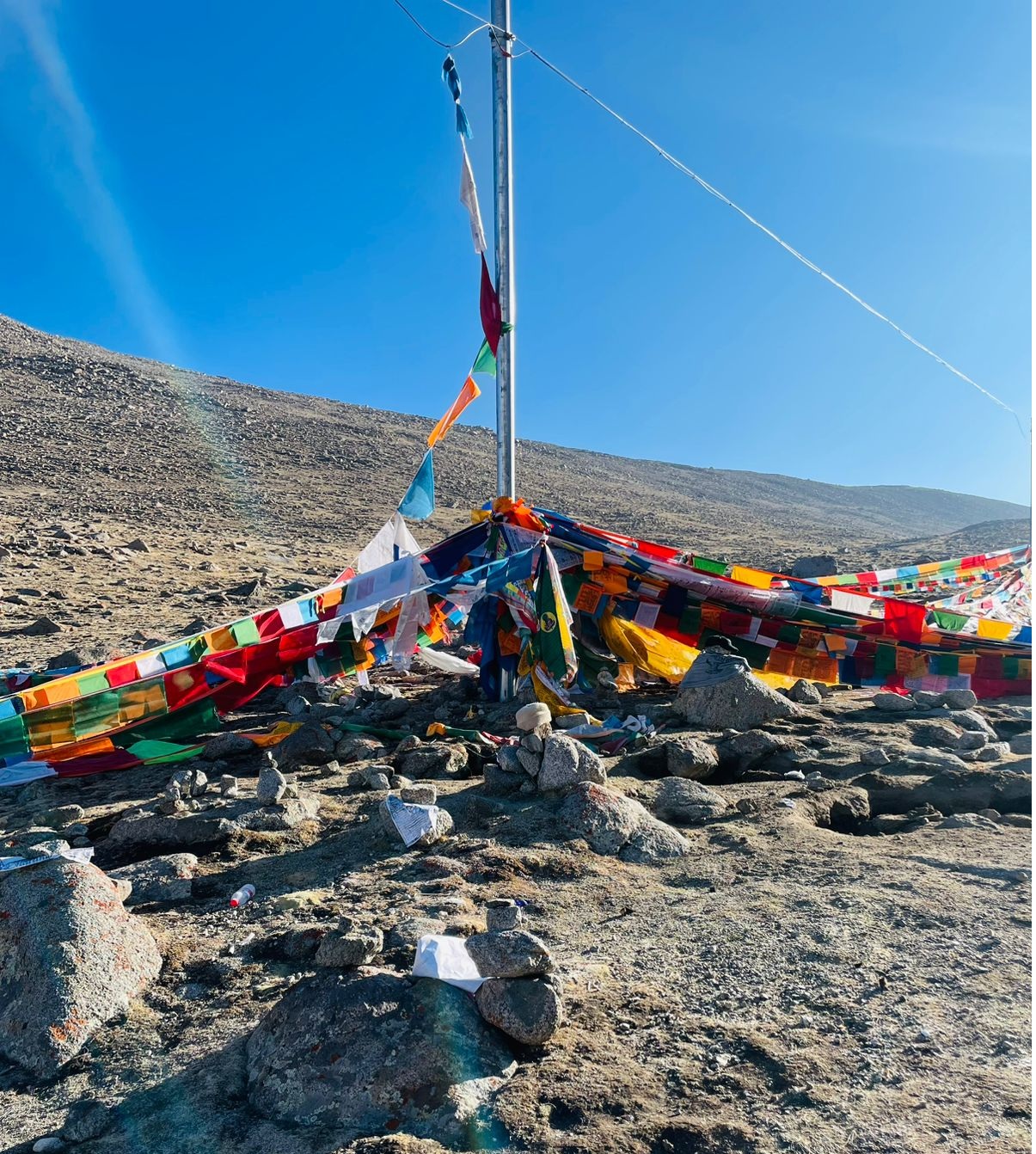
Journey to Tarboche before dawn, the gathering place for thousands of monks and pilgrims. Watch the prayer pole from the previous year being lowered, then replaced by fresh five-coloured prayer flags and finally the huge flagpole being raised with chanting, incense, horns and drums. After the ceremony, the pilgrims commence the holy Kailash Kora from nearby Yamdwar.
Take in the ambiance, take part in the rituals and interact with pilgrims from distant lands. The guide will also give you insights into the festival and its relation to the Buddha. After visiting the place, you can drive back to Darchen, take a halt there and rest for the onward journey the following day.
Note for 2027: On June 18, 2027 (Friday), the Saga Dawa Festival is celebrated at Tarboche. During this holiest ceremony, the annual Tarboche Prayer Flag Raising Ceremony will be conducted on the 10th day of your trip for the fixed departure of June 13, 2027, as it will allow the pilgrims to participate in the event before taking the holy Kailash Kora.
Note for 2028: On June 07, 2028 (Wednesday), the Saga Dawa Festival is celebrated at Tarboche. Pilgrims come every year to Tarboche on festival days for the festival on the 10th day of the fixed departures starting on June 02, 2028, in time for the ceremony before proceeding with the Kora (holy circuit) around the holy Mount Kailash.
Note for 2029: In 2029, the dates for the Saga Dawa Festival are to be confirmed based on the Tibetan luni-solar calendar. The Saga Dawa Festival Departure in 2029 is tentatively scheduled so that Day 10 coincides with the Saga Dawa Festival, allowing all pilgrims to observe the festival before embarking on the Kora. Official departure dates will be published once the Tibetan calendar is announced.
- Travel Tip: Get there before sunrise for a prime position during the ceremony. Bring a warm base layer to shed as the sun rises; respect any religious practices; do not stand directly in front of any worshipper; get permission from anyone you photograph, especially monks or pilgrims; and never walk over the prayer flags.
- A secret photography spot: Most people make the rush to get in front of the flagpole to see the ceremony; instead, the more seasoned photographers know to head up slightly where the ceremony can be photographed with Mount Kailash and the thousands of pilgrims in the background. Light works best between sunrise and mid-morning.
- Cultural secret: The first circle of the flagpole is usually for monks and senior devotees, so give them respect, give them some room, step back, and you’ll be able to take in the whole ceremony better.
Guesthouse
Breakfast, Lunch, Dinner, Tea/ Coffee, Hot Water / Mineral Water- (Veg. Meals by Nepali Sherpa Team)
4910m
6 km drive to Yamdwar + 12 km trek to Dirapuk
15 mins drive + 5 - 6 hours steady trek
5 - 6 hours
The day will start with a drive to Yamdwar, the symbolic beginning of Kailash Parikrama. This is where you will offer prayers before moving further to begin your trek. You start walking on a trail that heads through the valley towards Mount Kailash. The trail will be wide and not very steep, a gentle beginning to the kora.
As you proceed further, you will find Mount Kailash coming nearer with whatever little distance you cover, the shape of the north face is getting more and more defined. You will be sharing the road with other pilgrims, yaks hauling supplies, and local guides. It will feel as if the atmosphere has a mission.
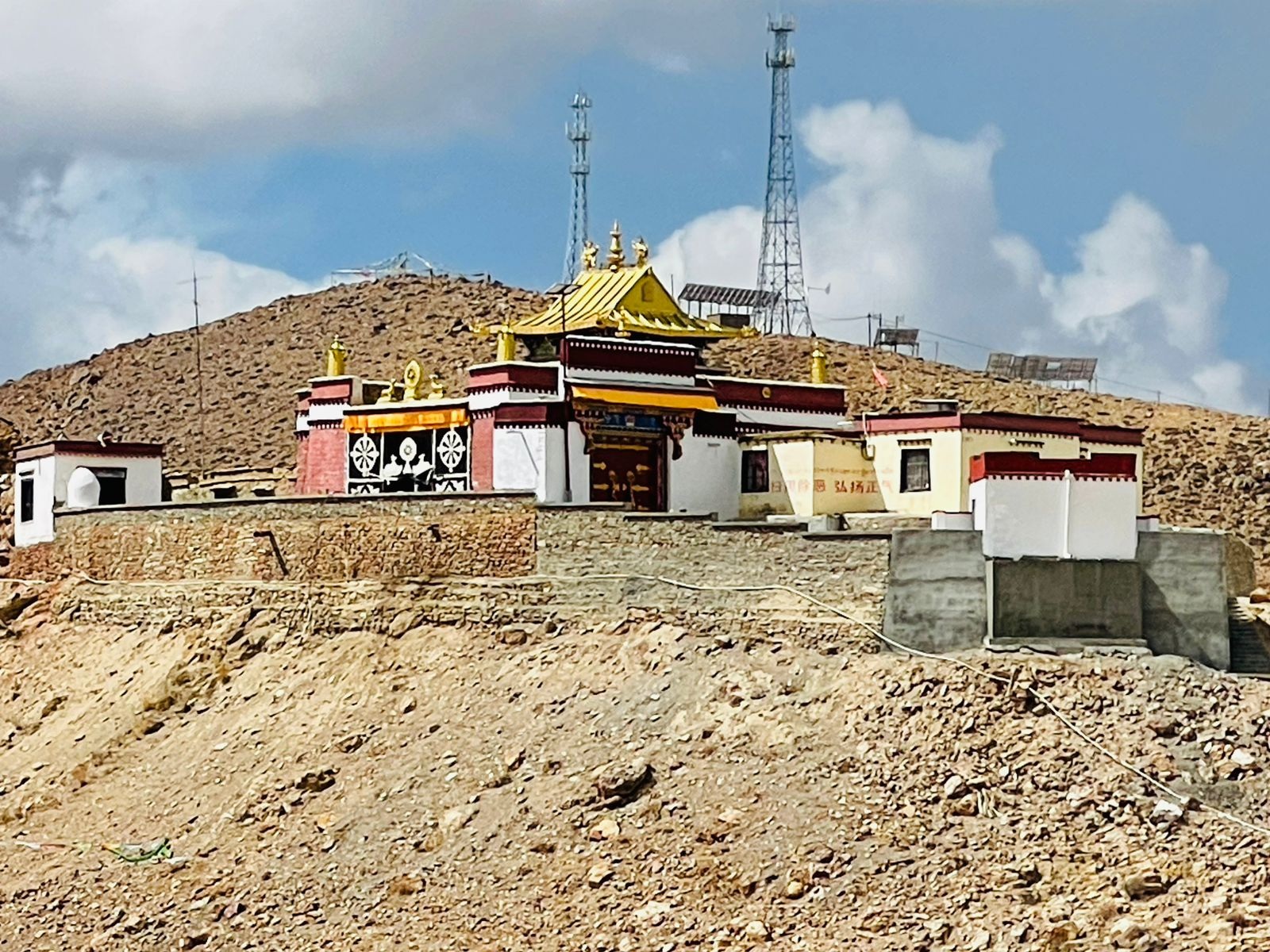
Regular breaks for rest and hydration will be scheduled. By late afternoon, you will arrive at Dirapuk, where you'll stay overnight. You can enjoy one of the most direct and strongest views of Mount Kailash from here, before you take a break.
Insider’s tip: Many Tibetan pilgrims undertake the Kora in silence. This section of the trek is to be considered one of reflection, and as such, there is an incredibly hushed feel about it.
Guest House
Breakfast, Lunch, Dinner, Tea/ Coffee, Hot Water / Mineral Water- (Veg. Meals by Nepali Sherpa Team)
5630m
22 km trek
8 - 10 hours of strenuous trekking
4 - 5 hours steep
4 - 5 hours
Get up very early, this day of your circumambulation is likely to be the most challenging of the whole tour. You will start walking early in the morning after having breakfast. The path gradually ascends towards Dolma La Pass, which is the highest altitude during the whole parikrama.
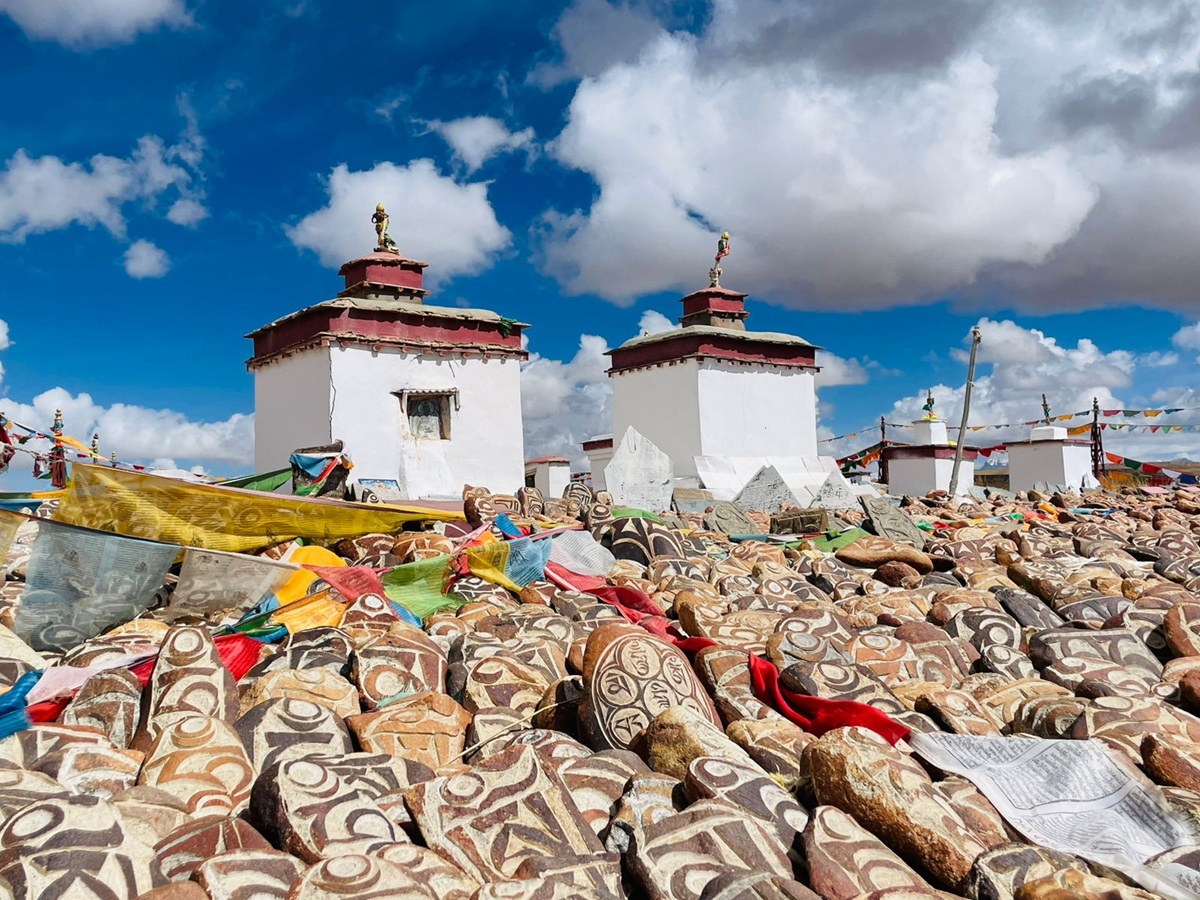
Due to the height and the steep trail, you will proceed at a slow and steady pace, stopping to admire the prayer flags that flutter all the way and to observe pilgrims leaving offerings on the sacred stones.
Reaching the summit, the Dolma La Pass is a wonderful spiritual sight to behold; colourful flags will greet you along with a rewarding sense of having reached the peak of your kora.
Following this break for a few minutes, you’ll proceed with the challenging descent of the same route, and soon after having crossed the sacred lake Gauri Kund, the path becomes gradually less steep as you approach your destination - Zuthulpuk. Arriving at the guesthouse in the late evening, your body will be sore but your spirit enriched by a tough yet rewarding day. A great alternative to the guesthouse here would be to take an early departure and make it to the hot springs at Tirthapuri after the descent.
Travel tip: The colourful prayer flags are never taken home as souvenirs. Each flag is personally tied and holds significance, and they should never be removed or disturbed by visitors.
Guest House
Breakfast, Lunch, Dinner, Tea/ Coffee, Hot Water / Mineral Water- (Veg. Meals by Nepali Sherpa Team)
4790m
10 km flat trek (to ending point) + ~480 km drive back to Saga
3 hours walk + 7 - 8 hours drive
3 hours
You can look forward to a gentle walk today as we depart Zuthulpuk on the last day of your Kailash Parikrama. The terrain to walk on today will be mainly very flat and will give your body a chance to recover after all the physical exertion you have gone through. Along your walk, you will be surrounded by this huge valley, which has running water from the many streams that run through it and lots of boulders and prayer flags placed throughout the trail.
As you continue on the kora and get closer and closer to the end, you will begin to feel a greater sense of accomplishment. Once you reach your final destination, your transport will be waiting, and you will have time to rest before continuing back to Saga after lunch.
Again, the journey back to Saga could be considered somewhat meditative. You will have an opportunity to reflect back on the spiritual and physical challenges of the last few days in a quiet and private manner.
Standard hotel with attached bathroom in Saga
Breakfast, Lunch, Dinner, Tea/ Coffee, Hot Water / Mineral Water- (Veg. Meals by Nepali Sherpa Team)
4640m
310 km total
10 - 12 hours
You will be up early and start the long journey back towards Kerung, with blooms on the tor with new flora. Once again, you will cross the Tibetan plateau, where open views across an expanse and of distant mountains are familiar sights along the route. You will have breaks and meal stops throughout the tour.
The landscape will gradually transform as you get closer to Kerung, where it will be greener and more populated. You say goodbye to Tibet, get through customs and get back to Nepal. This may take a little while, so you will want to be patient.
After all the formalities, you resume your journey to Kathmandu. The ride back will not be so much fun as you prepare to enter the busier world again. In the evening, you will check into your hotel and enjoy a pleasant stay in Kathmandu after the long travel day.
Standard hotel with attached bathroom in Kerung
Breakfast, Lunch, Dinner, Tea/ Coffee, Hot Water / Mineral Water- (Veg. Meals by Nepali Sherpa Team)
1400m
Minimal
Entirely at leisure
This day will serve as a buffer for delays along the way. If everything goes as planned, your day will be a slow-paced day in Kathmandu. You can have a relaxed breakfast and give sufficient break to your body after this arduous journey and trekking process. You have the option of going to the neighboring markets for shopping that includes handmade products, prayer items, and souvenirs.
Additionally, you can also revisit temples or take a peaceful walk through the towns. This would be a day for you to rest your body physically and contemplate your experiences of Kailash and Mansarovar. Your guide will be available in case there are any plans to work out. That night you all get together for one more get-together: a good bye supper with shared tales and memories.
Breakfast
1400m
6 km (Hotel to Airport transfer)
20 - 30 minutes drive
Given that your booked flight departs from today you could make the most of an early bird breakfast at your hotel before preparing for your departure flight. After check-out, you must be able to make a final inventory check of your belongings and must have all the required travel documents ready. Our local representative will make the appropriate transportation arrangements for your transfer to the airport with plenty of time for security and check-in.
Once you arrive at the airport, you’ll go through the departure procedures to prepare for your flight. You’ll come home with vision, unity through nature, and an experience that illustrates your Kailash Yatra and Saga Dawa Festival.Based on your scheduled departure, you may avail of breakfast before departure from the hotel today. You’ll perform a final check on your possessions and also ensure that all travel documents required for your journey are in order.
Your tour representative will arrange your transfer to the airport to ensure you have adequate time for check-in and security clearance.
Once you arrive at the airport, you’ll go through the departure procedures to prepare for your flight. You’ll come home with vision, unity through nature, and an experience that illustrates your Kailash Yatra and Saga Dawa Festival.
Pilgrim Tip: Make sure to have any holy water brought back from Lake Mansarovar placed into a tightly sealed container in your checked luggage so that there are no accidents. Check your particular airline’s rules and limits concerning carrying liquids in your carry-on baggage in order to avoid spillage and pass through the airport safely and securely.
Breakfast
The food options in the Kailash Yatra circuit tend to be utilitarian and plain. Guesthouses in Darchen and Saga typically offer a repertoire of rice, noodles, stir-fried vegetables, lentil soup and eggs. You may see some meat on your plate, but given the long distance, the freshness is questionable
In the Saga Dawa month, several locals adopt a vegetarian lifestyle, so most meat dishes disappear.
On the Parikrama, at the Dirapuk and Zuthulpuk teahouses, expect instant noodles, boiled potatoes, vegetable soup, and Tibetan bread. Hygiene levels in the kitchen vary. The setups are primitive and generally lack any refrigeration. Raw salads and untreated water tempt many travelers – they pay a hefty price for stomach infection at an altitude of 4,500 meters, where dehydration significantly exacerbates the symptoms of altitude sickness.
Energy bars, ORA’s (oral rehydration salts) and water purifying tablets are important to carry along.
Make sure that the food is hot and freshly prepared. At high altitudes, don’t overeat, since your appetite decreases and attempting to eat a large meal can make you nauseous and fatigued.
Darchen, the gateway town for the Kailash Parikrama, can provide basic guesthouse accommodations featuring shared baths, basic mattress sleeping pads, and unpredictable heating. When it’s Saga Dawa time, all the beds are occupied.
People who don’t prebook their accommodations in this place find themselves desperately uncomfortable at 4,560 meters (14,960 ft) above sea level.
In the teahouses along the trail, during the parikrama, you can expect to stay in dormitories in the teahouses at Dirapuk and Zuthulpuk.
Some teahouses even have a tendency to run out of blankets entirely on a cold night. A lot of trekkers aren’t prepared for the amount of mental hardship experienced by failing to get a decent sleep on an exhausting day of trekking when they’re at the altitude they are on this parikrama.
In Manasarovar, the guesthouse options are slightly better than Darchen, but can still come with problems with hot water availability or heating, and many offer a distinctly lacking standard. So make sure that your accommodations are secured with your licensed Tibet tour operator two months prior to the dates of your Saga Dawa trek.
You can walk into book accommodations along the trail for yourself without a travel agency at this time.
We are team of professionals who share a common devotion to the outdoors and are commited to world travel.
Mr. Pem Chhotar Sherpa was born in Solukhumbu. He lived in his village for 16 years and studied under a Lama called Tawa in local language. He used to work as a porter while in Solukhumbu. His maternal uncle has a trekking company and he w...

Originally from Manaslu, Gorkha, and with 23 years of experience, Mr. Chet Prasad Bhatta now serves as the Managing Director at Classic Vacations Nepal. He is a young, energetic, and dynamic leader in mountain tourism in N...

Mr. Lok Bhatta is one of our best and professional guide in the company. He has been guiding with us from last 12 years. He have trekked over to our major trekking region of- Everest Region, Annapurna Region, Mustang Region, Manalsu Region, Langtang Region etc. He is...


This journey from Lhasa to Mount Kailash normally starts from overland drive to Darchen with a brief stop at Shigatse and Saga. The journey between cities is by authorized vehicle; local transportation is not permitted for foreign travellers.
However, the road conditions in China's high plateau are mostly unpaved and rocky through remote, vast valleys, at high altitudes (more than 4500 meters), and prolonged hours on a bus can be exhausting, too.
Mount Kailash Kailash Parikrama for the 52-km distance involves hiking or hiring pony services to help carry your gear.
Pony service bookings are conducted at Darchen via your travel guide. Prices jump significantly, especially during Saga Dawa(the 4th month, 15th day of the Tibetan calendar), when there is a large crowd of pilgrims arriving from around the world.
Please be cautious and do not attempt to book a pony at the last minute of your Parikrama trip to Kailash. Many people would like to book a horse in the early morning.
There are several official permits to visit Mount Kailash and Lake Mansarovar, which have to be approved by the government of China. A private visit is also not possible. You have to hire through an authorised Tibet Travel Agency.
For entry via Tibet Autonomous Region, you need:
A Tibetan Travel Permit is what the Chinese government considers essential to let foreign nationals enter the "Tibet Autonomous Region." The Tibet Autonomous Regional Tourism Bureau only issues the permit when arranged by one of the government-approved Tibet travel agents.
You will not be able to obtain a TTP on your own. This permit is required for boarding flights or trains to Tibet at several checkpoints in the T.A.R., and is required to be a valid form of entry.
To process this, you'll usually need a week to two weeks (10 to 15 work days) once all your information, such as a copy of your visa and a copy of your passport, is received.
Alien’s Travel Permit is required by foreign travellers to visit restricted regions out of Lhasa, such as Shigatse, Saga, Darchen, which lies in the close vicinity of Mt. Kailash. It is provided to you on your entry into the province by the Public Security Bureau.
The permit will likely be arranged on your part by your guide either in Shigatse or Lhasa, and is inspected by authorities at check-posts of each region.
No traveller can proceed further to Mt. Kailash or Lake Mansarovar without this permit. The permit costs typically come under the general tour package.
Military Permit allows travel in restricted areas close to the Indian and Nepal border region, as close to Lake Mansarovar and Mt. Kailash. A military permit is needed as the Chinese government controls all these restricted areas close to the borders of the neighbouring countries, India and Nepal.
This Military permit application is processed on your behalf by the tour operator before you depart for the region.
These permit processing takes several weeks longer than the others, and late travelers are sometimes in a situation where processing is still pending at the border.
The Foreign Affairs Permit is used for extra politically sensitive regions of western Tibet. While not spoken of as frequently, it is usually also required by the officials in order to arrange any travel itinerary that heads toward Kailash, with travel agencies dealing directly with their respective foreign affairs offices in the region.
This confirms your journey conforms to their arrangements, and without it, you can be stopped at checkpoints. This permit is also packaged into any of the more organized Kailash tour packages.
All travelers need a valid Chinese visa (if traveling overland via China, this will be a standard Chinese Tourist visa; if entering Nepal, a Group Tourist visa will be issued by the authorities in Kathmandu). This replacement Group Tourist visa supersedes any original China visa; travelers mistakenly apply independently, then are forced to change to join a Nepal Departure group. Ensure with your operator which procedure applies, not your government embassy!
If departing to China from Nepal, you will obtain a Group Tourist Visa in Kathmandu instead of a Chinese visa. Many travelers are in error when obtaining visas individually at embassies in China before departing to Nepal as part of a Group. That visa then gets replaced.
Keep at least two copies of your passport printed out and on your person at all times. Procedures at the checkpoint between Lhasa, Shigatse, Saga and Darchen are very serious, and no jokes are to be made or tried.
Your tour operator applies for all Tibet permits after you submit:
Passport scan
Chinese visa copy or Nepal entry details
Travel dates and itinerary
Usually, the processed document is issued within 15-20 days. During the Saga Dawa festival, security controls over permits may get strict because of the high number of pilgrims and last-minute reservations may be canceled or delayed.
Don’t buy an international flight ticket until you get the confirmed permit; I have seen travelers miss non-refundable fares for which they booked.
Permit costs are usually bundled into your tour price. You rarely pay them separately. Major cost components include:
Tibet Travel Permit processing
Restricted area permits
National park entry fee for Mount Kailash
Environmental protection fee
Saga Dawa festival event logistics
The price of tours throughout Kailash increases during Saga Dawa, driven by the surge in tourism, demand for vehicles and a lack of accommodation in the region.
Verify every inclusion of your package. Some tour packages do not offer coverage for your pony rental, the cost for a porter, or emergency rescue coverage. Confirm this on paper prior to placing a down payment.
You are unable to acquire permits for Kailash separately from a licensed travel agent. This requirement falls to a licensed Tibet tour agent, and pre-trip planning will make you less stressed about financial and emotional burdens.
When you think of Tibet, you envision snow-capped mountains, endless skies, and stunning scenery. But there is a much higher order here, the devout Tibetan Buddhist faith. And perhaps more importantly, there are many, many festivals throughout the year.
Still, the pinnacle and most sacred of these is the Saga Dawa festival, which takes place on the 15th of the 4th month in the Tibetan lunar calendar, and in 2026 this falls on 31st May. It doesn’t matter what they say, this month is considered and marked as one big day of love, devotion, compassion and pilgrimage.
Saga Dawa, the "Festival of Enlightenment" or "Buddha Day," is also referred to as Vesak in Buddhist communities outside of Tibet. Saga Dawa marks the trinity of the spiritual life of Gautama Buddha: his conception, the attainment of enlightenment (which means an "opening" in a psychological, emotional and spiritual sense) and nirvana (or nirvana, release, that is "freedom").
These three important dates took place on a single day, on the 15th of the 4th moon, and are thus considered of great significance in the spiritual year. Tibetan tradition suggests that the merits accumulated through acts of kindness, self-denial and prayer increase a thousand-fold during the month.
Many forms of benevolent actions are observed, and in Saga Dawa, acts of generosity and self-study take place with particularly devout dedication to charitable practices.
A special charity known as the alms-giving ceremony for monks and other poor persons usually takes place on the fifteenth day. People offer alms (rice, tea, butter, butter tea and money in an old butter tea pot, sometimes) to all monks as well as the destitute in the country. So in a humorous sense, Saga Dawa is affectionately referred to as the "Poor People's festival".
The most vivid expression of this phenomenon is the outburst of pilgrimage. In Lhasa, thousands of people line up along the Lingkhor Road, engaged in kora, that is, walking around sacred places, clockwise.
During the festival in Lhasa, the mood is one of both devotion and mirth. The lands stretching before the Potala Palace, as well as at the Dragon King Pool (Zongjiao Lukang), are packed with Lhasa inhabitants and pilgrims. While prayers are performed, people celebrate the turn of spring through picnicking and enjoying the time with family and community.
Experiencing Saga Dawa can be an overwhelming affair, and one can carry indelible memories from the trip, but it’s the reverence and respect for the traditions that make it so.
Do spin the prayer wheels clockwise, never touch religious effigies and scriptures, don’t smoke at monasteries, and never touch someone’s head. Butter tea should be received with both hands in deference when served by the host.
Saga Dawa isn’t merely a festival, but an ode to the Tibetan Buddhist way of life, and when you are lucky enough to find yourself in the thick of it, you will witness an amazing demonstration of faith, compassion, and rebirth.
Outer Kora is the traditional and most popular pilgrimage circuit around Mount Kailash. With a distance of almost 56 kilometers, this spiritual trek usually takes anywhere from 3-5 days and starts and ends in Darchen, a small village. On the outer circuit, one can experience the vast Tibetan plateau with sweeping valleys, interesting rocks and an unparalleled ever-changing vista of the mountain peaks.
Besides the incredible terrain, the pilgrimage passes through sites of spiritual importance, including the placid lake Mansarovar, the holy, demon’s lake known as Rakshastal, etc.
It goes through the Dirapuk Monastery that commands a spectacular view of the north face of the holy peak. Later it ascends to a pass of around 5,630 meters height known as Dolma La Pass (the highest point), and after which it descends to another monastery, Zhulthulphuk monastery and finally to Darchen. It is believed to wash out sins from the world in one lifetime.
Inner Kora is a far less travelled and much tougher route that goes in far more proximity to the hallowed heart of Mt. Kailash. At a distance of around 30 km, it would require two to three days for you to finish it, while, as the outer, this trek would begin and terminate at the town of Darchen.
Inner Kora is relatively short but quite an arduous trek, as it consists of climbing steep slopes, uneven paths and some quite rugged terrains, which would surely strain even the most adventurous travellers.
Along the way, you will explore different monasteries (Selung Monastery), sacred structures (Thirteen Pagodas, Gyandrak Monastery), as well as a number of symbolism-imbued mountain passes.
The sceneries are very satisfying; Nandi Parvat (Lord Shiva's mount), the Saptarishi Caves, Ashtapad, Atmalingam, as well as Kuber Kund, all hold immense religious and mythical values in both Buddhist and Hindu cosmology. The Inner Kora trail is mainly favoured by spiritual devotees who go all the way to be extremely close to Mt. Kailash.
The Sagar Dawa festival in Lhasa is culturally extreme, but physically low-key. Much of the day involves walking around a kora – barkhor and lingkhor – at 11,975 ft. The altitude means you’ll have headaches, the hiccups (or more serious ones), shortness of breath, and trouble sleeping if you haven’t acclimatized yourself properly before you land in Lhasa.
The crowds reach a tipping point on the full moon, and the slow movement can lead to overload.
Don’t forget to rehydrate, the high altitude plateau will steal all the water in your body in a few hours of walking around the circle.
But the trek is a tough one and physically challenging too. You’re expected to walk at least 5-7 hours a day over the steep and rocky slopes while crossing a whopping 5,630 meters high Dolma La Pass as part of the 52-56 km Outer Kora trek (3 days).
Due to the height, the air is much thinner. The risk of experiencing Acute Mountain Sickness is high, and two primary reasons hikers fall victim is by climbing too rapidly and neglecting symptoms like nausea or headache in their initial stages.
The weather can change abruptly, and the accommodations are basic guesthouses with limited facilities to help you recover for the next day (heated common rooms and toilets).
While the Outer Kora is a challenging task, the Inner Kora trek is much more strenuous than the Outer Kora. It requires not just adequate preparation in terms of fitness, but also the ability to withstand fatigue and altitude.
Therefore, physical preparation, wearing multiple layers, being prepared for all types of weather and basic hygiene in simple hotels are extremely crucial.
Saga Dawa is known to be the most auspicious month of the Tibetan Buddhist calendar. The month celebrates three major events in Buddha Shakyamuni's life: the Birth, the Enlightenment, and his Parinirvana. The actual festivities, however, occur on the full moon day of the fourth Tibetan lunar month. Thousands of pilgrims from across the world gather near the Sacred Mountain Kailash for prayer, ritual chanting and the Sacred Kora.
The best time is undoubtedly during the Saga Dawa Festival of the year. Generally observed in either May or June (depending on the Tibetan lunar calendar), it provides the best opportunity for the most sacred spiritual pilgrimage tour experience at Mt Kailash. It is also possible to plan the visit to coincide with the full moon of any given month.
Absolutely not, trek experience is not compulsory. Nevertheless, some basic cardiovascular and light endurance training, as well as a regular walking regimen before departing for your Kailash expedition, can be very beneficial for a more comfortable journey.
The Saga Dawa is considered the busiest trekking season for the Sacred Mount Kailash pilgrimage. This is a popular trekking season; therefore, the quantity of Tibet permits, lodging, vehicle arrangement and departure availability is minimal. Accordingly, early reservation of up to six to twelve months beforehand is extremely crucial.
Certainly, for 2027 and 2028, bookings for our Kailash Saga Dawa Festival Tour are already underway. Early bookings are suggested in order to secure your Tibet Permits, hotel bookings and the departure slot itself.
Absolutely yes. You have the option to hire a pony, porter, or both at Darchen prior to commencing your sacred Kora at Kailash. You will need to organize these locally, based on availability during the Saga Dawa festival.
Yes, all of the Kailash tour groups serve basic vegetarian cuisine which may include rice, lentils, vegetable dishes, soup, noodles, chapatti, and tea. On the trekking path during the Kora, however, due to very limited eating establishments on the way, packed meals are common.
The Chinese Yuan (CNY) is the official currency of Tibet. It would be best for you to exchange it in Kathmandu prior to your departure to the border area since there are no money exchange offices and hardly any ATM machines on the way to Kailash.
Pack layers of clothing, waterproof trekking shoes, thermal inner wear, gloves, a windproof jacket, sunglasses, sunscreen, a water refill bottle, trekking sticks, a small flashlight or headlamp, personal medications, and a small day pack, these are crucial even for June weather.
Yes. Because the Kailash region is very high-altitude and in a relatively remote area, high-level comprehensive travel insurance (covering medical treatment and high-altitude trekking) would be essential.





 55 Reviews
  110 Reviews
  205 Trips Reviews