The Lhasa to Mt. Kailash Mansarovar tour via Kerung retrun is considered one of the best spiritual as well as cultural trips to Tibet, as it encompasses the rich historical aspects of Lhasa along with the spiritual vistas of Western Tibet. This 12-day holy expedition would allow pilgrims to get intimately acquainted with the essence of Tibetan Buddhism as it offers one of the finest and acclimatized routes to Mt Kailash.
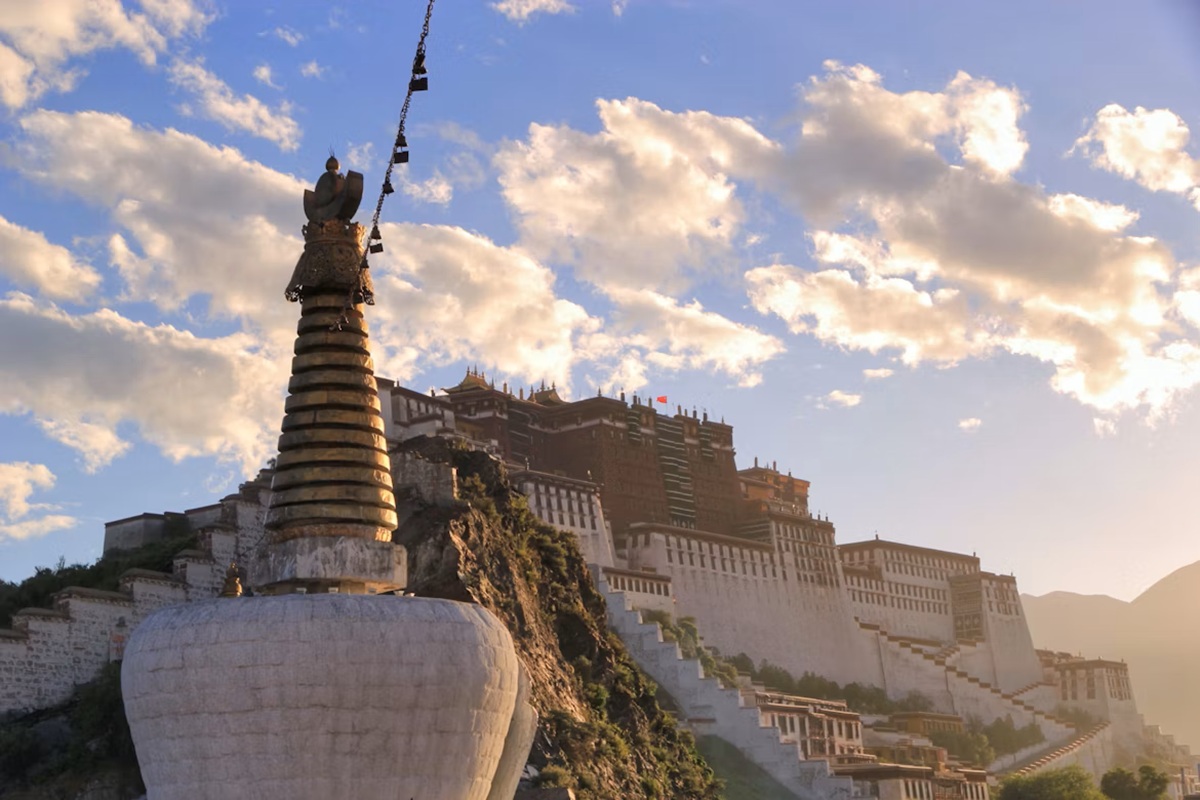
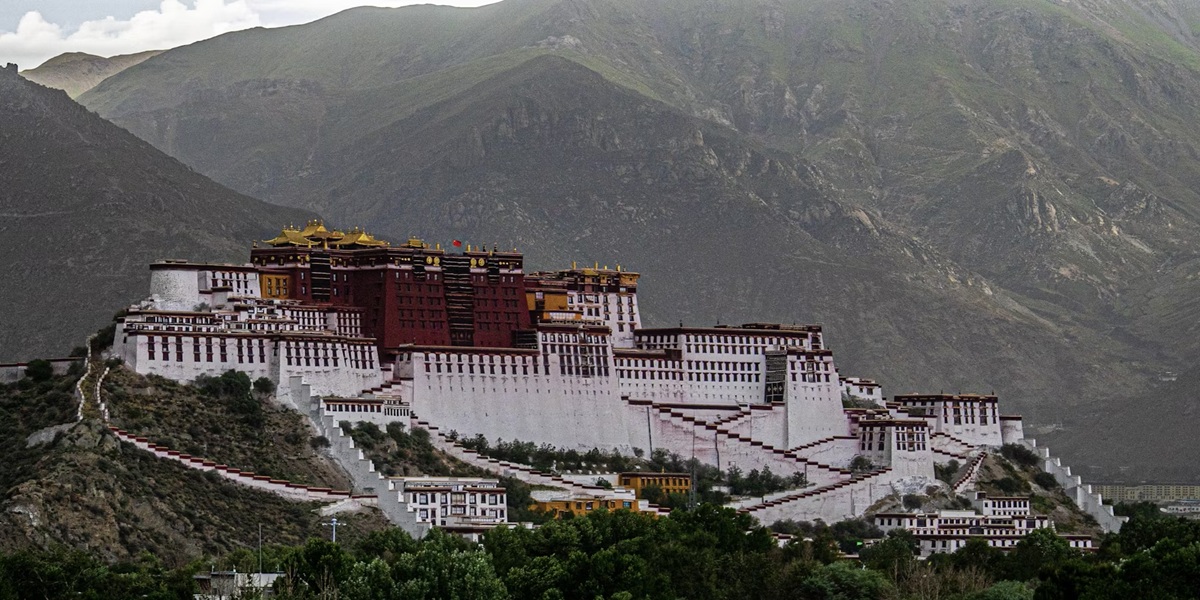
The itinerary for your tour commences at Lhasa, the legendary capital city of Tibet, which serves as the nucleus of all Buddhism-related aspects of the region. Pilgrims get to explore historical destinations like the Potala palace which served as the abode of His Holiness Dalai Lamas, numerous monasteries, holy temples and the lively pilgrimage street.
A further reason why starting in Lhasa (about 3,650 m) is a good base before attempting to climb higher to Mt. Kailash is that you will also gain a very important stage for the gradual acclimatization. As you go further west across the vast Tibetan plateau, you will have the privilege of witnessing spectacular views of the Himalayas, remote settlements of nomads, unspoilt lakes, and fabulous mountain passes.
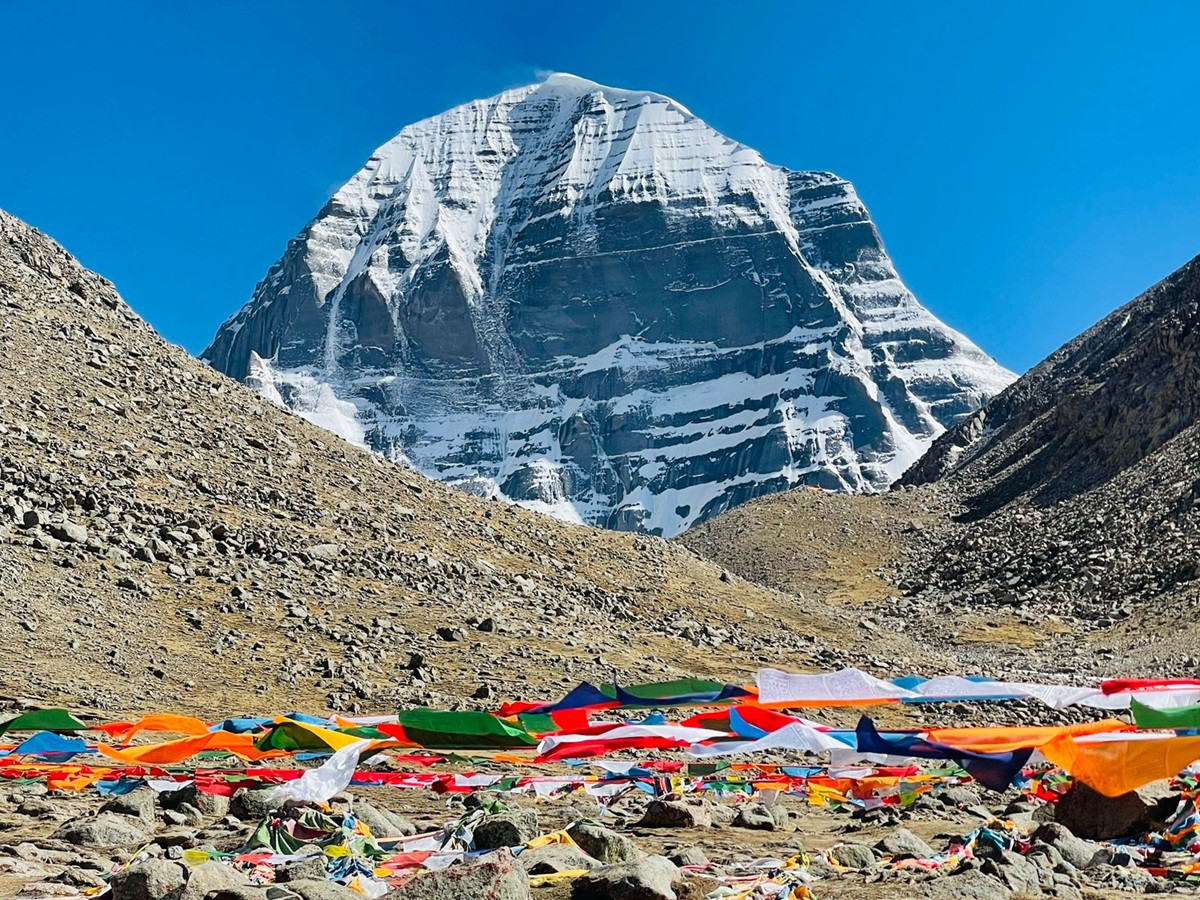
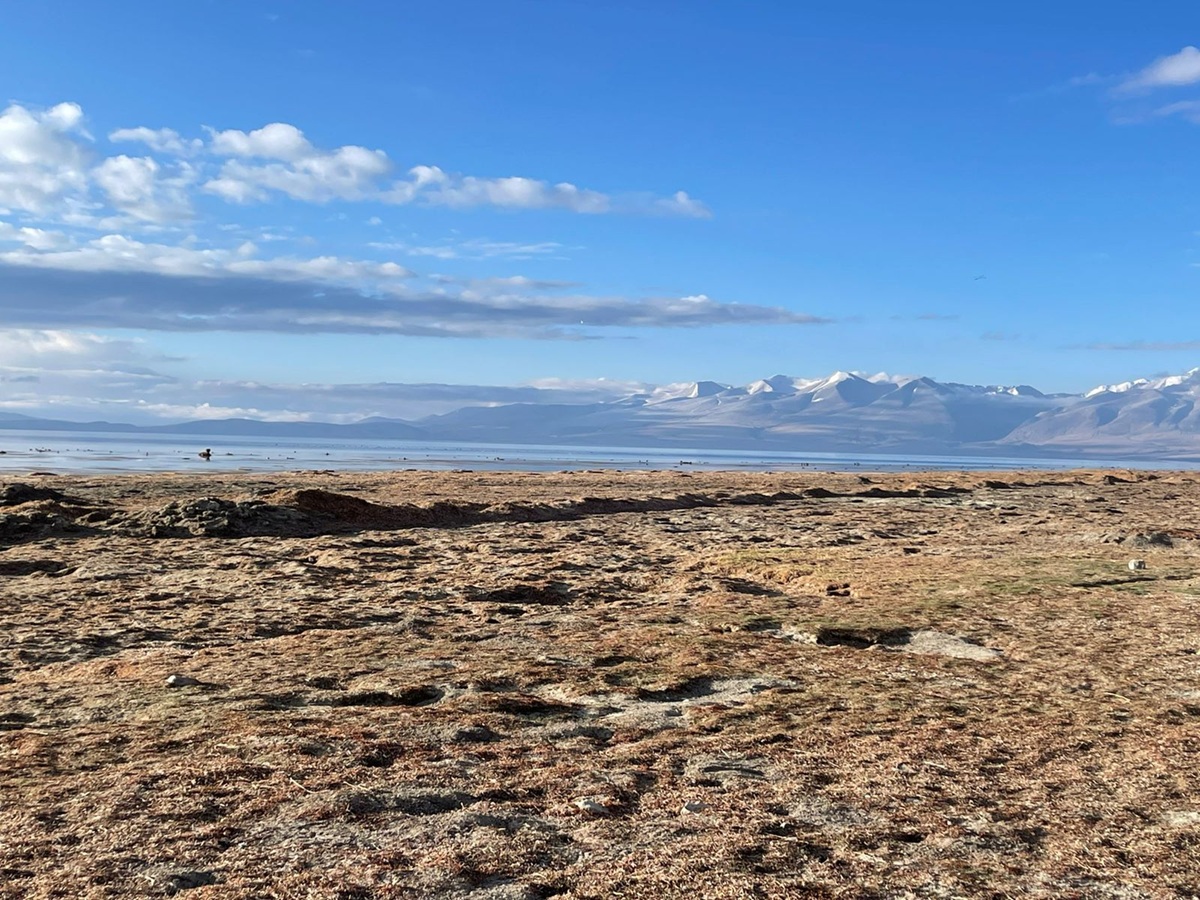
The pilgrimage will proceed to the holy Mount Kailash, a sacred peak to Hindus, Buddhists, Jains, and Bon people, being one of the most sacred spots on Earth. Hindus claim it is the abode of Lord Shiva and Goddess Parvati, while Buddhists regard it as the axis mundi. Another highlight of this sacred pilgrimage is a visit to holy lake Mansarovar- one of the highest freshwater lakes on Earth (at 4,590 m), and to which pilgrims have been coming for centuries to chant, meditate, and perform sacred rituals. The crystal-clear water of Mansarovar symbolizes purity, wisdom and spirituality.
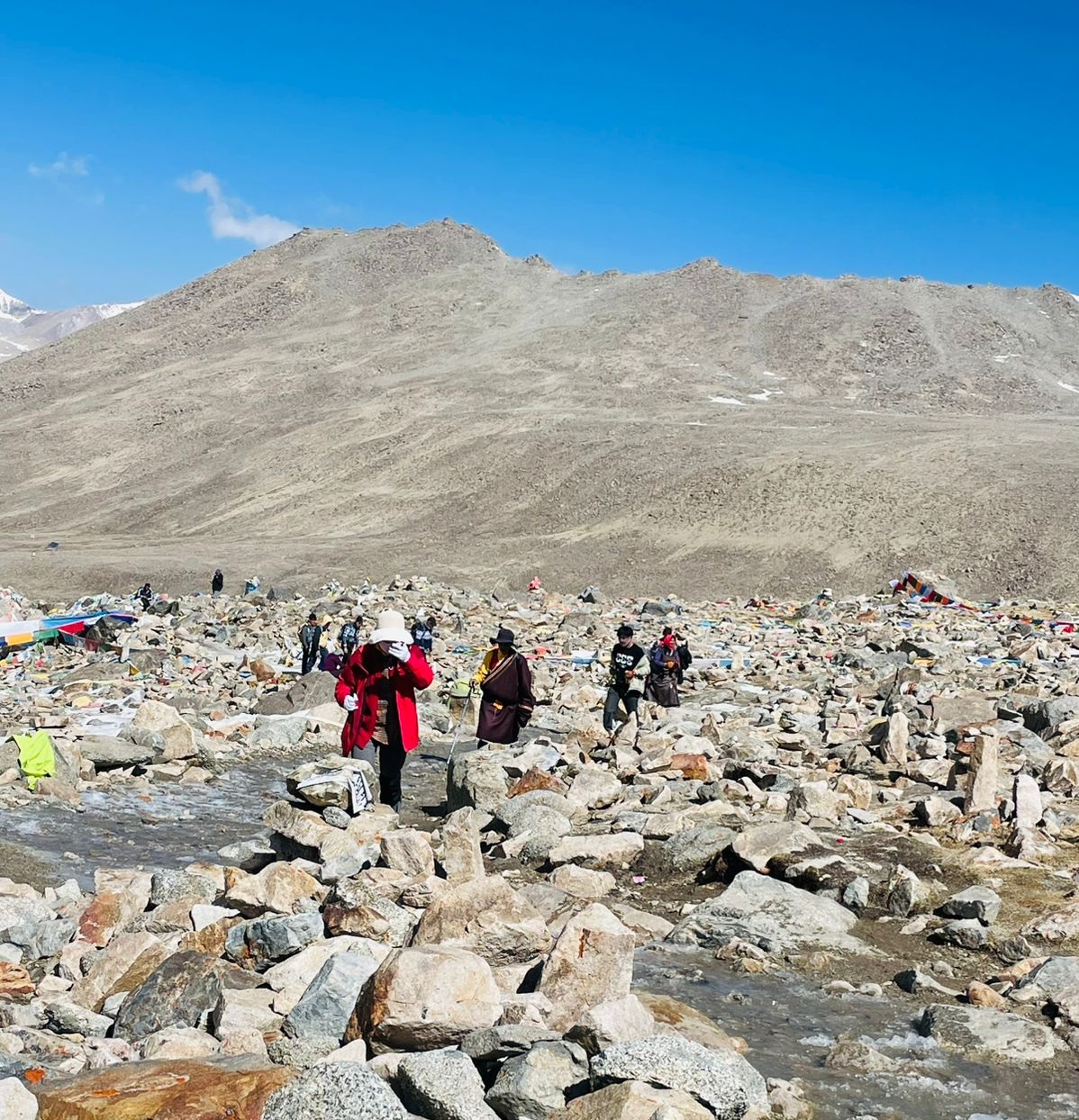
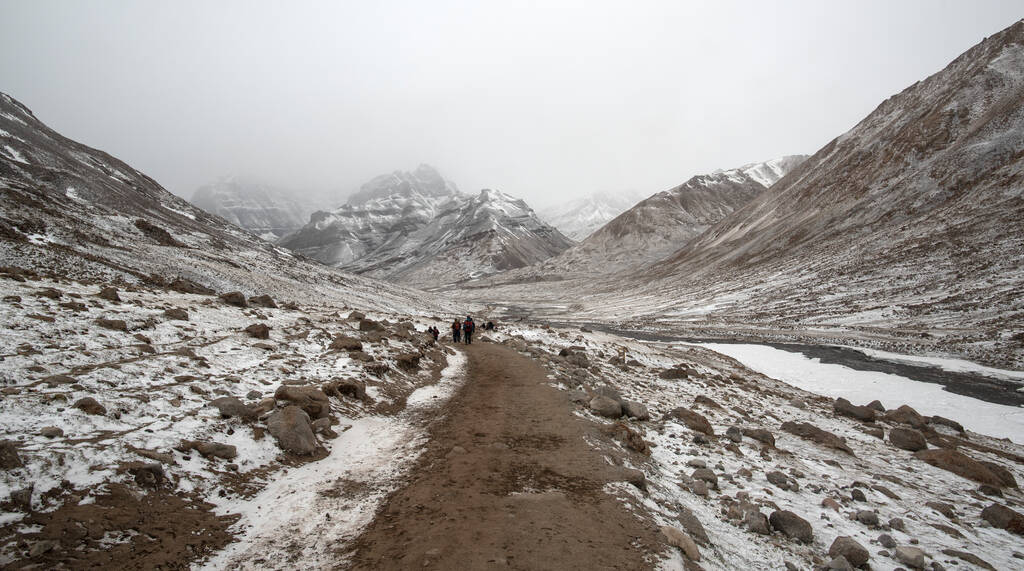
Our greatest spiritual trip is the sacred Mount Kailash Kora (Parikrama), a three-day journey circling the holy mountain. For all the pilgrims, this brings spiritual benefit, purification, and inner awakening as you trek across the notorious Dolma La Pass and witness some of the most majestic and spiritual sites in Tibet.
Ideal for pilgrims, spiritual explorers, photographers and adventurers, our guided small-group tour visits the spiritual sites of Lhasa, Lake Mansarovar and of course the magnificent Kora, and offers a fantastic departure from Kerung, it’s a pilgrimage to the spiritual heart of Tibet not to be missed.









The Lhasa Sightseeing with Mount Kailash Tour is ideally suitable for combining both Tibetan culture and spiritual adventure in one trip. The Kailash journey taken separately could be regarded as a spiritual pilgrimage without having experienced Tibetan culture and history in Lhasa before. Traveling through Lhasa is a good chance for visitors to see more of Lhasa, the capital and holy city of Tibet, and have a proper time to adjust to the high altitude of Tibet before undertaking a holy journey to Mount Kailash and the sacred Lake Mansarovar.
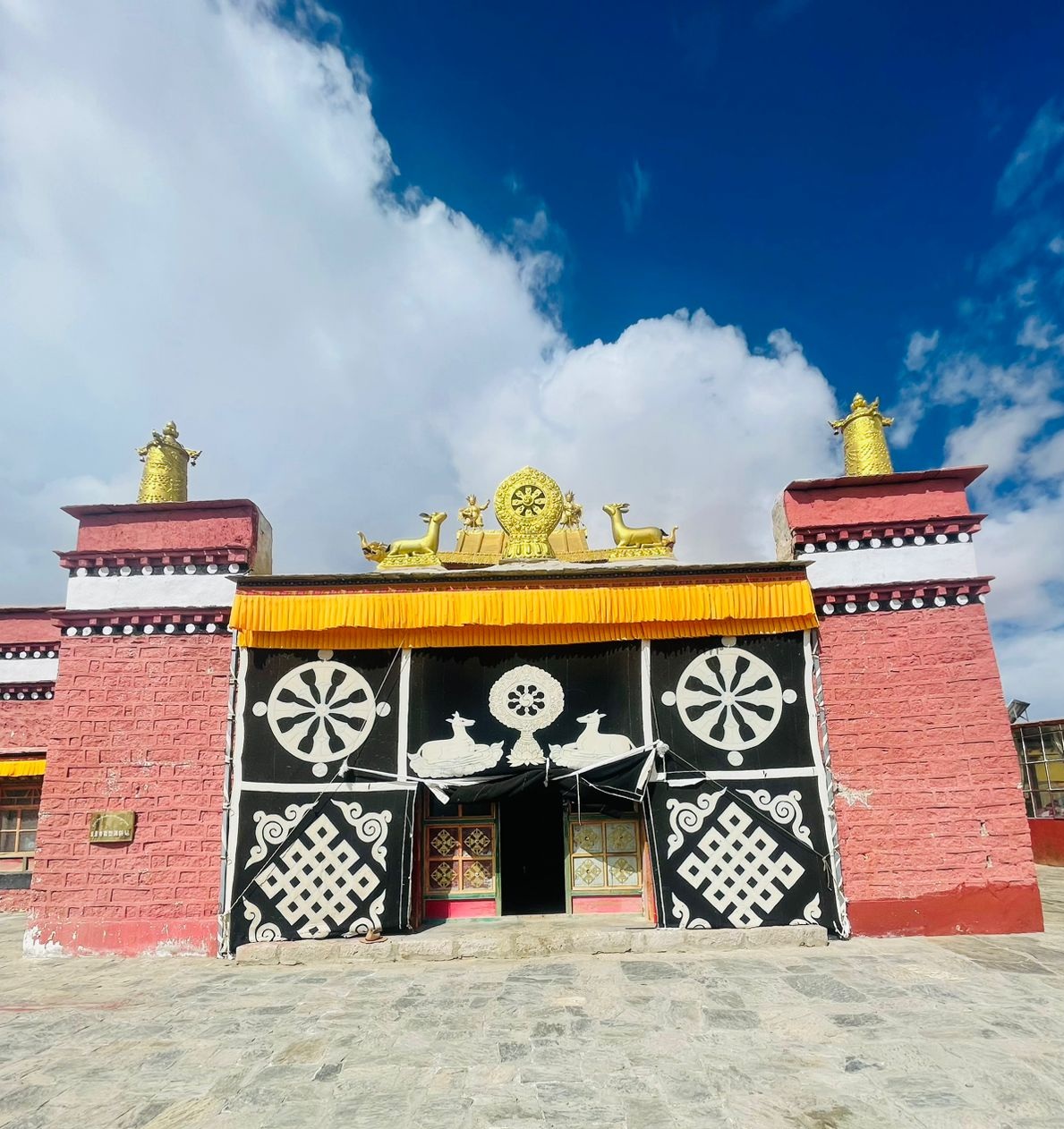
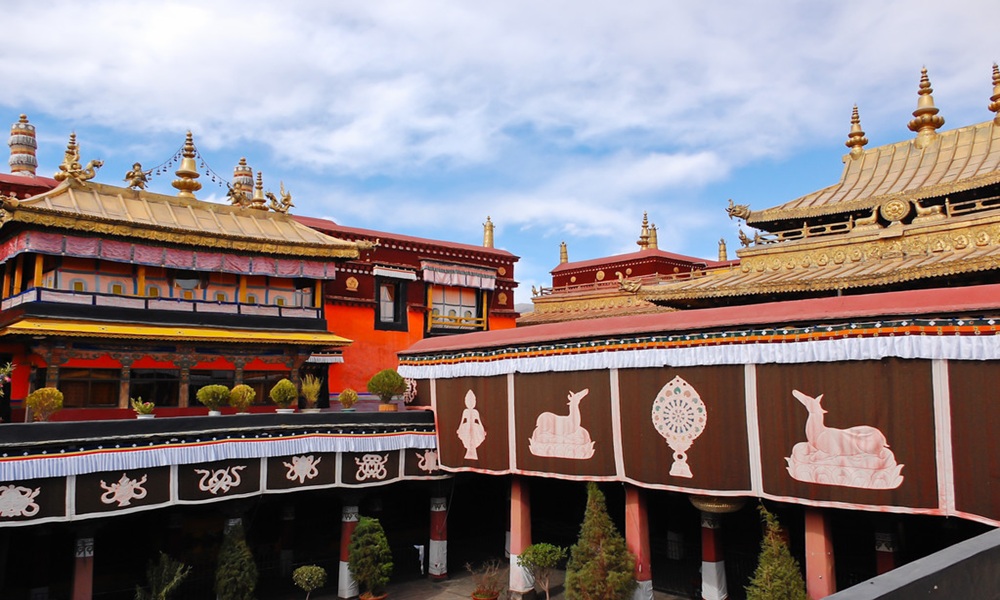
Lhasa, the 'city of Gods', used to be the heart of Tibetan religion and culture for more than 1,300 years, and it also features many of the most important and holy sites of Tibetan Buddhism like the Grand Potala Palace, the sacred Jokhang Monastery and the noisy Barkhor pilgrimage way. Walking through the ancient city gives one a wonderful and clear opportunity to observe the old customs, prayer performances, various monasteries, Tibetan life, etc.
One of the great things about starting your trek in Lhasa is the opportunity to acclimatise. At an altitude of 3,650m (11,975 ft) there is time to ease into Tibetan altitude prior to entering much higher altitudes of Lake Mansarovar and Mount Kailash and thus ensuring you are more acclimatised when walking the Kailash Kora.
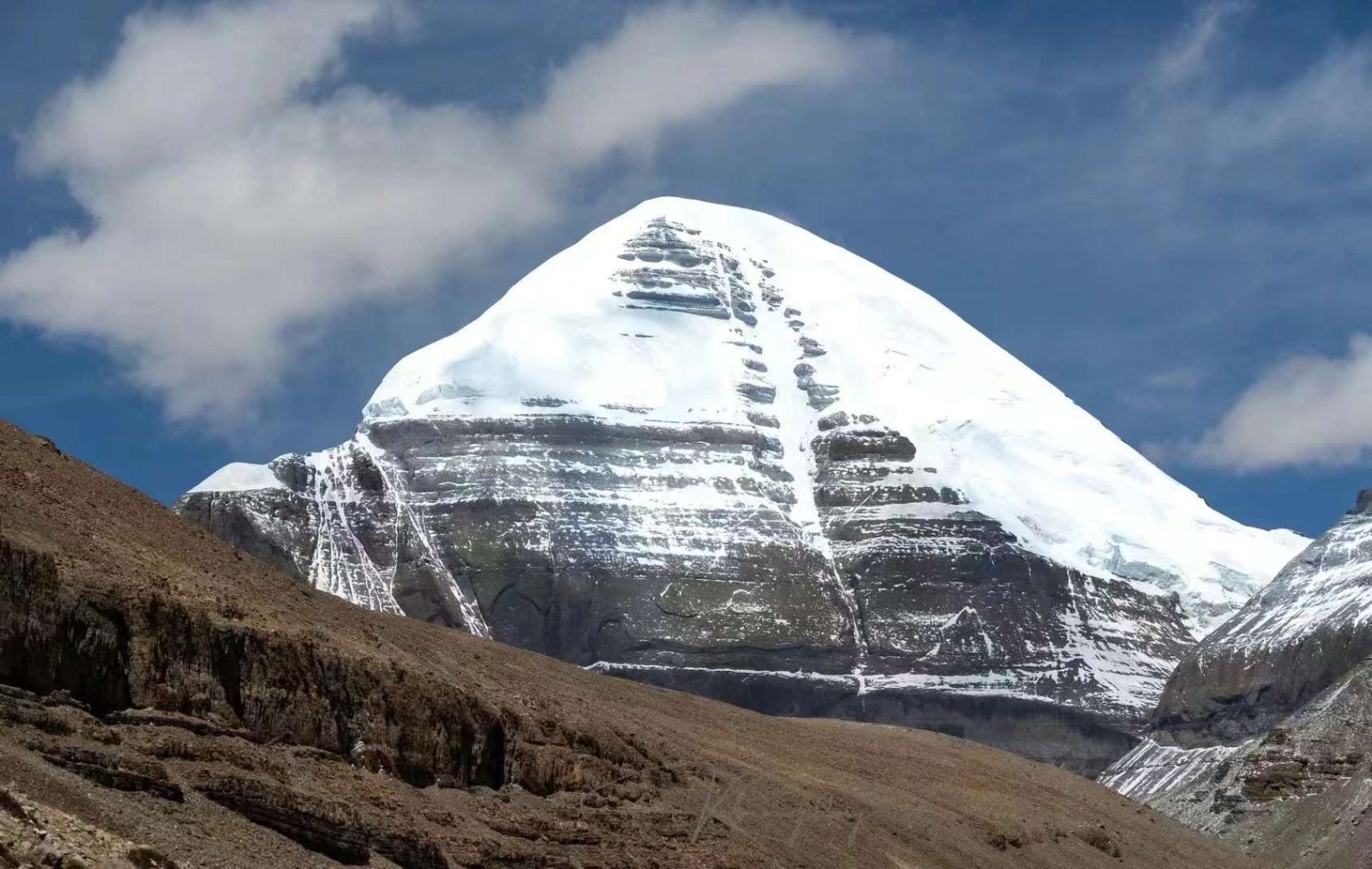
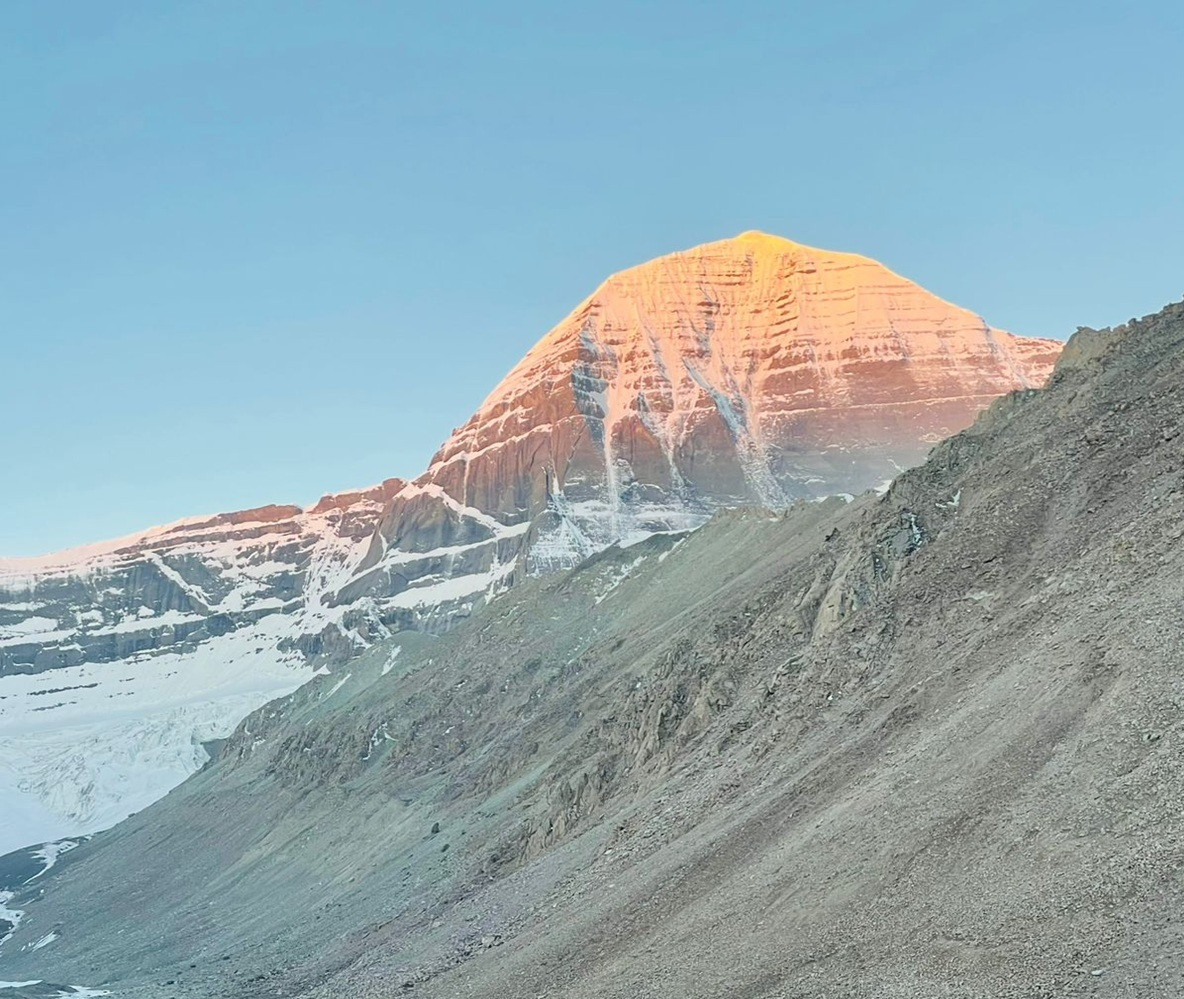
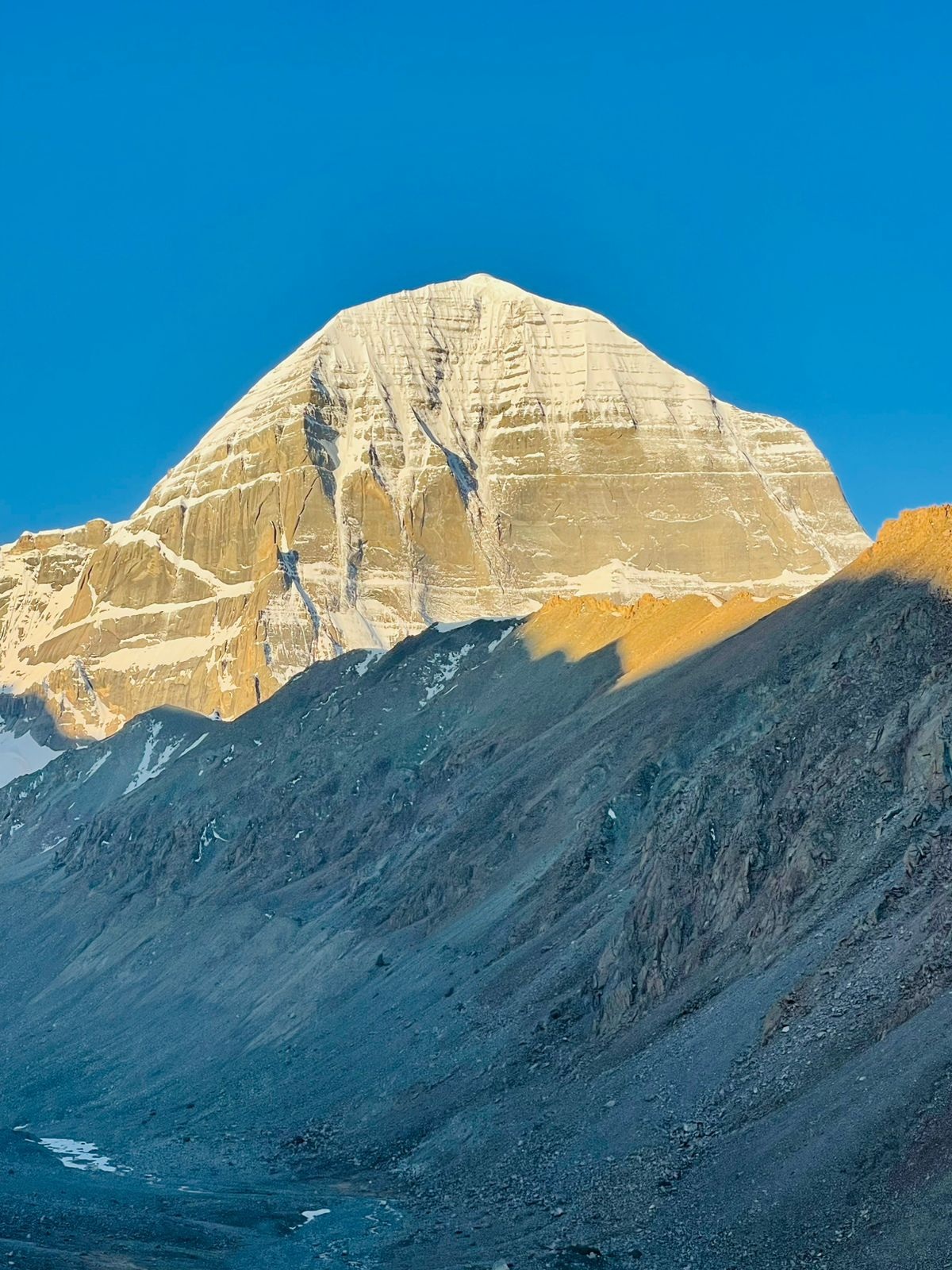
Considered one of the holiest mountains on Earth, Mount Kailash is revered amongst the Hindu, Buddhist, Jain and Bon faiths. In the eyes of Hindus, it is the abode of the Hindu deity Lord Shiva, while for Tibetan Buddhists, it represents the center of the universe, and as such, it is the ultimate lifetime goal for all the pilgrims visiting from all over the world.
The world's highest and one of the world's most sacred lakes – Mansarovar Lake is literally holy! A ritual pilgrimage to the holy lake sees pilgrims take a journey round, while praying and meditating along the bank-a peaceful and spiritual sight against the towering Himalayan backdrop, truly blissful.
The pinnacle of the journey sees pilgrims take the famous Kora, a three-day trek around Mount Kailash. Successfully completing this pilgrimage is said to have bestowed spiritual benefits, a transcendental spiritual journey in every sense. The Dolma La Pass and interaction with like-minded people across the world ensure that it truly is the adventure of a lifetime.
It could be said that this itinerary offers an excellent balance between historical Lhasa and rugged Western Tibet, but it's the truly magnificent Himalayan scenery which really steals the show: it's a world of snowy mountain peaks, sparkling turquoise lakes, wide open plains of rolling grass, ancient monasteries, and glimpses of rural Tibetan villages.
Khasa is recognized as the most advisable point for altitude adaptation before your pilgrimage to sacred Mt Kailash and Mansarovar Lake.
Lhasa is situated at about 3,650m above sea level. By staying there for a few days, you are offered a perfect chance for body adaptation and sightseeing at the most crucial cultural and religious spots in Tibet. While staying in Lhasa, you would tour around places like Potala Palace, Jokhang Temple, Barkhor Street, and age-old monasteries in Tibet, to let your body naturally get ready for the higher altitude later.
Higher altitude means you will increase the chances of a smooth and enjoyable Kailash Yatra. By the time the pilgrims reach the holy Mansarovar Lake and set off on Mount Kailash Kora, your body has already acclimated to the high altitude and hence feels less exhausted when trekking.
Lhasa has quite a large altitude difference with Mt Kailash. Therefore, it is very important for travelers to acclimatize to higher altitudes.
|
Location |
Elevation (m) |
Elevation (ft) |
Distance from Previous Stop |
Acclimatization Benefit |
|
Lhasa |
3,650 m |
11,975 ft |
Arrival Point |
Ideal starting altitude for gradual adjustment |
|
Shigatse |
3,850 m |
12,631 ft |
270 km |
Gentle altitude gain helps adaptation |
|
Saga |
4,640 m |
15,223 ft |
450 km |
Prepares body for higher Tibetan Plateau elevations |
|
Lake Mansarovar |
4,590 m |
15,059 ft |
230 km |
Sacred lake visit while adapting to high altitude |
|
Darchen (Kailash Base Camp) |
4,670 m |
15,321 ft |
35 km |
Final preparation point before Kailash Kora |
|
Dirapuk Monastery |
5,080 m |
16,667 ft |
20 km Trek |
First high-altitude trekking day |
|
Dolma La Pass |
5,630 m |
18,471 ft |
11 km Trek |
Highest point of the Kailash Kora |
|
Zutulpuk Monastery |
4,790 m |
15,715 ft |
12 km Trek |
Descending altitude improves recovery |
These Full Moon group departures are particularly designed for pilgrims hoping to have the most rewarding and spiritually enriching experience of the Kailash & Mansarovar journey. The pilgrims will start in Lhasa to acclimatize themselves and visit a few of the spiritual and cultural jewels of Tibet, the Potala Palace, Jokhang Temple, and Barkhor street along with a few ancient monasteries, before beginning on a journey across the plateau to western Tibet.
These trips have been scheduled such that the pilgrims can witness the auspicious Mansarovar lake on Full Moon. Both the Hindu and Buddhist cultures consider the full moon to be extremely lucky and beneficial for performing various kinds of meditations, prayers, puja ceremonies, reflection, and holy rituals. The full moon reflection on the lake has always been one of the main draws for pilgrims on a Kailash yatra. After this, the pilgrims will travel to Mt Kailash to complete the Kora.
|
Departure from Kathmandu |
Full Moon Date |
Full Moon Name |
Peak Time (EDT) |
Gap Before Full Moon |
Expected Location |
|
24 June 2026 |
29 June 2026 |
Full Buck Moon |
03:52 PM EDT |
5 Days |
Lake Mansarovar |
|
24 July 2026 |
29 July 2026 |
Full Buck Moon |
10:36 AM EDT |
5 Days |
Lake Mansarovar |
|
23 August 2026 |
28 August 2026 |
Full Sturgeon Moon |
01:18 AM EDT |
5 Days |
Lake Mansarovar |
|
21 September 2026 |
26 September 2026 |
Full Harvest Moon |
05:50 PM EDT |
5 Days |
Lake Mansarovar |
July 2026 Full Moon- There will be one full moon during the month of July 2026; on Wednesday, 29th July 2026, it will reach fullness at 10:36 AM EST and will also be called the full buck moon. Pilgrims travelling on this departure will also have the advantage to experience the holiness at Lake Mansarovar during the full moon time.
|
Departure from Kathmandu |
Full Moon Date |
Full Moon Name |
Peak Time (EDT) |
Gap Before Full Moon |
Expected Location |
|
13 June 2027 |
18 June 2027 |
Full Strawberry Moon |
11:08 PM EDT |
5 Days |
Lake Mansarovar |
|
13 July 2027 |
18 July 2027 |
Full Buck Moon |
08:37 AM EDT |
5 Days |
Lake Mansarovar |
|
12 August 2027 |
17 August 2027 |
Full Sturgeon Moon |
03:15 PM EDT |
5 Days |
Lake Mansarovar |
|
10 September 2027 |
15 September 2027 |
Full Harvest Moon |
09:42 PM EDT |
5 Days |
Lake Mansarovar |
|
Departure from Kathmandu |
Full Moon Date |
Full Moon Name |
Peak Time (EDT) |
Gap Before Full Moon |
Expected Location |
|
2 June 2028 |
7 June 2028 |
Full Strawberry Moon |
01:26 PM EDT |
5 Days |
Lake Mansarovar |
|
1 July 2028 |
6 July 2028 |
Full Buck Moon |
07:41 PM EDT |
5 Days |
Lake Mansarovar |
|
31 July 2028 |
5 August 2028 |
Full Sturgeon Moon |
02:55 AM EDT |
5 Days |
Lake Mansarovar |
|
29 August 2028 |
3 September 2028 |
Full Harvest Moon |
11:14 AM EDT |
5 Days |
Lake Mansarovar |
We schedule the Lhasa to Mount Kailash Tour Itinerary such that during the first few days, tourists are shown the sacred sites of Lhasa and can get accustomed to the high altitude of Tibet. After visiting Potala Palace, Jokhang Temple, Barkhor Street, and major monasteries, they then proceed to western Tibet, often reaching the sacred Mansarovar lake during a full moon day, where they can perform puja, meditate and pray at one of the most sacred lakes on earth before commencing the Kora (circumambulation) around Mount Kailash.
Kailash Mansarovar group joining tour is a very common and economical way to travel to Kailash Mansarovar. In the group tour, you are not going for exclusive tour. Pilgrims from all around the world join you on this journey. The prices are low, and the holy journey is quite affordable since you share your trip in a shared vehicle with others and also in sharing the guide, permit, other logistic cost and accommodation.
The Kailash Mansarovar group joining tour is suitable for solo, couple, family or small group traveling alone or together. We are open for individuals, couples, families and small groups all over the world. Book your seat for any of our dates. and begin your international spiritual tour for the holy Mount Kailash and Mansarovar with us.
For 2026 and 2027, we are offering the Kailash Mansarovar group joining tour at a fixed price. For a group joining tour of 6 to 9 persons, the price per person is $1985.00, and for a group of 10 to 15 persons, the price per person is $1785.00. Cost can be more economical for a bigger group (10-15 person) trip to Mount Kailash if guide, vehicle and other facilities are shared, hence the higher the number of people, the lower the price per individual pilgrim.
Indian pilgrims, in large numbers, visit the sacred site of Kailash Mansarovar every year. The fixed departure tour to Mount Kailash will be very comfortable and convenient for Indian pilgrims, as they can complete their holy parikrama of Mount Kailash along with other pilgrims and rituals performed at Mansarovar Lake.
Pilgrims from Nepal can also join our proposed tour package to Kailash Mansarovar. It has always been a highly sought-after group joining option for Nepali pilgrims as it is both inexpensive and of a high standard.
Pilgrims from the USA and Canada can join our international group journey. This type of package is ideal for solo travelers, couples and families travelling together to embark on their Kailash Mansarovar pilgrimage in a secured and comfortable environment.
Tourists from the United Kingdom, Germany, France, Italy, Spain, the Netherlands, Switzerland, and other European countries can join our scheduled departures. The group joining tour is economical for European travelers, as their private tours tend to be much more expensive.
Travelers from Australia and New Zealand often prefer to join smaller international groups. We provide safe and experienced guides, professional logistics, and support staff to ensure a spiritual journey.
Our group tours are open to people from Singapore, Malaysia, Thailand, Indonesia and other countries in South East Asia to travel with us to holy Mount Kailash and Mansarovar, at budget prices.
Cost savings compared to private tour packages.
Fixed guaranteed departure dates – know precisely when you will depart for the pilgrimage season.
Travel with like-minded international pilgrims of your own faith and goals.
Shares of vehicles, permits, support crew, guides and logistics.
Assistance of our representatives from start to finish.
Close personal intimate group journey.
hassle-free permission and logistics.
Security and comfort of support throughout the Kora.
For travelers coming from India, Nepal, North America, Europe, Australia or Southeast Asia, our Kailash Mansarovar Group Joining Tour is the most affordable and gratifying way to make your trip to holy Mount Kailash during the year 2026 and 2027.
The 12 Days Lhasa to Mount Kailash Tour by Bus features an itinerary that includes travel in a comfortable tourist bus or van (22-28 seats). Pilgrims will travel from Kathmandu to Lhasa, then on to Shigatse, Saga, and finally to Lake Mansarovar before commencing the Kora of Mount Kailash (Parikrama). All of this is done in a tourist bus or van.
Traveling with fellow pilgrims creates a sense of community on the long journey. The bus seats recline and have ample storage space. The seats are spacious, allowing pilgrims to gaze at the Tibetan plateau through the wide windows. In this specific package, the Bus will take tourists all the way to the foot of Mount Kailash (Dachen village). From there, the pilgrimage will continue on foot, starting the Kora. Due to the demanding and difficult terrain of the Dolma La pass, pilgrims can hire a pony for an additional fee of approximately $100-150. However, once hired, the pilgrim must complete the trek with the pony.
We offer you the best Lhasa to Mount Kailash and Lake Mansarovar Package, which you can take for an enjoyable and well-organized pilgrimage trip in Tibet. The package price starts from US$ 1785 per person on twin sharing in 3-star hotels and best available guesthouses during the Kailash region tour, depending on the group size, and for larger groups, there is even a better price offer available. This trip is one of the affordable holy pilgrimage trips to Mount Kailash.
|
Number of Pax |
Cost Per Person |
|
6 - 9 Pax |
USD 1,985 |
|
10 - 15 Pax |
USD 1,785 |
The above-mentioned visa fees are based on a per-person basis, and they might change according to the regulations of the respective embassy.
The above-mentioned prices are approximate for a one-way trip and might change based on the airline availability, travel season, fuel surcharge and government tax at the time of the booking.
Along with the above package price, the trekkers have to consider their own expenses, which include travel insurance with helicopter rescue, accommodation with meals and beverages at places not mentioned in the package, personal trekking gear and clothing, tips for the guide and drivers, tips for porters and additional unexpected expenses occurring from weather disturbance, road condition, etc.
Best planned acclimatization itineraries for a safer and more comfortable journey.
From the booking, we make sure that your entire trip is planned with efficiency by ourselves.
Over 24 years of experience operating treks to Tibet and Mt Kailash.
Experienced guides who are well-versed with the conditions in high altitude trek and have excellent knowledge of the culture and region.
Guaranteed departure.
Full package management for Tibet permit, visas, accommodation and transportation.
Assuring the safety, comfort and a great quality service all throughout the trek.
The personal care and service towards the clients before and throughout the trip.
The high success rate among the clients with thousands of travelers who have travelled with us.
Very competitive prices for the whole package offering excellent value for money.
This 12-day tour of Lhasa and Mt. Kailash has been planned to provide adequate acclimatization and a comfortable pilgrimage. The tour begins with three nights in Lhasa for altitude acclimatization and visiting legendary sites like the Potala Palace, Jokhang temple, Drepung Monastery and Sera Monastery.
From Lhasa, it progresses overland to Gyantse and Shigatse, finally reaching Saga through high mountain passes, tranquil holy lakes and charming Tibetan villages. After performing the pooja at the holy Lake Manasarovar, it finally arrives at Darchen, where the holy 52km trek of the Mt. Kailash Kora is undertaken over three days. From here, it is a leisurely drive through Kerung to return to Kathmandu. Acclimatization is important for a comfortable pilgrimage.
|
Day |
Route |
Distance (km) |
Cumulative Distance (km) |
Travel Mode |
Travel Time |
Start Altitude |
End Altitude |
Elevation Gain/Loss |
|
1 |
Kathmandu → Lhasa |
600 |
600 |
Flight |
1.5 hrs |
1,400m |
3,650m |
+2,250m |
|
2 |
Lhasa Sightseeing |
20 |
620 |
Vehicle/Walk |
Full Day |
3,650m |
3,650m |
0m |
|
3 |
Lhasa Sightseeing |
20 |
640 |
Vehicle/Walk |
Full Day |
3,650m |
3,650m |
0m |
|
4 |
Lhasa → Gyantse → Shigatse |
350 |
990 |
Drive |
5 - 6 hrs |
3,650m |
3,900m |
+250m |
|
5 |
Shigatse → Saga |
495 |
1,485 |
Drive |
6 - 7 hrs |
3,900m |
4,640m |
+740m |
|
6 |
Saga → Lake Manasarovar |
450 |
1,935 |
Drive |
8 - 10 hrs |
4,640m |
4,590m |
-50m |
|
7 |
Lake Manasarovar → Darchen |
40 |
1,975 |
Drive |
1- 2 hrs |
4,590m |
4,560m |
-30m |
|
8 |
Darchen → Dirapuk |
20 |
1,995 |
Drive + Trek |
5- 7 hrs |
4,560m |
4,900m |
+340m |
|
9 |
Dirapuk → Zuthulpuk |
18 |
2,013 |
Trek |
8- 10 hrs |
4,900m |
4,750m |
-150m |
|
10 |
Zuthulpuk → Darchen |
12 |
2,025 |
Trek + Drive |
3- 4 hrs |
4,750m |
4,560m |
-190m |
|
11 |
Darchen → Saga → Kerung |
Approx. 640 km |
2,665 |
Drive |
10- 12 hrs |
4,560m |
2,800m |
-1,760m |
|
12 |
Kerung → Kathmandu |
165 km |
2,830 |
Drive |
6- 7 hrs |
2,800m |
1,400m |
-1,400m |
|
Distance Details |
|
|
Total Trip Duration |
12 Days |
|
Total Distance Covered |
2,943 km |
|
Total Driving Distance |
2,273 km |
|
Total Trekking Distance |
52 km |
|
Total Flight Distance |
600 km |
|
Acclimatization Days in Lhasa |
3 Days |
|
Highest Pass Crossed |
Dolma La Pass (5,636m) |
|
Highest Overnight Stay |
Dirapuk (4,900m) |
|
Lowest Point of Journey |
Kathmandu (1,400m) |
|
Sacred Lake Altitude |
Lake Manasarovar (4,590m) |
|
Mount Kailash Elevation |
6,638m |
|
Kailash Kora Duration |
3 Days |
|
Kailash Kora Distance |
52 km |
|
Lhasa to Darchen Distance |
1,318 km |
|
Darchen to Kerung Distance |
770 km |
|
Average Daily Road Travel |
300 - 450 km |
|
Longest Driving Day |
Darchen → Saga → Kerung (640 km) |
|
Shortest Driving Day |
Manasarovar → Darchen (53 km) |

This will potentially be one of the most holy and satisfying experiences of your lifetime - to be journeying towards Mount Kailash Mansarovar. This Lhasa to Mount Kailash Mansarovar tour itinerary has been specifically designed to include Tibet's spiritual Buddhist history, alongside the sacrosanct holiness of Mount Kailash and Lake Mansarovar. After experiencing the major highlights of Lhasa- Potala Palace, Jokhang Temple, Barkhor Street and various monasteries, you journey over the Tibetan plateau to the sacred western region.
You will be journeying over some quite remote Himalayan terrain, with part of the journey passing over the summit at Dolma La at 5,600m above sea level. Road access, weather, permits and itinerary are unpredictable in this region of the world, and can change quite rapidly due to such factors as heavy snow, high wind, local custom and Government regulation. Having an attitude of flexibility is very important during the whole pilgrimage to Tibet.
Classic Vacations Nepal will guarantee a safe and well-planned pilgrimage experience, starting with acclimatization days in Lhasa, using expert Tibetan guides along with well-trained and efficient Nepali Sherpas, emergency oxygen and an extremely slow-paced schedule for acclimatization.
At Classic Vacations Nepal, we believe pilgrimage is more than just a holy endeavor.
We are interested in responsible tourism and would like to offer the local Himalayan community assistance.
In collaboration with Pioneer Foundation Nepal, we are providing help with health, education and community projects in the remote mountain regions. We will allocate part of the revenue from your pilgrimage towards such good causes.
Thus, your pilgrimage also has a social impact to provide sustainability and community development. Your pilgrimage to Mt. Kailash is an undertaking that is both spiritual and societal at once, high in the Himalayas.
 3650m
3650m
 Flight ( near to 600 km)
 1 hr 15 min flight + transfers
 Flight ascent from 1,310 m to 3,650 m
 None
None
The first day of the Lhasa to Mt. Kailash to Kerung Trip takes you directly to Lhasa from Kathmandu. Today, your biggest fear isn't the flight, but the epic 2,340-meter elevation leap of your body on the descent in two hours and thirty minutes.
You will take off from Kathmandu on an early morning flight and will be fascinated to see the great white wall of the Himalayas; Mt. Everest, Lhotse and Cho Oyu towering outside your window for a full hour and a half.
On your arrival at Lhasa Gonggar Airport, your licensed Tibetan guide will meet you and then drive along the Kyichu River valley for 60 kilometers. Lhasa, situated at 3,650 meters on the northern bank of the Kyichu River, is the spiritual and administrative center of the Tibet Autonomous Region. The Tibetan name of Lhasa means 'Place of the Gods'.
Rest completely horizontal for the whole afternoon, consume three liters of water, eat light warm foods and stay away from any drinks. Many first-time travelers make one big mistake when they hit the ground, rushing out to see the sights, and this always leads to two bad days.

3-star or best available Hotel

Breakfast
3700m
~20 km
5 - 6 hrs
2–3 hrs total
Light walking
Today, we are all set for sightseeing in the beautiful town of Lhasa. All three of Lhasa's famous sights are clustered in a 2 km radius, so that you can walk the pack around Day 2 in a nice flat walk.
After a hearty breakfast of tsampa (roasted barley flour) porridge or steamed bread, your guide will take you to the Potala Palace- a 13-storey building with more than 1000 rooms, built on top of Red Hill.
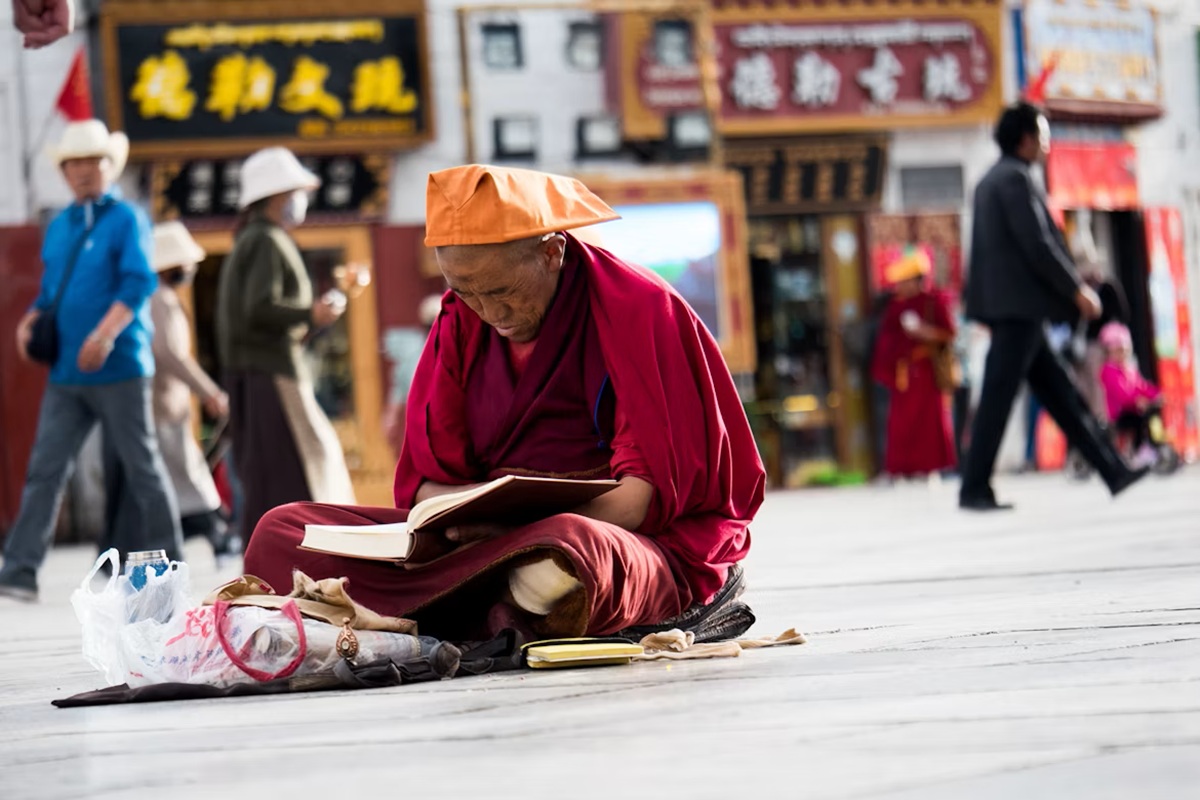
Ascending 340 stairs at an elevation of 3700m will leave most breathless. So, walk slowly, pausing for a deliberate moment between stairs. Afterwards, take in Jokhang Temple, the holiest Buddhist temple in Tibet, where you will see devotees offering full-body prostrations on stones smoothed by centuries of use.
Finish your afternoon with an exploration of the circular, bustling market street of Barkhor Bazaar surrounding the temple.
3-star or best available Hotel
Breakfast
3800m
~15 km
4 - 5 hrs
Light walking (2 hrs)
Light walking
The third day of the Lhasa to Mt. Kailash to Kerung Trip takes us to the culturally rich Sera Monastery and Drepung Monastery. These two museums are also where hundreds of monks live and study an active religious curriculum every day.
Start your day after breakfast by taking a 5km drive north to Drepung Monastery, which was home to more than 10,000 monks before 1959 and is the largest in the world. The site covers the southern slopes of Mount Gephel, then a tiny hilltop settlement now resembling a hilltop city, with huge assembly halls and steep stone alleys linking a maze of whitewashed buildings. Your guide will introduce the Gelug system of Tibetan Buddhism and the significance of Drepung in choosing the Dalai Lamas.
Later in the afternoon, head to Sera Monastery for the much-publicized daily monk debate session from 3:00 p.m. to 5:00 p.m.
3-star or best available Hotel
Breakfast
5010m
350 km
5–6 hrs drive
Gradual ascent (2 - 3 hrs)
Gradual descent
Today, the Tibetan landscape emerges in all its glory: vast plateau meadow and sacred lake, fortress monastery instead of the city streets of Lhasa.
From Lhasa 7.30 am, you will drive across Kamba La (grandfather and grandmother snow mountain pass at 4794 meters) and stop to admire the view over Yamdrok lakes, a sacred turquoise blue lake 72 km long at 4,441 meters. Children are advised to stay in the vehicle during this stop, as there is no barrier at the edge of the road, and the wind can be quite strong.
Leaving this place, you would proceed to drive over the magnificent Karo La Pass (5,010m), one of the most beautiful glacier passes in Tibet the colossal Karo La glacier is sheer above the roadside, and you can gaze into a stunning expanse of the Himalayan mountain range.
In Gyantse, you can visit the Pelkhor Chode Monastery and the impressive Gyantse Kumbum built in the 15th century, a nine-storied Buddhist chorten with 108 cells and chapels inside, which you can climb through.
Your guide will then take you briefly through Gyantse's old town before continuing to Shigatse for dinner and overnight.
3-star or best available Hotel
Breakfast
4640m
495 km
6 - 7 hrs drive
Gradual ascent (2 hrs)
Gentle descent
Day 5 begins with two highlights - a monastery visit in the morning, and then a long drive westward into the more and more isolated Tibetan plateau.
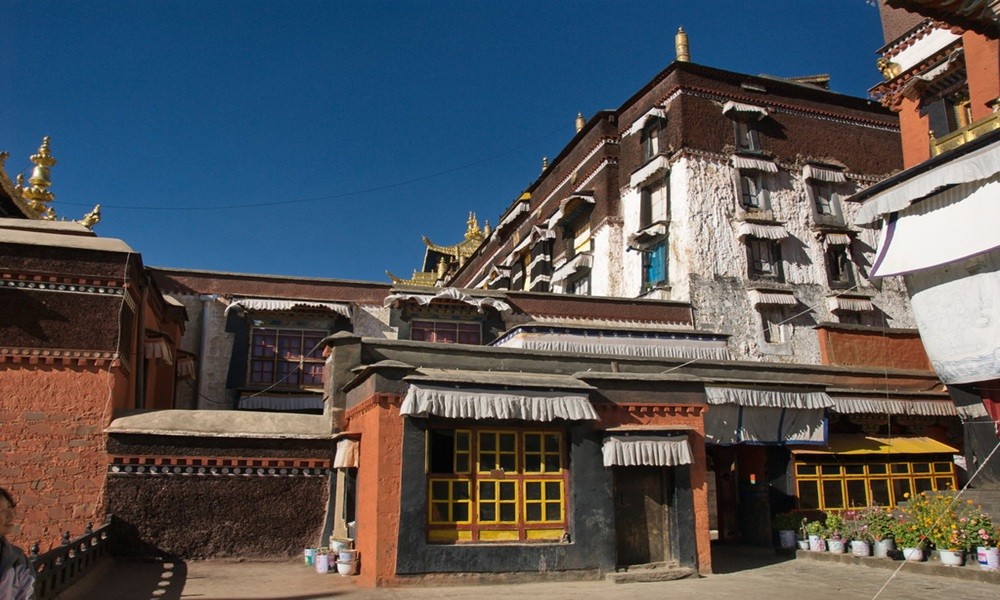
Start your day with an early breakfast before 7:00 am. Make your first 2 stops in Shigatse: Tashilhunpo Monastery, traditionally the winter residence of the Panchen Lama, with a giant 26-meter star-shaped gilded Maitreya Buddha which incorporates 279kg of gold. The interior height of the main chapel allows an actual sense of awe.
After that, you will make an additional stop at Shalu Monastery, renowned for its unique Chinese-style green glazed tile roof resting above an ancient Tibetan stone edifice dating back to the 11th century.
One of the oldest monasteries of Tibet, founded in the year 1040, is the Shalu monastery and is recognized for its hybrid Sino-Tibetan style architecture, well-preserved ancient murals and traditional scholastic Buddhist practices.
At the Shigatse Tibetan Market, stock up on bottled water and snacks before departing westward, where amenities are few and far between. At this point, travel along an open plateau where you are met with expansive views of grazing land and the settlements of nomadic yak herders.
3-star or best available Hotel
Breakfast
5112m
420 km
7 - 8 hrs drive
Long road ascent (3 - 4 hrs)
Short descent
The sixth day of the Lhasa to Mt. Kailash to Kerung Trip, where the sightseeing ends and the pilgrimage begins. The scenery becomes isolated and devotional, and your body begins to feel the strain.
First thing in the morning, after an early breakfast, you will begin a drive westward through the valley corridor running between the Gangdise Range to the north and the Himalayan Range to the south. Passing through Paryang, a secluded town on the immense Western Tibetan plateau, which is a significant resting point for pilgrims heading towards the holy mountains of Kailash and Lake Manasarovar.
The road crosses Mayum La Pass at 5,112 meters and is amongst the highest passes in the world.
As you begin to descend, south of the sacred summit of Gurla Mandhata (7,694 m) can be seen, followed by the surprise appearance of Lake Manasarovar directly below. The 88 km in circumference, deep blue freshwater lake at 4,590 meters altitude is believed to be the holiest of lakes for both Hinduism and Tibetan Buddhism. Many visitors report that the first sight of the lake can bring on an emotional moment.
Guest House
Breakfast, Lunch, Dinner, Tea/ Coffee, Hot Water / Mineral Water- (Veg. Meals by Nepali Sherpa Team)
4590m
53 km
1 - 2 hrs drive
Minimal
Minimal
The journey today is short in distance but adventurous.
Early in the morning, you will rise in time to walk to the lake shore where Tibetan and Hindu pilgrims carry out puja at first light by burning incense, throwing flowers into the water and pouring holy water to symbolize the deposit of spiritual essence.
Temperatures sometimes fall to between 3 and 5 degrees Celsius, so wear two or three warm layers. Early leave the lake shore after spending 90 minutes or more. Between Angmo La and Darchen, 53 kilometers away, arrive in Darchen, the starting point for the Kailash Kora.
The north face of Mount Kailash, 6,638 meters, is towering directly ahead of the village. Use the afternoon visiting with Yaks, porters and the trekking gear company to get the final details sorted and buy last supplies. Four religions declare Mount Kailash holy, including Hinduism, Buddhism, Jainism and Bon.
Guest House
Breakfast, Lunch, Dinner, Tea/ Coffee, Hot Water / Mineral Water- (Veg. Meals by Nepali Sherpa Team)
4900m
20 km (7 km drive + 13 km trek)
6 - 7 hrs trek
5 - 6 hrs trek ascent
Small descent
The Kailash Kora begins today, the culmination of everything this journey has been for; the first real physical struggle for any of us.
You will take the bus from Darchen to Sarshung Valley, where your yak handlers/porters await. These Tibetan men walk the circuit several times per month, and we recommend staying exactly in step with them. Do not try to overtake them. The 13 km route ascends the Lha Chu River through a line of prayer flags and mani stone walls. The trek further proceeds through the Holy Lha Chu Valley, which forms the most sacred and picturesque of all the regions of the Kailash Kora; it allows incredible views of the mountain, and one would get to trek along age-old pilgrim trails.
Within the first hour, you will have a view of the west face of Kailash. At all times, you will see the Hindu pilgrims from India and the Tibetan pilgrims from Tibet. A few Tibetan pilgrims undertake a full-body prostration all the way around the 52 km circuit on their hands and knees, which takes three weeks.
There are several guesthouses to rest situated directly beneath the north face of Kailash. If you arrive before dinner, climb the ridge to visit Dirapuk Monastery.
Dormitory Guest House
Breakfast, Lunch, Dinner, Tea/ Coffee, Hot Water / Mineral Water- (Veg. Meals by Nepali Sherpa Team)
5630m
18 km trek
8 - 10 hrs trek
4 - 5 hrs steep ascent
4 - 5 hrs steep descent
Day 9 of the Lhasa to Mt. Kailash to Kerung Trip is the most challenging. It takes us through the Drolma La Pass at 5,636 meters, which is an excellent altitude challenge that needs a fully honest level of physical readiness.
You will leave Dirapuk by 7:00 a.m. and climb steeply through moraine and jagged boulder fields up to Drolma La. Shiva Tsal is close to the base of the pass and marks a valley where pilgrims leave personal possessions, such as hair and photographs, as symbolic acts of releasing attachment.
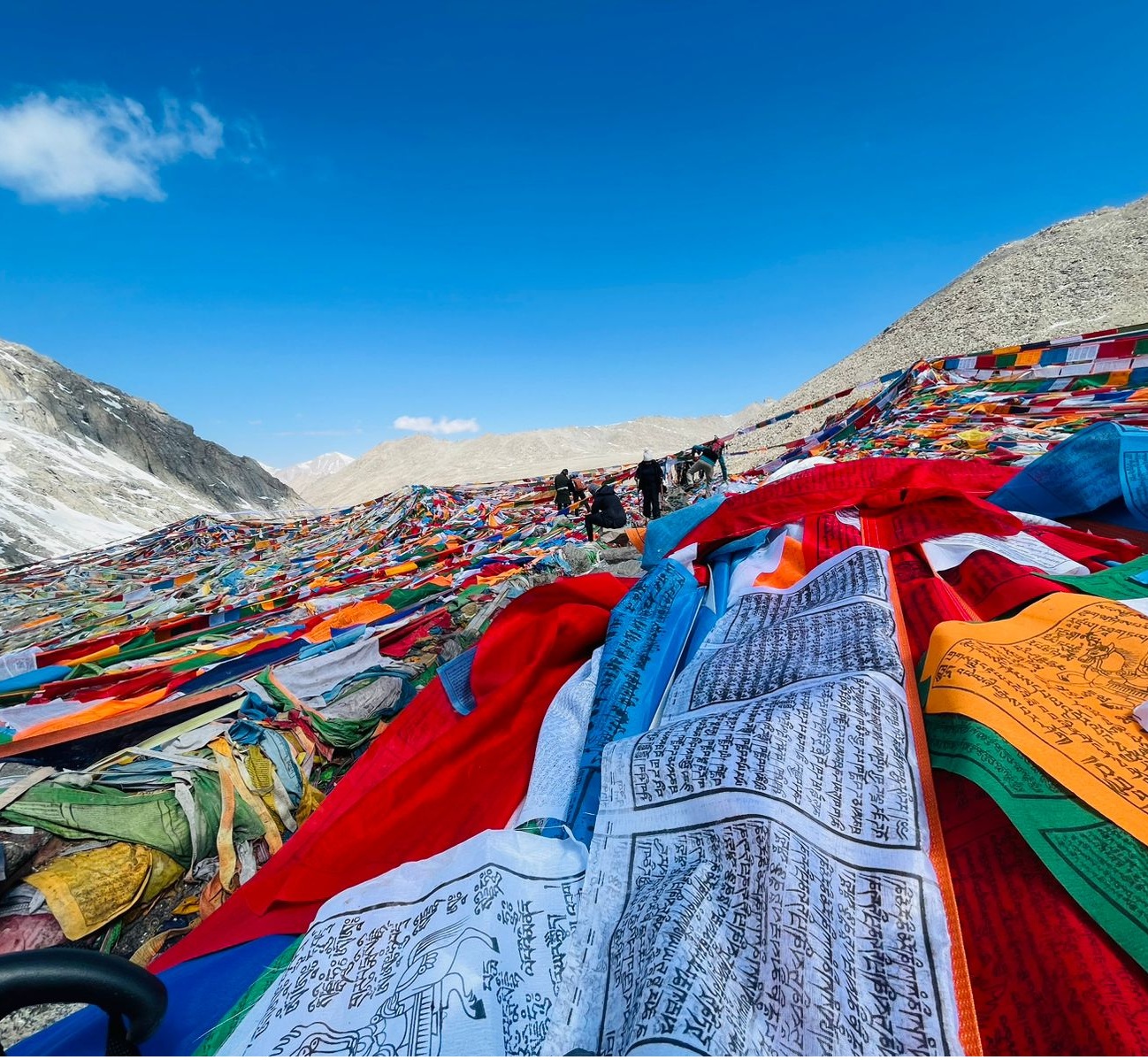
At the summit, prayer flags flutter into every flat surface around Drolma Rock, honoring the bodhisattva Tara. As you descend the eastern side, you will see Gauri Kund lake, which can be frozen in summer at 5608m.
The trail then proceeds towards Zutulpuk (Dzutulpuk) Monastery, which is one of the most important pilgrimage sites for its meditation cave and, with no doubt, strongly linked with the great Tibetan yogi Milarepa.
Dormitory Guest House
Breakfast, Lunch, Dinner, Tea/ Coffee, Hot Water / Mineral Water- (Veg. Meals by Nepali Sherpa Team)
4750m
18 km trek + approximately 470 km drive
2 to 3 hours trek + 7 to 9 hours drive
Minimal, about 30 minutes
2 to 2.5 hours
The last Kora section is the most peaceful and reflective final stretch of the entire circuit. The trail runs down the valley of the river with Mani stone walls constructed over the years of worship.
Following a warm breakfast of noodles or tsampa, you will walk 7 kilometers along the lushness of the Zhong Chu River valley for the least demanding section of the entire Kora.
The day starts off from Zutulpuk (Dzultripuk) Monastery, which is an important monastery on the Mt Kailash circuit and an important centre for Tibetan Buddhism pilgrimage associated with the great Tibetan yogi Milarepa.
Long mani walls line both sides of the trail, stone walls crafted from dozens of individually carved counters echoing the mantra Om mani padme hum; some run for hundreds of meters.
You will pass through the rice fields and herds of cows, sheep, and yak to Zhong village, where your car will pick you up for an easy 5-kilometer ride to Darchen.
The entire Kailash Kora is 52 kilometers over the three days. Once you are back, have a big, nourishing, warm meal, rest entirely and allow your family some quiet time with what you all have taken in before the drive back east starts tomorrow.
Completion of the Kora trek will lead to a stunning journey to Saga through a road that takes you across the Tibetan plateau where you will be rewarded with stunning vistas of snow-capped peaks and the villages of nomads. You will arrive at Saga in the evening and enjoy a well-deserved rest after such an exciting trip.
Guest House
Breakfast, Lunch, Dinner, Tea/ Coffee, Hot Water / Mineral Water- (Veg. Meals by Nepali Sherpa Team)
4600m
Approximately 225 km drive
5 to 6 hours drive
Approx. 1 to 2 hours
Approx. 4 to 5 hours
Start your day with breakfast in Saga and prepare for the scenic return journey towards Kerung (Gyirong). Leaving the vast landscapes of western Tibet behind, drive east across the immense Tibetan Plateau along the Yarlung Tsangpo (Brahmaputra) River valley, retracing part of the route you travelled earlier in the pilgrimage.
As you proceed further ahead on your journey to the sacred sites, there are lots of things that will keep you occupied. You get to see wide-open grasslands, high altitude plains, and even nomadic settlements where you can spot some grazing yaks and sheep.
You will also travel through small Tibetan villages as well. As you go along, you will get a chance to witness the might of the Brahmaputra (Yarlung Tsangpo) river flowing right by, while continuing through vast valleys.
Your trip continues toward Kerung (Gyirong). On this journey, you will be able to visit some wonderful places such as nomadic villages, expanses of pasture lands on which yaks graze together, mountains valleys, view points from which you can see some magnificent vistas of the Himalayas, such as the snow-capped peaks of Shishapangma (8,027m), Cho Oyu(8,188m ), beautifully scenic Peiku Tso (Lake )( Peiku Lake ), one of the most picturesque alpine lake of Tibet.
As you drive down the valley towards Kerung close to the Nepal border, you will start seeing some change in scenery, from the arid Tibetan plateau to lush green forestland, cascading streams,lush greenery with dense foliage, river gorges and waterfalls, and hills, making quite a sharp contrast to what we had seen on our high-altitude travel adventure of these few days.
Guest House
Breakfast, Lunch, Dinner, Tea/ Coffee, Hot Water / Mineral Water- (Veg. Meals by Nepali Sherpa Team)
2800m
165 km
6 - 7 hrs drive
Continuous descent
Return to Kathmandu
The last day of the trip crosses the border from Tibet to Nepal and plunges into the beauty of the Kathmandu Valley. In other words, you can relate this to a transition as breathtaking as your arrival in Lhasa.
After breakfast, you will drive from Kerung (Gyirong) to the Gyirong Port (Chinese Immigration) before continuing to the Rasuwagadhi border crossing in the Bhote Koshi River gorge. You must clear Chinese immigration with your Tibet Travel Permit and passport, cross the Friendship Bridge on foot, and complete Nepal immigration formalities at the Rasuwa checkpoint before boarding your vehicle on the Nepal side.
The journey towards Kathmandu is along the picturesque Trishuli River valley and includes places like Syabrubesi, Dhunche, Ramche, Betrawati, Trishuli Bazaar, etc. While driving, you will behold the beauty of nature, which includes thick forests, terraced hills, and waterfalls, as well as traditional villages alongside the river, Trishuli.
The journey to Kathmandu takes approximately 7–8 hours, depending on road and border conditions. The journey isn't over when you cross the border; it continues to work itself out of your mind for many weeks afterwards.
Breakfast
The meals will be nutritious and prepared by our experienced Nepali Sherpa kitchen team. The Sherpas are well versed in travelers' needs for nutrition and sustenance in high altitudes. You can expect to be served three nutritious meals (breakfast, lunch, and dinner) each day from Kerung to Kerung. Our Sherpa kitchen team is well-trained to cater simple yet nutritious, easily digestible meals that can enhance energy in high altitudes.
The meals prepared at high altitudes are hygienic and well-balanced for travelers. Such dishes as Roti, Rice, Dal, and Vegetables, in addition to Soup, Pasta, porridge, Tea, Coffee, Fruits and a blend of Nepali, Indian, and international meals will be served. We attempt to serve you satisfying and tasty meals even at secluded destinations such as Mansarovar Lake, Darchen, Dirapuk, and Zuthulpuk, thereby enhancing your spiritual experience at these sacred locations while remaining fit and comfortable at these high altitudes.
|
Meal Type |
Typical Menu |
Included |
|
Breakfast |
Tea, Coffee, Toast, Butter, Jam, Porridge, Muesli, Chapati, Tibetan Bread |
✓ Included |
|
Lunch |
Rice, Dal, Vegetable Curry, Chapati, Noodles, Salad, Pickles, Fruits |
✓ Included |
|
Dinner |
Rice, Dal, Soup, Vegetables, Chapati, Noodles, Fruits, Hot Drinks |
✓ Included |
|
Drinking Water |
Hot Drinking Water During Meals |
✓ Included |
|
Vegetarian Meals |
Pure Vegetarian Throughout the Yatra |
✓ Included |
|
Sherpa Kitchen Team |
Professional Nepali Cook & Support Staff |
✓ Included |
One of the much-talked-about things is our food, it's the most favorite thing of the pilgrims, it offers both Nepali and Indian styled vegetarian food at remote sites like Tibet, Lake Mansarovar, Dirapuk and Zuthulpuk by ensuring it's nourishing and healthy food for you to make the best out of the Kailash Yatra.
To enhance your comfort during the difficult situation in Tibet and particularly in the sacred region of Mount Kailash, handpicked accommodations have been provided. We ensure a relaxed night's sleep for the travelers through the provision of carefully chosen three-star hotels and the best available guesthouses along the entire journey (with attached baths on a double or twin sharing basis).
|
Location Type |
Accommodation Standard |
Room Type |
Bathroom |
Key Amenities |
|
Lhasa, Shigatse, Saga & Darchen |
3★ Hotel / Best Available Hotel |
Twin Sharing |
Attached |
Wi-Fi (where available), Hot Water, Heating, Restaurant |
|
Lake Mansarovar |
Best Available Guesthouse |
Twin/Shared Room |
Common Bathroom |
Basic Bedding, Dining Area, Pilgrimage Location |
|
Dirapuk |
Monastery Guesthouse |
Dormitory |
Common Bathroom |
Basic Bed, Dining Hall, North Face Kailash View |
|
Zuthulpuk |
Monastery Guesthouse |
Dormitory |
Common Bathroom |
Basic Bedding, Shared Facilities, Rest Stop After Dolma La |
Due to the rising altitudes and restricted access, the accommodation in the remote areas of Western Tibet and the Kailash Kora automatically becomes very basic. The use of very basic accommodations at Mansarovar, Dirapuk and Zuthulpuk is a vital aspect of the genuine Kailash Pilgrimage. Luxury accommodation in such remote high altitudes is scarcely available, but the sanctity of the location, along with the stunning vista of the Himalayas that you will witness and feel throughout the pilgrimage trip, will be far more significant than any star hotel.
We are team of professionals who share a common devotion to the outdoors and are commited to world travel.
Originally from Manaslu, Gorkha, and with 23 years of experience, Mr. Chet Prasad Bhatta now serves as the Managing Director at Classic Vacations Nepal. He is a young, energetic, and dynamic leader in mountain tourism in N...


For the Lhasa to Mount Kailash Mansarovar tour, preferably go in May to September as generally it has pleasant weather and good road conditions, therefore Kailash Kora can be completed easily. May, June and September are often described as the finest months for clear views of the mountains and for trekking.
This season indicates the commencement of the Kailash pilgrimage, while the snow begins to melt and the temperature begins to rise. The Tibetan Plateau has clear skies and very good visibility during the spring season. May-June is often considered the ideal month for seeing the famous Saga Dawa Festival, one of the biggest events for Tibetan Buddhism.
Best Months: May and June
Advantages
Disadvantages
This is one of the most popular seasons for Kailash Yatra, and during July-August, the weather in Tibet is the hottest compared to the whole year. Although the summer season in Nepal is monsoon season, in the Tibetan Plateau, especially in the Mt. Kailash region, the climate is quite dry because of the high elevation.
Best Months: July and August
Advantages
Disadvantages
The most perfect season for the Lhasa to Mount Kailash tour is said to be in the autumn season, as after the monsoon, skies usually turn clear and weather tends to remain extremely pleasant throughout the month. Thus, September is considered to be the most favored month to visit Mt. Kailash.
Best Months: September and October
Advantages
Disadvantages
The winter season is not quite recommended for the Lhasa to Mount Kailash Mansarovar tour since the weather becomes very freezing cold, snowfall can be high, resulting in road blockage, and there are very few tourist amenities available.
Best Months: Generally not advisable.
Advantages
Disadvantages
Start doing the most essential things-walking, jogging or doing cardio exercises for 2-3 months ahead of the tour to cope with high altitude trekking.
Try to acclimatize gradually, it's for sure that by staying for 2-3 days in Lhasa (3,650m), you would be able to acclimatize at this moderate altitude before going up to higher altitudes; Mansarovar (4,590m) and Kailash Kora (5,600m+).
Enjoy the sightseeing of Lhasa for at least 2-3 days: Potala Palace, Jokhang Temple, Barkhor Street, and acclimatize to lessen the risks of altitude sickness.
Keep your pace steady while walking: walking slowly or normally is recommended at high altitudes; walking or any kind of strenuous activity is highly discouraged at high altitudes.
Take adequate 3-4 liters of water on a daily basis to prevent headaches and fatigue that might result from a lack of water at high altitudes.
Strictly avoid drinking alcohol, smoking and consuming oily foods throughout the Yatra, as this ensures blood circulation is steady, oxygen intake is at its best, and metabolism works efficiently.
Carry along woolens, a warm jacket, thermals, woolen caps and gloves; it is really cold at Kailash and more so in summers.* Don't forget to take medicines (medications for altitude sickness, cold and cough, as well as pain killers), sunscreen and lip balm for dry weather at high altitudes.
Make it a point to have light and balanced vegetarian meals throughout your journey to maintain energy levels at times of travelling long distances and during daily treks.
Be ready for the relatively primitive amenities at Mansarovar, Dirapuk and Zuthulpuk. At these sites, though amenities may be very simple, the spiritual experience shall be immense.
Don't forget the 'climb high, sleep low' principles while you hike around; this will already be covered by your tour package.
Be patient and flexible while you are on the trip; plans for travel at the Tibetan Plateau might change sometimes owing to various reasons, like permitting.
All major sightseeing entrances of Lhasa mentioned in the itinerary are covered in the package by Classic Vacations Nepal, you just need to focus on viewing and exploring the major temples, monasteries and sites of Lhasa.
|
Sightseeing Place |
Highlights |
Opening Hours* |
Entrance Fee |
Included in Package |
|
Potala Palace |
Former residence of the Dalai Lama and UNESCO World Heritage Site |
09:00–15:30 (seasonal variations apply) |
Yes |
✓ Included |
|
Jokhang Temple |
Most sacred temple in Tibetan Buddhism |
08:00–18:00 (seasonal variations apply) |
Yes |
✓ Included |
|
Barkhor Street |
Historic pilgrimage circuit and cultural market area |
Open All Day |
Free |
✓ Included |
|
Sera Monastery |
Famous for Tibetan monk debate sessions |
09:00–16:00 |
Yes |
✓ Included |
|
Drepung Monastery |
One of Tibet's largest monasteries |
09:00–16:00 |
Yes |
✓ Included |
|
Norbulingka Palace |
Traditional summer palace of the Dalai Lamas |
09:30–17:30 |
Yes |
✓ Included |
|
Tibet Museum (if included in itinerary) |
Tibetan history and culture exhibits |
09:30–17:30 |
Free |
✓ Included |
The opening timings mentioned above may change during festivals, holidays, due to the rules of the government, and during special occasions.
The sightseeing tickets for the sights, vehicle support, local Tibetan guide and necessary permits will already be arranged by Classic Vacations Nepal, so you do not need to worry about any arrangements and can gain lots of knowledge from the visit to the cultural sights of Lhasa, before starting the pilgrimage tour to Lake Mansarovar and Mount Kailash. This tour to sightseeing in Lhasa not only helps you to get knowledge of the Buddhist Culture of Tibet but also helps to acclimate to the altitude for Kailash, which is at a higher altitude.
Mount Kailash and Mansarovar are located at the very sensitive border region of western Tibet, and thus special permits are needed to visit them. No foreigners are allowed to travel freely around Tibet, and all the tourists have to travel in a guided tour under an organized agency registered in Tibet.
This is the single most important document, without which you are not allowed to travel around Tibet. TTP is issued by the Tibet Tourism Bureau and can be processed for only foreign nationals. You cannot enter Tibet by plane to Lhasa or by the border of Kerung(Gyirong) without it. We will organize this permit for you prior to your arrival.
While travelling from Nepal to Tibet, you need a Chinese Group Visa, which will be organized in Kathmandu. All the visas which were already possessed by you will be invalid, and you should hand in your original Passport in Kathmandu before your travel, and it usually takes around 4-5 working days for the processing of the visa.
Since Mount Kailash and Mansarovar lie at the outer region of Tibet, you would need an Alien Travel Permit for special access to reach SAGA, DARchen, Mansarovar and Kailash regions.
Since the Kailash region is at the close border of the international boundary, Military and Border permits will also be required. We will pre-arrange both the permits through the local authorities, which is also included in the tour package.
For all permits, one needs to possess the following:
Valid Passport with more than 6 months' validity
Clear copy of your Passport
Photographs of size passport
Filled up Application Form
For this Lhasa to Mount Kailash Tour, the following costs are already included in your package price:
|
Permit / Visa |
Status |
|
Tibet Travel Permit (TTP) |
Included |
|
Chinese Group Visa |
Included |
|
Alien Travel Permit |
Included |
|
Military Permit |
Included |
|
Border Permit |
Included |
|
Kailash Region Travel Clearance |
Included |
Send a copy of the passport at least 25-30 days before the departure so that the permit can be arranged for the travelers.
A passport will be needed in Kathmandu for a Group Visa (original)
No Foreign nationals are allowed to visit the holy mountain independently.
All permits shall be arranged by our local Tibet partner, and they will be included in the tour price.
Once the permit is issued, travelers must adhere to the permitted routes in Tibet.
With Classic Vacations Nepal, there will be no tension for the visa arrangement, permit application process, Tibet travel document and all other arrangements.
The sacred Mount Kailash Kora is considered a difficult 52km trek that will expose pilgrims to the remote Himalayan terrain and travel over the high Dolma La Pass (5,630m). A person can complete the trek without actual climbing ability, but having a high level of physical fitness will help make their experience as a pilgrim more comfortable, safer, and enjoyable.
You should set aside at least 6–8 weeks before your departure to prepare for the trek. To build stamina and enhance your lung capacity, you should engage in regular walking (5–10 km/day), stair climbing, light running, cycling, and any type of cardiovascular exercise. Building strength in the legs through squats, hiking, or walking on hills will help you at the Dolma La Pass.
Equally as important will be the mental aspect of preparing for your trek. There will be many hours of walking, changing weather and high-altitude conditions on the trek to Kailash Kora. Maintaining a steady walking speed, drinking plenty of fluids and not overdoing it are the three keys to a successful trek.
If you fail to finish the Kora completely on foot, there is the option of hiring a pony and a local animal handler for assistance along the way. With good preparation, most healthy travelers can complete this once-in-a-lifetime spiritual experience around the most sacred mountain in the world.
You can expect drastic temperature differences in Western Tibet, most notably during the peak pilgrimage season to Mount Kailash. Daytime temperatures can be quite warm if the sun is out, but you will face very cold conditions early in the morning and in the evening, as well as on the highest parts of the trek, such as Dolma La Pass. Layers are essential.
A 3-layer system is perfect for your Kailash Yatra:
Base layer (2-3 thermal tops and bottoms)
Mid layer (2 fleece jackets or warm sweaters)
Outer layer (1 waterproof, windproof down or insulated jacket)
For a 12-day Lhasa to Mount Kailash Tour, we advise you to take:
4-5 quick-dry trekking shirts
2-3 trekking pants
2 thermal sets
1 thick down jacket
1 fleece jacket
5-6 pairs of underwear
4-5 pairs of trekking socks
1 warm hat or wool cap
1 pair of gloves
1 sun hat or cap
Comfortable, pre-worn-in, trekking shoes
Important personal items
Sunglasses with U.V. Protection
Sun-block SPF 50+
Lip balm
Water bottle or flask
Personal medicines
A small rucksack or day bag
A power bank and charging cables
Trekking poles (useful on Dolma La Pass)
What to wear on Mount Kailash: The secret is not to pack too much but rather smart layers to adjust to the fluctuating temperatures; most travelers will do fine with 4-5 sets of clothes, since laundry opportunities are scarce on Western Tibet. Having the right gear (layers, good shoes, protection from the wind, sun, and cold) on your Kailash Kora pilgrimage will guarantee a better experience on Mansarovar Lake and Mount Kailash.
Western Tibet, in particular the holy sites of Mount Kailash and Mansarovar Lake, is held sacred by Hindus, Buddhists, Jains and Bön people. As a pilgrim, you should behave respectfully towards local people, monasteries, prayer sites, animals and the environment in general to maintain the sanctity of the Kailash Yatra.
Follow these
Circumambulate (go clockwise around) all monasteries, stupas, prayer wheels, and Mount Kailash (if your local Tibetan guide doesn't direct you to do otherwise).
Dress modestly while visiting religious sites: you must cover your shoulders and knees when entering any monastery or temple.
Always ask before taking photographs of monks, pilgrims, nomads, army buildings, and people inside any monastery.
Be considerate and speak quietly when inside any monastery or other religious spaces: put all cell phones on vibrate during prayers and services.
Show reverence for prayer flags, mani stones and all other objects sacred to the pilgrimage: avoid walking over or touching sacred objects with dirty hands.
Pack all trash out and always use toilets whenever they are available to you, especially to assist in keeping the surface of Lake Mansarovar and the Kailash Kora path clean.
Always heed your Tibetan guide's instructions and directions concerning permits, checkpoints, restricted sites and local traditions.
Take the pilgrimage at a sensible pace, stay hydrated and be mindful of acclimating yourself as much as is necessary to pay respect to the altitude.
Avoid these
Do not touch any holy statues, holy things, scriptures or monastic devices without permission.
It is not permissible to sit facing altars, monks or any holy object within the temples.
Do not fly drones or take unapproved pictures of prohibited areas.
Do not litter, do not use any kind of soap to wash oneself in any source of holy water and do not leave any wasteful offering.
Do not talk about sensitive religious, political or Tibetan-related issues with any locals, guides or authorities and do not engage in an argument with them.
Do not drink heavily and do not act too loudly near religious destinations or any guest houses run by monks.
Shortcuts to the Kailash Kora path are not advised because the weather and altitudes are very variable and will put you in potential danger.
Do not take any stones, prayer flags, fossils, etc from any holy sites or protected areas.
Different monasteries and villages may have unique traditions; whenever you're in doubt, please pause and observe. When unsure about what is appropriate, always ask your Tibetan guide or Sherpa crew before taking any action. An open mind is far more valuable than mastering all the rules.
The trek itself around Mount Kailash is of moderate difficulty due to the altitude. This is a roughly 52-km trek that will take three days, and it will reach a highest point of 5630m at the Dolma La Pass.
No, there is no need for any previous trekking experience. However, any pilgrim will be expected to be a fit individual, to walk on a regular basis and build up their own endurance before joining the expedition.
As Lhasa stands at an altitude of 3650 m, it allows slow acclimatization to Tibet's altitude. It provides the occasion to discover several of the world's famous sights: Potala Palace, Jokhang temple and Sera monastery, before going to the mountain Kailash.
Yes, in cases where pilgrims are unable to complete the Kora on their own, ponies and local handlers can be hired, which is very practical for the section around the Dolma La Pass.
The highest altitude reached during the tour is at approximately 5630m (18,471 ft) during the pilgrimage to the Dolma La Pass (the second day of the pilgrimage).
Yes, the Tibet Travel Permits (Alien Travel Permit, Military Permit, Border permit) and all costs related to the Chinese group visa are included in the package.
We recommend booking 30 to 45 days in advance, which will provide adequate time for us to obtain the Tibet permits, the Chinese Group Visa, book plane tickets and secure a place on a departure that fits your plans.
Pilgrims may perform holy ablutions or gather holy water from the Mansarovar Lake. Please be sure to respect local customs and heed safety instructions as well as any warnings pertaining to weather and water temperature.
Yes, an oxygen cylinder would be available with the tour leader/ support team. But the best is to get fully acclimatized, that's the best way to avoid altitude sickness.





 Google
 Tripadvisor