- 17, Jun 2026 |
- classicvacationsnepal.com

Choosing between the Kailash Mansarovar Yatra 2026 by the Indian Government and that organized by a private tour operator comes down to personal preferences. Generally, the Government Yatra comes with a much lower advertised cost, which is certainly appealing to the thrifty pilgrims.
However, the trip comes with a process of application, restricted seats, and a computerized lot draw for selection. While private operators will generally ensure assured departures, simpler booking processes, and numerous alternative route selections through Nepal, the tour package tends to be more costly.
For many of the pilgrims, the issue is not so much a result of a lesser amount paid initially, but a better value of money for the trip. A trip by the Government may sound more affordable on paper, but one has to take into account the uncertainty of being selected for the pilgrimage trip, transportation ease, availability of time during traveling, accommodation quality, as well as available support throughout.
On most occasions, private operators will often bundle more services, especially useful for first-time travelers and elderly pilgrims, making the trip an easier undertaking.
In this guide, we compare the Indian Government Kailash Mansarovar Yatra cost to booking with a tour operator, explaining what is covered and what potential additional costs you might encounter. Similarly, which option provides value for money for Indian pilgrims taking their sacred journey to Mount Kailash and Lake Mansarovar?
|
Indian Government Yatra (2026 - 2028 Estimate) |
Tour Operator Yatra (2026 - 2028 Estimate) |
|
|
Advertised Package Cost |
₹1.8 - 2.4 Lakhs |
₹2.1 - 3.5 Lakhs |
|
Estimated Final Cost |
₹2.1 - 3.2 Lakhs |
₹2.2 - 4.0 Lakhs |
|
Upfront Registration Fee |
₹0 - 500 |
₹0 |
|
Initial Deposit |
₹5,000 - 10,000 |
₹50,000 - 1,00,000 |
|
Visa & Permit Cost |
Extra / Variable |
Usually Included |
|
Medical Examination Cost |
₹3,000 - 10,000 |
₹3,000 - 10,000 |
|
Travel Insurance |
₹2,000 - 8,000 |
Often Included |
|
Kathmandu Hotel Cost |
₹5,000 - 20,000 |
Usually Included |
|
Meals During Transit |
₹3,000 - 15,000 |
Usually Included |
|
Domestic Travel Cost |
₹5,000 - 30,000 |
₹5,000 - 20,000 |
|
Pony Charges |
₹25,000 - 50,000 |
₹25,000 - 50,000 |
|
Porter Charges |
₹8,000 - 25,000 |
₹8,000 - 25,000 |
|
Trekking Gear & Clothing |
₹10,000 - 50,000 |
₹10,000 - 50,000 |
|
Personal Expenses |
₹5,000 - 30,000 |
₹5,000 - 30,000 |
|
Hidden Costs |
₹20,000 - 75,000 |
₹5,000 - 30,000 |
|
Cost Per Day |
₹8,000 - 13,000 |
₹18,000 - 28,000 |
|
Route |
Lipulekh / Nathu La |
Nepal - Tibet Route |
|
Group Size |
40 - 60+ Pilgrims |
15 - 30 Pilgrims |
|
Advance Payment |
₹5,000 - 10,000 |
20 - 40% of Package Cost |
|
Permit Processing Time |
Several Weeks |
Usually Handled by Operator |
|
Accommodation Standard |
Basic to Standard |
Standard to Premium |
|
Transportation |
Government Arranged |
Private Vehicles |
|
Duration |
20 - 25 Days |
10 - 15 Days |
Expected Kailash Mansarovar Yatra Costs from 2026 to 2028
|
Year |
Government Yatra Cost |
Tour Operator Cost |
|
2026 |
₹1.8–2.2 Lakhs |
₹2.1–3.2 Lakhs |
|
2027 |
Expected to be Similar or Slightly Higher |
Expected to be Similar or Slightly Higher |
|
2028 |
Expected to be Similar or Slightly Higher |
Expected to be Similar or Slightly Higher |
The specified official price by the Indian Government for the Kailash Mansarovar Yatra 2026, 2027 and 2028 ranges between 1.8 Lakhs and 2.2 Lakhs per head on the basis of the chosen route and the operating cost of the trekking season. Although the stated amount of travelling is provided on the official site, generally, the amount collected from most pilgrims is far above the proposed figure.
The additional cost, including medical tests, traveling within India, trekking equipment, travel insurance, pony and porter costs and other minor personal expenses, tends to add up significantly to the cost. The total amount spent by an Indian pilgrim while completing the Kailash Mansarovar Yatra through the government route can range between 2.1Lakhs and 3 Lakhs per head. One could possibly spend more on the Kailash Mansarovar Yatra by taking up a pony service during the Kailash Parikrama, or purchase a whole new trekking kit, along with dealing with any unexpected travelling costs.
One of the unique expenses for the Government Kailash Mansarovar Yatra is the compulsory medical screening process. This involves a number of checkups as pilgrims go to a very high altitude (over 5000m). The cost of these medical tests is highly dependent on the city you reside in, as well as the hospital you undergo these tests at.
|
Medical Requirement |
Estimated Cost |
|
Blood Tests |
₹500 - 2,000 |
|
ECG & Cardiac Tests |
₹500 - 3,000 |
|
X-Ray & Imaging |
₹500 - 2,000 |
|
Specialist Consultation |
₹1,000 - 3,000 |
|
Total Medical Cost |
₹3,000 - 10,000 |
Pilgrims who have pre-existing health conditions are advised to estimate on the upper end of the price range.
Hiring ponies or porters is technically voluntary, but it is seen that most pilgrims hire a pony or porter during the difficult Kailash Parikrama circuit. They are generally not a part of the Govt. Yatra could prove quite costly.
|
Service |
Estimated Cost |
|
Pony Hire |
₹25,000 - 45,000 |
|
Porter Hire |
₹8,000 - 20,000 |
|
Pony + Porter |
₹33,000 - 65,000 |
This can also be one of the most significant additions to the cost for seniors or first-time trekkers, on top of the actual official package cost.
When we add the official package cost plus all these other standard costs, the amount which is the actual reality for most trekkers is far higher than the advertised cost.
|
Expense Category |
Estimated Cost |
|
Official Government Package |
₹1.8 - 2.2 Lakhs |
|
Medical & Documentation |
₹5,000 - 15,000 |
|
Travel & Accommodation |
₹10,000 - 50,000 |
|
Pony, Porter & Equipment |
₹20,000 - 85,000 |
|
Miscellaneous Expenses |
₹5,000 - 25,000 |
|
Estimated Total Cost |
₹2.1 - 3.0 Lakhs |
Bottom line: Although the Indian Government Kailash Mansarovar Yatra is marketed as one of the cheapest, pilgrims are generally advised to prepare a minimum budget between 2.1 and 3 lakh per person after all expenses (essential and supplementary). This is your most straightforward answer straight off the bat, while transitioning into the next comparison table on tour operators.
Though the Indian Govt is yet to come out with the official cost of the Kailash Mansarovar Yatra in 2027-28, the pilgrimage might see a rise in prices due to the current trend and hike in operating costs. The travel costs generally fluctuate based on the following factors: price of travel, price of accommodation, cost of permits, prevailing prices of inflation, price of infrastructure improvement, and exchange of currency. Generally, prices for a holy journey/tour may increase in the range of 3%-8% annually due to inflation.
If this upward trend in prices continues, in the coming 2 years, the cost of the government Kailash Mansarovar Yatra that was between 1.8-2.2 Lakhs in 2026 may marginally rise.
|
Year |
Government Yatra Cost |
|
2026 |
₹1.8 - 2.2 Lakhs |
|
2027 |
₹1.9 - 2.3 Lakhs |
|
2028 |
₹2.0 - 2.5 Lakhs |
Many people who are planning a trip to Kailash Mansarovar get their tickets in advance to make sure they have a budget for ₹10,000 - ₹30,000 each year, which would give reasonable financial padding and minimize surprises when the official price list becomes available.
A private Kailash Mansarovar tour in 2026 generally ranges from 2.1 to 3.8 lakh per person, varying on factors such as itinerary, duration of the tour, comfort and services included in the package. Differing from the Indian Government Yatra, private tours operate in fixed departures, allow faster booking and operate via multiple routes (primarily via the Nepal-Tibet route), contributing directly to the overall price. While on the more expensive side for some, private tours include higher standards and number of services, along with much higher predictability and easier organization.
|
Package Type |
Estimated Cost (INR) |
|
Budget Package (Basic Nepal Route) |
₹2.1 - 2.6 Lakhs |
|
Standard Package (Most Popular) |
₹2.6 - 3.2 Lakhs |
|
Premium Package (Helicopter + Comfort Hotels) |
₹3.2 - 3.8 Lakhs |
The price for a private Kailash Mansarovar tour is not standard and can fluctuate depending on the following major travel and service aspects.
|
Cost Factor |
Impact on Price |
|
Route Selection (Nepal vs Extended Circuit) |
₹20,000 - ₹80,000 difference |
|
Travel Mode (Helicopter vs Road Journey) |
₹50,000 - ₹1,50,000 difference |
|
Hotel Category (Standard vs Premium in Kathmandu) |
₹10,000 - ₹40,000 difference |
|
Group Size (Fixed vs Small Group Tour) |
₹15,000 - ₹50,000 difference |
|
Season (Peak Months vs Off-Season) |
₹10,000 - ₹30,000 difference |
|
Included Services (Meals, permits, guide) |
₹20,000 - ₹60,000 difference |
|
Emergency Support & Backup Oxygen |
₹5,000 - ₹20,000 difference |
Private Kailash Mansarovar Yatra Package 2026 would roughly cost 2.1Lakhs to 3.8Lakhs per person, although commoners would expect the price range of 2.6 Lakhs to 3.2 Lakhs. The price also varies depending on the routes selected, the luxury option taken, the number of pilgrims traveling and the inclusions mentioned by the tour operator.
Private tour package costs for the Kailash Mansarovar yatra would tend to rise steadily through 2027 and 2028. The reason for the cost rise in private packages is not on account of an increased amount that pilgrims might need to contribute to the government, but a hike in operational costs – like hotels, vehicles, fuel, Tibet permit fees, guide and cook wages, charter costs (for helicopters, where offered), and fluctuations in the exchange rate between various currencies (INR, NPR, Yuan and USD).
Most tour operators in Nepal have an annual review of their package rates and, typically, prices for Kailash Mansarovar tours have climbed by around 5 to 10% annually. So, it is quite probable that private tour costs will outpace the government tour costs a notch in the years to come.
Estimated Private Kailash Mansarovar Tour Cost Projection
|
Year |
Tour Operator Cost |
|
2026 |
₹2.1 - 3.2 Lakhs |
|
2027 |
₹2.2 - 3.5 Lakhs |
|
2028 |
₹2.4 - 3.8 Lakhs |
Many people who are also planning a future trip to Kailash Mansarovar should think about setting up a budget for ₹15,000 - ₹40,000 per year in excess of current pricing; in some cases, reserving tickets early can give customers the opportunity to take advantage of advance-bird pricing (this is available through most tour Operators) before the start of seasonal demand.
The subsidised approach, minimalistic service offerings and the non-commercial aspect seem to be the primary reasons why the Government Kailash Mansarovar Yatra seems more economical compared to private tour operator packages. Theoretically, the Government yatra begins at about 1.8 to 2.2 lakh per head, which is much less than the private tour. However, the cost differential is often mistaken, and both routes offer highly contrasting levels of service and comfort.
This is why the government Yatra appears cheap. It is not a marketable tourist product, and its objective is not to earn profits. This is based on a government administrative structure with minimal overheads for a non-profit undertaking- no commercial profit margins, no branding cost and no service level cost layers.
|
Government Yatra |
Private Tour |
|
|
Base Package Cost |
₹1.8 - 2.2 Lakhs |
₹2.1 - 3.8 Lakhs |
|
Profit Margin |
Minimal / None |
Included in package price |
|
Operational Model |
Government-supported |
Commercial tourism |
The government Yatra fee is supposed to cover only the simplest logistics, such as authorized routes, basic overnight stay at the designated stop points, and group transport between locations; and it does not cover the costs of any of the necessary travel expenses, which are either given or to be arranged.
|
Government Coverage |
Typical Extra Cost |
|
|
Medical Tests |
Not fully included |
₹3,000 - 10,000 |
|
Travel Insurance |
Not included |
₹2,000 - 8,000 |
|
Pony/Porter Services |
Optional extra |
₹25,000 - 65,000 |
|
Trekking Equipment |
Not included |
₹10,000 - 40,000 |
In the case of a government yatra, there is an automated lottery system because there are a huge number of applicants and a very limited number of seats. Thus, even if you fulfill the required criteria for Yatra, there is no guarantee of the Yatra for you. In the case of private tour operators, this is not the case, and once you complete the payment, you get an assured booking.
|
Government Yatra |
Private Tour |
|
|
Seat Allocation |
Lottery system |
Confirmed booking |
|
Departure Guarantee |
Not assured |
100% confirmed (after booking) |
|
Flexibility |
Very low |
High |
The journey via the government normally takes 20 - 25 days, hence the long-term pilgrimage schedule of Kailash Mansarovar. Although the official price of a trip may appear to be lower, the longer time that it takes to finish will typically increase indirect travel costs. Some of these increased costs will be due to extra days of leave from work, hotel rooms prior to departure, spending money on yourself while out of town, and planning costs.
|
Government |
Private Tour |
|
|
Trip Duration |
20 - 25 days |
10 - 15 days |
|
Indirect Cost Impact |
Higher |
Lower |
Government Yatra packages all use a very rigid and consistent itinerary that is meant for a large group of people. This reduces the complexity of operating the trip and lowers the cost of the trip; it also reduces the flexibility and level of comfort for the pilgrims. Private tour companies provide accommodation options that are typically higher quality, travel logistics that are better organized (fewer changes), smaller groups, and additional options such as helicopter flights.
|
Service Level |
Government |
Private Operator |
|
Accommodation |
Basic |
Standard to Premium |
|
Transport |
Fixed government arrangement |
Private vehicles |
|
Route Options |
Limited |
Multiple (Nepal/Tibet routes) |
The Government of India promotes the Kailash Mansarovar Yatra through a relatively low base cost; however, many pilgrims are shocked to find out that after everything has been added up, their overall costs are exponentially greater than anticipated. This occurs when a pilgrim’s final costs include several necessary and unavoidable expenses which were not factored into the advertised package price. These additional costs can include medical expenses, travel logistics, necessary equipment, and the impact of the high altitude.
Many pilgrims will ultimately incur extra expenses in the range of ₹30,000-₹1,00,000 above and beyond the advertised cost due to individual travel preferences and other personal preferences.
Prior to being permitted to participate in the yatra, all pilgrims must have a mandatory medical screening to confirm that they are fit for high-altitude travel. These medical screenings are not covered by the Government and are certainly required given the extreme nature of the yatra route conditions; while these screenings will add additional expense, they are in fact a requirement for you to participate in the yatra.
You will also incur expenses such as:
The total bill to just obtain medical clearance will come between 3,000 and 10,000 for most people.
The cost to reach your designated reporting or departure center (such as New Delhi, Kathmandu or other city/station, depending on your flight from where you'll begin your trek) isn't covered by the government's Yatra. The additional hidden cost can be substantial, depending on your hometown.
Common costs incurred here include:
You would definitely want to take a comprehensive travel insurance plan. A high-altitude trek such as this has numerous risks involved, and the costs to handle emergencies above 5,000m (hypoxia is a real problem, and immediate medical treatment can cost a fortune) could drain your finances without insurance.
Some commonly selected plans are:
Extreme cold conditions and unpredictable weather necessitate that you buy some specific things if you don't have them in your existing wardrobe. These are not usually part of the government package.
Typically, you might need:
This is perhaps the most significant hidden expense. For many pilgrims, especially those older in age or travelling for the first time, the steep inclines during the Kailash parikrama become extremely tiring, and it is common practice to rent a pony for travel support or hire a porter to carry one's luggage.
These cost anywhere between:
Although basic boarding and lodging are usually provided as part of the government package, all optional or extra demands, additional days' stay due to adverse weather, preference for personal snacks, etc., will amount to supplementary charges.
There are unforeseen circumstances at high altitude, such as illness, delays because of weather, or transportation problems, that will require unexpected cash expenses. These costs are not part of the package, and it is advised to keep enough contingency funds.
Commonly required expenses here:
When comparing both the Indian Government Kailash Mansarovar Yatra package and a private tour operator's package, the amount of money for both is very similar; however, the financial details of what is actually included between them are vastly different in terms of the services provided, the amount of flexibility allowed, and comfort levels achieved. Whereas the Government Package is structured around just the necessary pilgrimage logistics, the private package is much more all-inclusive, which means that for a like experience, the Pilgrim will not need to arrange extras for many of the items required to complete their pilgrimage in the Private Package.
This government Yatra package has been created by the official authorities and is an organized pilgrimage program encompassing the basic components necessary to complete the Yatra.
Below is what is included in the Govt subsidized package:
There are many critical travel components that will not be included in a government-sponsored package, which generally result in additional costs to you in the form of out-of-pocket expenses.
The exclusions of the Government Package have a large effect on how much the Yatra actually costs.
Exclusions are the primary reason the total cost for the Government Agencies’ Yatra is much higher than the advertised amount.
Private Tour Operators develop their packages to be more complete and to focus on the convenience of the Pilgrim, so that the Pilgrim has to plan and manage fewer things independently.
Private Tour Packages generally include:
This is where it all really shines. The value added that the private operators provide is totally absent in the government Yatra, which is invaluable, making the experience smooth and guaranteed:
Depending on the tour type, some additional costs may apply even on private tours:
Registration of Indian Government (MEA) Kailash Mansarovar Yatra 2026 is online, and it is official as only a few seats are available and demand is so high. A Computerised draw is made for selection, hence registration is not confirmation.
Step-by-step registration process:
Booking for private Kailash Mansarovar Yatra from Nepal directly (e.g. Classic Vacations Nepal, etc) process is much faster than the government lottery process and is predictable since there is no lot selection; booking confirmation upon payment & submission of documents.
Step-by-step registration process:
|
Indian Government Yatra (MEA Route) Cheap Cost |
Private Tour Operator (Nepal Route) Cheap Cost |
|
|
Base Package Cost |
₹1.8 - 2.2 Lakhs |
₹2.3 - 3.8 Lakhs |
|
Estimated Final Cost (All-in) |
₹2.1 - 3.0 Lakhs |
₹2.6 - 4.0 Lakhs |
|
Cheapest Entry Price |
₹1.8 Lakhs |
₹2.3 Lakhs |
|
Registration Fee |
₹0 - ₹500 |
₹0 |
|
Selection System |
Lottery (not guaranteed) |
Direct booking (confirmed) |
|
Hidden Extra Costs |
₹30,000 - ₹80,000 |
₹10,000 - ₹40,000 |
|
Travel Insurance |
Not included (₹2k - ₹8k extra) |
Usually included |
|
Pony/Porter Costs |
₹25,000 - ₹65,000 |
₹25,000 - ₹60,000 |
|
Medical + Gear Cost |
₹15,000 - ₹50,000 |
Usually included or optional |
|
Trip Duration Impact |
20 - 25 days (higher indirect cost) |
10 - 15 days (lower indirect cost) |
|
Cost Predictability |
Medium |
High |
Yes, the Indian Government Kailash Mansarovar Yatra (2026) will be the lowest official cost with respect to the route (base-package only). The Government of India’s (Ministry of External Affairs/M.E.A.) estimate shows arriving 1.8 - 2.2 lakh per person to reach North (via Lipulekh) or South (via Nathu La). However, the cost of this Yatra journey is not the full amount that many of the other pilgrims will spend to make their journey.
The additional costs, which most pilgrims incur during this Yatra, include: required medical tests, travel to the reporting point, trekking gear/equipment, insurance, and optional services such as ponies or porters for assistance. Therefore, on average, the true Yatra journey costs for most pilgrims are generally between 2.1 and 3.0 lakh per person. Therefore, while the government has provided the lowest entry price, it ultimately does not provide the lowest total journey cost option.
Traveling with a private operator in Nepal tends to be more expensive upfront (between ₹2.5 lakh - ₹3.8 lakh), but they typically include all of the services you would need for your trip in one package: This includes permits/accommodations, transportation and at times, emergency support. This way, you will not have as many hidden costs and fewer unknowns.
The government Yatra may appear to be the cheapest on paper, but when you consider the convenience of traveling with a private tour operator, guarantees of departure (you get a certain amount of notice just like when traveling with a scheduled airline) and fewer surprises while on your trip, the cost of the two styles of travel may even out. Ultimately, whether you choose the lowest initial cost versus the best overall trip comes down to which you are willing to prioritize.
Due to the immense number of requests received and restricted quotas allotted by the Indian Govt, a computerized lottery system was used for the MEA, KMY tour. Every year, usually only around 750-1000 pilgrims from various routes of MEA, KMY are selected, while the number of applications can reach more than 15,000-25,000+, and this would give each applicant a selection probability of around 3-6% per application, which proves that it is not that easy for one pilgrim to get selection for KMY in his/her first attempt.
Step-by-step lottery selection process:
Most of the pilgrims had to apply 2-5 times consecutively to get selected through the Government route for the KMY.
Due to a predetermined set itinerary, travelers aren’t able to plan their Yatra as per astrology/ auspicious occasions like Full Moon, certain festivals.
There is a completely different system for the privately operated tours, especially in Nepal for Kailash Mansarovar, which follows guaranteed departure; by confirming the booking on partial advance payment, the trip is confirmed irrespective of any criteria, any selection process and any doubt.
Guaranteed Departure system (Private Operators)
Private tour operators are also able to offer trips during spiritually significant periods to the pilgrims, which further enhances their spiritual connectivity to the abode of Lord Shiva.
A pilgrim traveling from a private tour operator bypasses the entire government lottery system. Once you have booked the ticket and have made the advance payment, you are guaranteed travel in the specific batch where you booked it. The MEA route has a yearly selection of just 3%-6% on average, which makes most of the pilgrims unable to fulfill their spiritual quest for years on end.
The entire process is transformed from waiting and rounds of verification in the MEA to simply a direct booking transaction where you provide the details of your passport, make your choice of package, and pay an advance. All the arrangements, like visa processing, permits and other documents, are taken care of by the tour operator.
The support system while booking from a tour operator benefits the traveler greatly. Private vehicle arrangement in Kathmandu, better and comfortable stay there, and services of experienced travel guides at reasonable charges make the journey extremely safe and worry-free, especially in relation to the height of Kailash Mansarovar. Many packages also arrange for oxygen for people who may feel uneasy at high altitude, medical and emergency arrangements.
Contrary to the government Yatra, private tours give pilgrims flexibility over their travel dates and, sometimes, departures are scheduled to fall within Holy days such as Full Moon Kailash Parikrama or Saga Dawa festival, which improves pilgrimage and spirituality.
One of the main benefits of opting for a private Kailash Mansarovar tour is the special treatment that all operators offer from when you first contact them to when you leave for your country after the Yatra. You are never left alone and, in contrast to a government tour operator who is shared by a larger number of pilgrims, a private tour assigns individual guides/coordinators to look after all aspects of the Kailash Mansarovar yatra from Kathmandu up to Mount Kailash and back down to Kathmandu. This also helps in:
Perhaps one of the biggest draws to private operators, it offers freedom from the unpredictability of the government lottery system. After a successful booking is confirmed, your journey to the pilgrimage is sealed and guaranteed; no chance of rejection due to a lottery.
This offers:
The two major access routes available for the Kailash Mansarovar Yatra are the Indian Government (MEA) routes and the Nepal-based Private Tour Routes. Both these routes have different approaches, travel times, comfort levels and availability. Government routes operate in fixed official corridors and fixed departure times, whereas the Nepal route is more popular and a more accepted private operator route because of better logistical options.
The Indian Government runs only two approved routes for this Yatra. Both routes are Government-regulated and subject to permits, weather, and scheduled batches.
This is one of the age-old overland routes running through Uttarakhand.
The route from Delhi starts from Almora, Dharchula, Gunji, Lipulekh pass, and Tibet.
Requires a major trekking and a high-altitude mountain journey.
It is affected by the weather and the road conditions.
The physical demand is much higher.
Government-controlled group movement.
This is a fairly recent and very accessible route.
Delhi, Gangtok, Sherathang, Nathu La Pass, Tibet.
Roads are relatively good here as compared to Lipulekh.
Minimum trekking involved, most of the journey is a road journey
Strict scheduling still applies, though.
This is probably the most popular of the private routes of Kailash Mansarovar Yatra due to simpler travel options, the facilities provided and minimum regulatory constraints. This route also has different variations based on the type of tour operator or package.
Most common among private tours.
Kathmandu, Syabrubesi, Kyirong (Entry point of Tibet), Saga, Mansarovar, Kailash.
Roads are smooth, and there is a gradual climb in altitude.
Mostly chosen for the cheapest as well as standard tour packages.
A good acclimatization program can be planned.
See our Kailash Mansarovar Yatra Package from India package, Shortest Kailash Mansarovar Yatra 6 Nights 7 Days, Kailash Charan Sparsh Yatra
Usually, higher-end and fast-paced tours adopt this way.
Kathmandu, Nepalgunj, or Simikot, Helicopter to Hilsa, Tibet, entry Kailash.
Fastest travel and an easier trek are involved.
An expensive trip and most suitable for old pilgrims.
Premium spiritual tour.
Kathmandu Lhasa EBC (optional) Kailash Mansarovar.
It was a very picturesque and luxurious trip.
Long itineraries and comfort provided.
High price tag, though very luxurious.
Both the Government and Nepal Routes are of two kinds- the government route is a fixed and restricted trip, while Nepal is more flexible and has several other convenient routes.
The following is a brief comparison in order of convenience.
Government Route = Most structured and very restricted trip with the lowest fare but the fewest choices.
Nepal Route = Most convenient and comfortable trips.
In recent days, since elderly people are increasingly visiting this pilgrimage or working professionals don't want to stretch their time for the journey, the Nepal Route through a private operator is more suitable as it offers variety and a hassle-free trip.
.png)
Everest Base Camp Trek in Nepal: Facts and FAQs about trekking tips, costs, routes, and essential information for your adventure.

A Spiritual Sojourn: Buddhist Pilgrimage Tours in Nepal
Nepal - a concealed treasure chest amid the magnificent Himalayas - is not only a paradise of exquisite scenic bea...
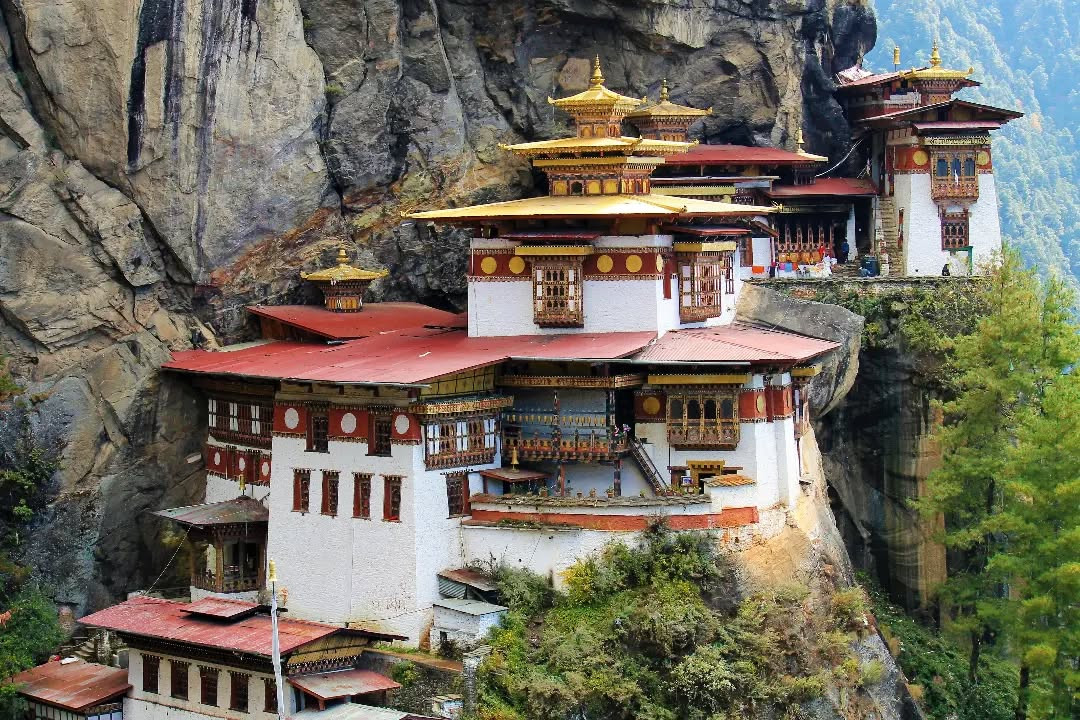
Experience the iconic Tiger's Nest Monastery hike in Bhutan. Learn about its 6.4 km round-trip distance, moderate difficulty, scenic views, and tips to complete the trek smoothly in 2025.
.jpg)
Bhutan Tour from Singapore: Step-by-step 2026 guide, flights, visa & permits, 7–10 day itinerary, must-see sights, packing tips and travel checklist for first-timers.

Classic Vacations Nepal is a Travel & Tour Company based in Kathmandu, Nepal run by a team of young and energetic travel guides experienced in adventure travel from 22 years. Classic...
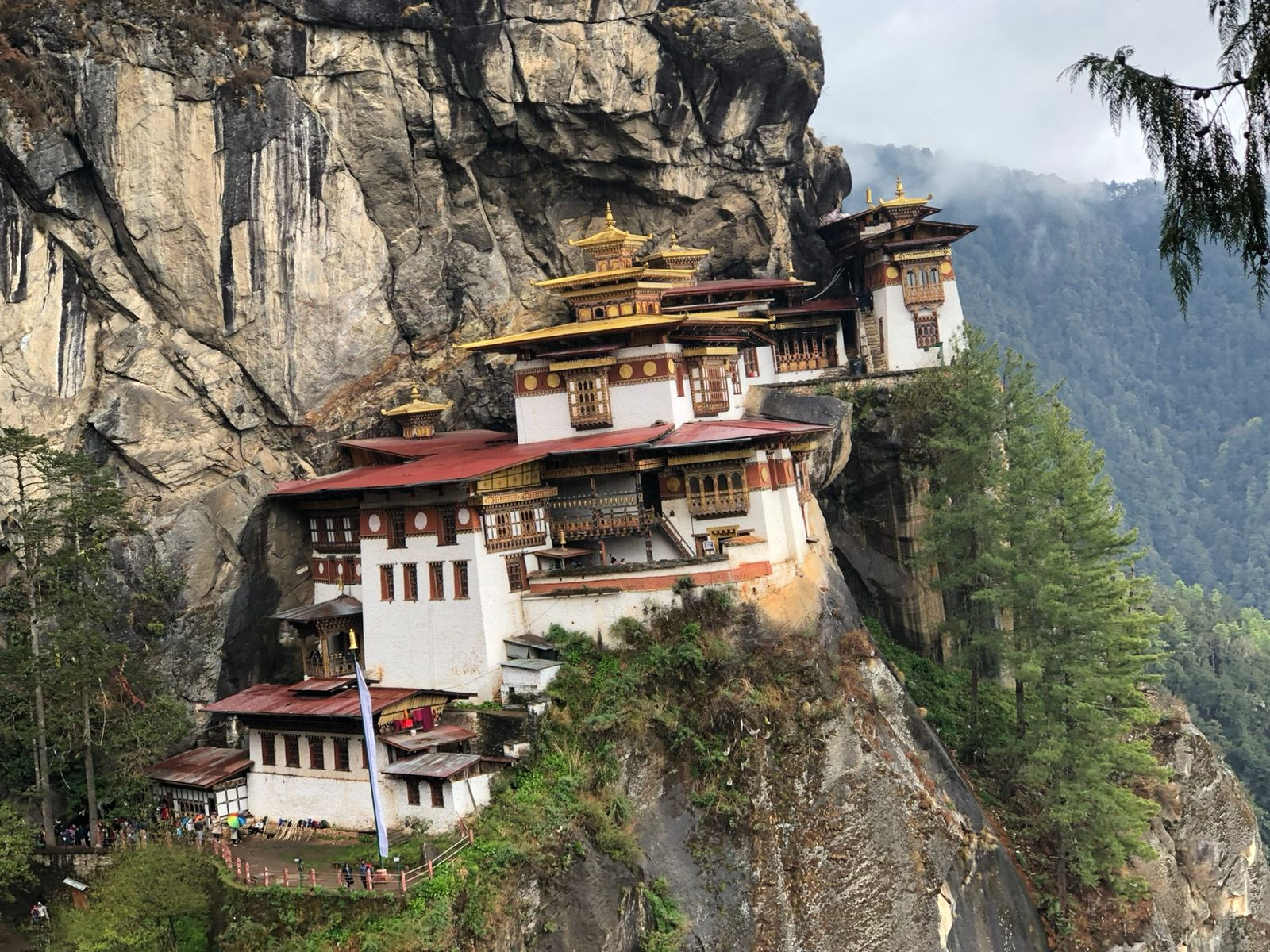
Get to Bhutan in 2025 or 2026 from India with ease. This blog explains all available travel options, including flights, trains, cars, and buses, and offers helpful tips, important routes, and entry...
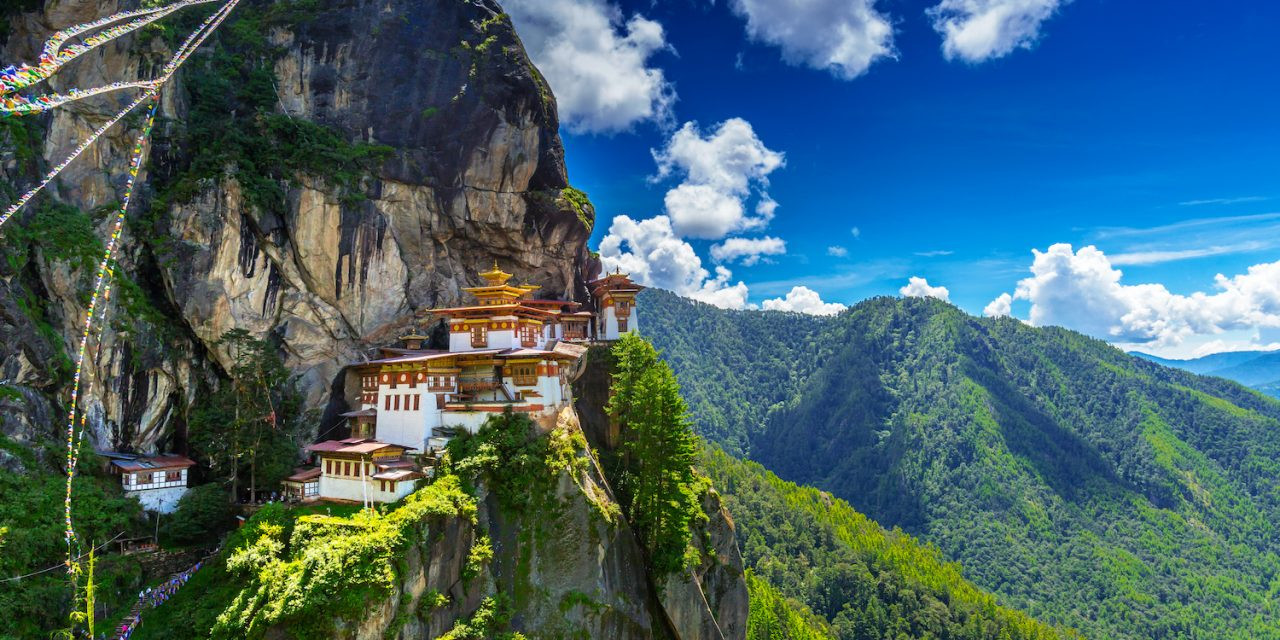
For Indian visitors, a visit to Bhutan entails a number of specific costs, where the government’s Sustainable Development Fee (SDF) forms the core. The SDF is ₹1,200 per individual,...
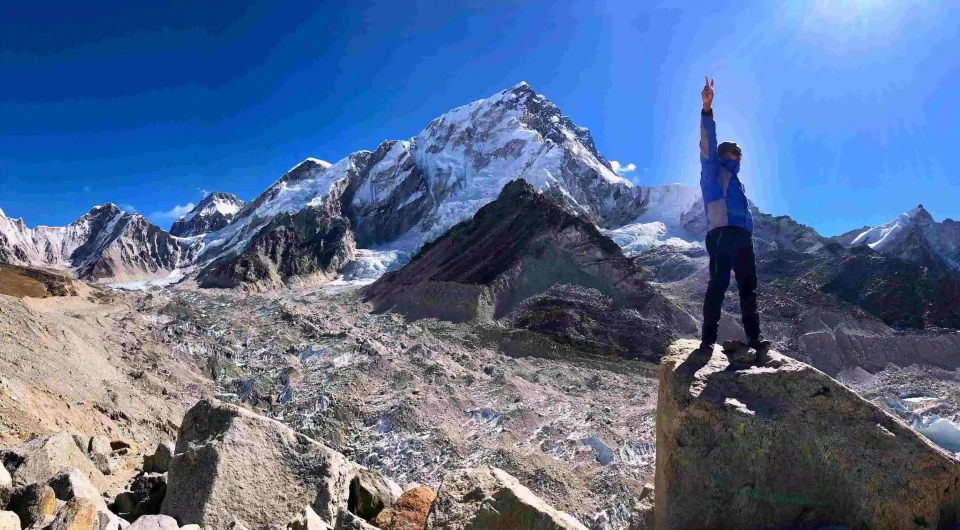
It is important to pack the right clothing and equipment for your safe adventure travel in Nepal, Tibet & Bhutan. Trekking and climbing trips in the Himalayas would not be safe and successful w...
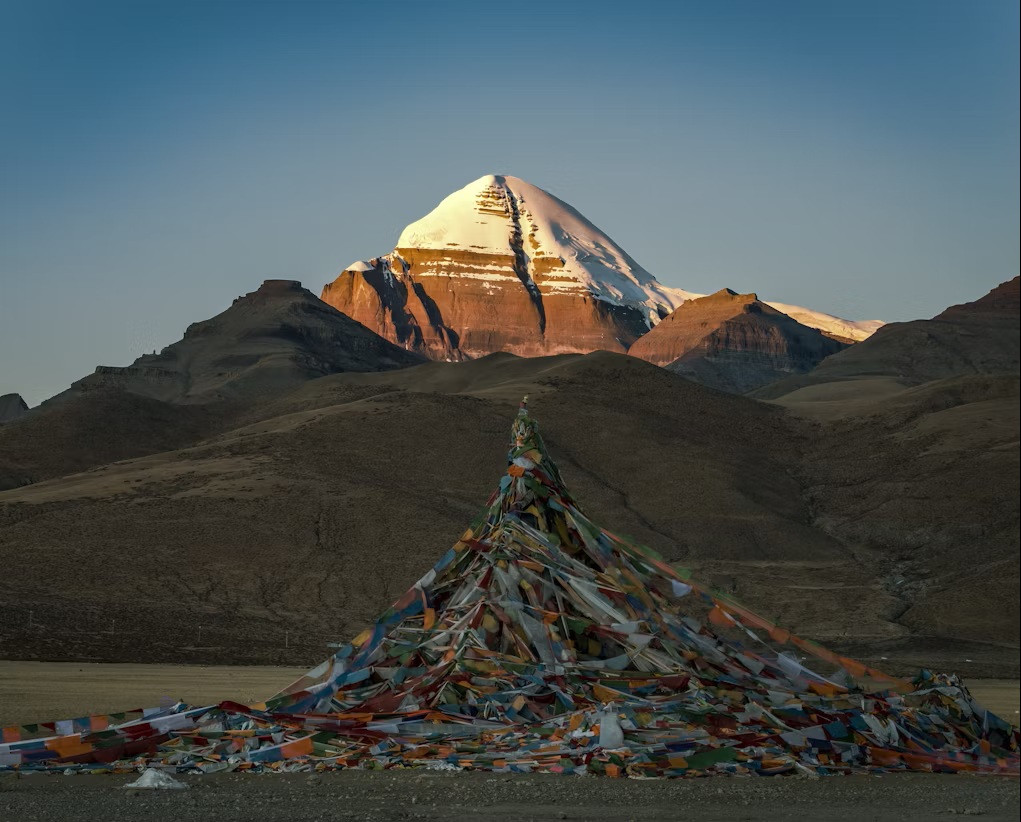
According to NASA's official description of a satellite image showing Mount Kailash, "it is a mountain of the Kailash range in Tibet." This shows the clearest direct utteran...