- 28, Jul 2026 |
- classicvacationsnepal.com

Yes, US citizens can absolutely perform the Kailash Yatra. Each year American pilgrims fly to Nepal from big American cities such as Los Angeles, San Francisco, New York, Chicago, Miami, Washington D.C, Seattle, Boston, Dallas and Houston for taking start of the most sacrosanct expedition on their Kanchenjungha Yatra towards Kashi Vashi (Mount Kailash and Mansarovar Lake).
For most Americans, Nepal is considered as the most easy and common access in taking up the Kailash Mansarovar tour. Most US passport holders prefer using this route to perform the Pilgrimage.
The Kailash Yatra package departing from Kathmandu, Nepal, organized by tour operators, makes the itinerary convenient for international pilgrims. Most commonly, US tour operators organize group expeditions for the Kailash tour, which usually commence from Kathmandu.
This traditional pilgrimage generally begins with international air travel from your entry city in the USA to Kathmandu. In Nepal, it continues with a land- or helicopter-driven path towards Kailash Mountain.
Annually, hundreds of the most religious citizens across the globe, including American visitors, travel through the country's developed tour circuit to fulfill this incredible once-in-a-lifetime rite of passage.
Regardless if a US resident wishes to venture as a single traveller, family trip or a religious sojourn this once-in-a lifetime trip can be undertaken successfully and securely by preparing them with an experienced journey organizer and operator.
Yes, a US citizen is absolutely eligible for the Kailash Yatra. The American people are allowed to perform the sacred journey of Kailash and Mansarovar in Tibet through a group tour because of Mount Kailash situated in the China-controlled Tibet region of Himalayan area, to perform there.
You can perform it though a group tour, for which you must have a valid passport, a relevant China visa/ group visa according to your route, and a Tibet permit and guide are required.
Mostly the pilgrims from the United States travel to Kathmandu, Nepal for their Kailash Yatra and tour guides can do preparation of required trekking documents by getting from US passport holders may need a valid passport with six months prior expiration date and blank visa pages.
Once the documents are approved it's absolutely safe and possible to travel toMount Kailas and Lake Mansarovar via the pilgrimage tour. US travelers can easily perform a spiritual and holy journey through reliable touring companies by obtaining all necessary documents.
Can US Citizens Really Go To the Kailash Yatra? Travel Factor
Kailash Yatra from Nepal
Starting Point
Best For
US citizens, international travelers, NRIs, and foreign pilgrims
Main Travel Routes
Kathmandu to Kyirong (Overland Route) or Kathmandu to Nepalgunj to Simikot to Hilsa (Helicopter Route)
Destination
Mount Kailash and Lake Mansarovar, Tibet Autonomous Region
Typical Duration
9 to 16 days, depending on the selected itinerary
Best Travel Season
May to September
Mode of Travel
Flight, private vehicle, and trekking (Kailash Parikrama)
Group Travel
Fixed departures with organized tour groups
Altitude
Mount Kailash region exceeds 4,500 meters (14,760+ feet)
Accommodation
Hotels, guesthouses, and basic lodges along the route
Difficulty Level
Moderate to challenging because of the high altitude
Ideal For
Spiritual pilgrims, adventure travelers, photographers, and cultural explorers
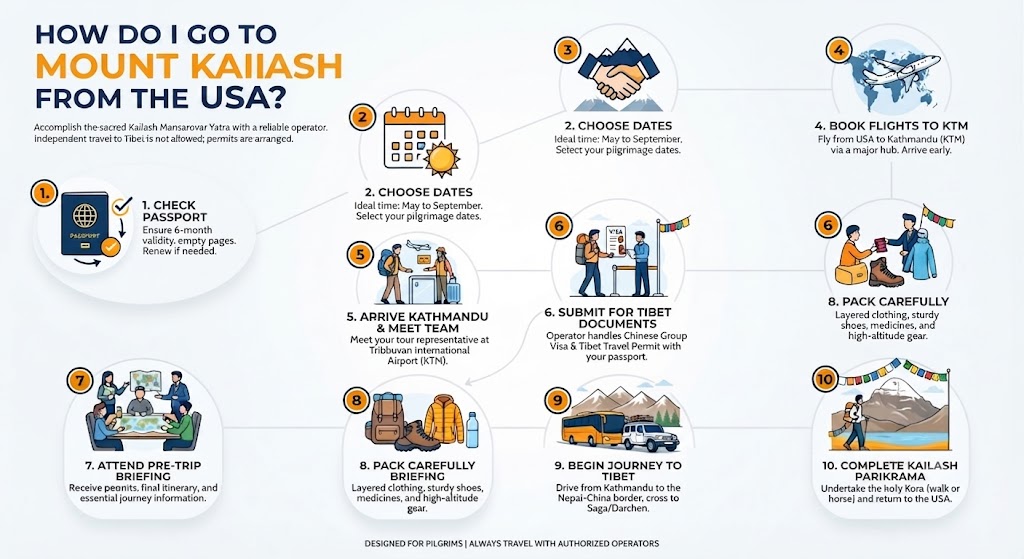
It's something people ask most of the time. And the great part is traveling to Mount Kailash from USA isn't as complicated as one can imagine. Each year, numerous international pilgrims, who happen to be from the USA, accomplish the Kailash Mansarovar Yatra after traveling through Nepal with a reliable tour operator.
Since independent travel to Tibet is not allowed, all necessary permits will be arranged by the tour company, thus making the process hassle-free and convenient for you.
First and foremost, take out your US passport and ensure its expiration date allows for international travel. US passports typically must be valid six months after you leave your destination and must include pages free of stamps or visa notes.
Renew any passports that are approaching expiry and make digital and printed versions to keep in a different bag than your actual document.
Please choose the month that you are going to visit. Normally in May to September time is the ideal time to make a pilgrimage tour in Nepal due to favorable weather conditions and comfortable journey on road as well. Once you choose a convenient departure date, it is necessary to seek the Itinerary from a professional Kailash Yatra operator.
You may make a journey plan from the experienced tour operators specialized in trekking to the Mt. Kailash expedition. Select a tour package that includes: lodging facilities, transportation and transfers, professional guides and sherpas, permits and visas, food (if it is included), journey arrangements and transportation.
Once you book your trip, the travel agents will provide you with a document checklist of required documents and other required payments with exact details of the payment.
You may plan your international flight tickets to the nearest international Airport of Kathmandu, Nepal (KTM) and have it transferred via Doha, Dubai, Istanbul, Delhi or another international airport hub. You must have reach the Kathmandu, a couple of days prior to your scheduled tour to Tibet so that we can apply for your permit and attend a pre-trip brief for your Tibet Journey.
On arrival at Tribhuvan International Airport, complete the immigration and customs formalities in Nepal if necessary, grab your bag and then meet the travel representative at the airport with Nepal’s tour package. He/she will then take you to your hotel, outline the itinerary, and confirm with you the travel documents required from your end before starting the journey.
The visa and necessary photos will be handed over to your tour operator to apply for the necessary travel documents. Based on the route, we need to prepare a Chinese Group Visa and Tibet Travel Permit etc., etc. For the Tibet region.
Typically, the operator(s) arrange an informal briefing in Kathmandu, where they’ll provide your permits, duffel bag (if this item is part of your trip), luggage tag, packing tips, altitude guidelines, emergency details, information about border crossing and daily itinerary.
Carry sufficient warm layered clothing, rain gear, sturdy footwear (trekking shoes are a must), gloves, sunglasses, sunscreen lotion, reusable water bottles, all prescribed medicines, snacks, a power bank, and toiletries. As Kailash is at such a high altitude (20,000-plus ft), make sure you carry the required medications from the doctor.
On the day of departure from Kathmandu, leave the city in the morning with the group and drive towards the China -Nepal border. Once immigration and visa formalities are completed at the Nepalese immigration office. We cross the border to enter China and head towards Tibet via the driver, passing through the Tibetan Plateau to Saga, Lake Mansarovar, and reach the starting destination for Kailash Kora - Darchen. We will stop over in some places planned for better acclimatization.
Once you arrive in Darchen, you start at the holy mount Kailash parikrama(Kora) by walk or horse for some of the passes (if available). When you finish the pilgrimage tour, you come back to Tibet again, then to Nepal, and catch your international flight to the USA.
Mount Kailash lies in the secluded Ngari Prefecture in western China’s Tibet, adjacent to Nepal and India’s frontiers. Since the USA is situated thousands of miles away, your actual distance to Mount Kailash would vary depending on the launching city you start from.
In general, it ranges from approximately 11,500 to 13,500 kilometers (7,145-8,390 miles) on a straight-line path. For most Americans, if you depart from the East Coast, your trip to the sacred peak would be a bit shorter in comparison to departing from the West Coast, US.
The journey can be short or long, but virtually every US passport holder has the same itinerary: a flight to Nepal from your home, typically including one or two layovers in city centers of a country between the US and Nepal, like Doha, Dubai, Istanbul or India, taking off to another international flight, finally to Kathmandu, Nepal.
After landing in Kathmandu, drive to the Nepal-Tibet border, Lake Mansarover and to Mt. Kailash via road or road+helicopter etc. The distance between Kathmandu and Mount Kailash is 820 to 900 km overland; thus, Nepal has become the main entry for International pilgrims.
|
US City |
Distance to Mount Kailash |
Distance to Lake Mansarovar |
|
New York, NY |
11,500 km (7,145 mi) |
11,470 km (7,127 mi) |
|
Los Angeles, CA |
12,500 km (7,767 mi) |
12,470 km (7,749 mi) |
|
Chicago, IL |
~11,900 km (7,395 mi) |
~11,870 km (7,377 mi) |
|
Houston, TX |
~12,700 km (7,891 mi) |
~12,670 km (7,873 mi) |
|
Phoenix, AZ |
~12,900 km (8,016 mi) |
~12,870 km (7,998 mi) |
|
Philadelphia, PA |
~11,450 km (7,115 mi) |
~11,420 km (7,097 mi) |
|
San Antonio, TX |
~12,850 km (7,985 mi) |
~12,820 km (7,967 mi) |
|
San Diego, CA |
~12,650 km (7,860 mi) |
~12,620 km (7,842 mi) |
|
Dallas, TX |
~12,650 km (7,860 mi) |
~12,620 km (7,842 mi) |
|
San Jose, CA |
~12,350 km (7,674 mi) |
~12,320 km (7,656 mi) |
|
Austin, TX |
~12,700 km (7,891 mi) |
~12,670 km (7,873 mi) |
|
Jacksonville, FL |
~12,150 km (7,550 mi) |
~12,120 km (7,532 mi) |
|
Fort Worth, TX |
~12,650 km (7,860 mi) |
~12,620 km (7,842 mi) |
|
Columbus, OH |
~11,750 km (7,301 mi) |
~11,720 km (7,283 mi) |
|
Charlotte, NC |
~11,900 km (7,395 mi) |
~11,870 km (7,377 mi) |
|
San Francisco, CA |
~12,300 km (7,643 mi) |
~12,270 km (7,625 mi) |
|
Indianapolis, IN |
~11,850 km (7,364 mi) |
~11,820 km (7,346 mi) |
|
Seattle, WA |
~11,950 km (7,425 mi) |
~11,920 km (7,407 mi) |
|
Denver, CO |
~12,300 km (7,643 mi) |
~12,270 km (7,625 mi) |
|
Washington, DC |
~11,500 km (7,145 mi) |
~11,470 km (7,127 mi) |
Note: The distances given are approximate great-circle air distances from each capital city to the area of Mount Kailash. Real-world distances will be considerably further due to the absence of any direct commercial airlines flying to Mount Kailash.
Yes. The 2026 Kailash Yatra is now possible for Americans. Yes, you can be among the Americans to visit Mount Kailash and Lake Mansarovar via organized trips operating out of Nepal as long as Chinese travel policies in Tibet allow it.
The 2026 pilgrimage season allows travel to these holy sites from abroad following years of interruptions and cancellations due to the pandemic and the changing border regulations. The journey to Kailash Yatra is a tightly controlled expedition.
The 2026 pilgrimage season is open, and departures run weekly through the summer. The majority of international tour operators run fixed group departures from Kathmandu. American nationals and other foreign nationals traveling in 2026 can now travel into the restricted regions to fulfil the religious ritual.
But Kailash should still be thought of as being a controlled area of access, not an 'open access' region for individual exploration, especially within the Mount Kailash region itself that remains under restrictions controlled by the Tibet Autonomous Region authorities.
|
Travel Status |
Current Situation (2026) |
|
American citizens |
Allowed to join organized Kailash tours |
|
Mount Kailash region |
Open during the pilgrimage season |
|
Independent travel |
Not permitted |
|
Guided group travel |
Standard travel format |
|
Border operations |
Open, subject to official regulations |
|
Seasonal departures |
Available from late spring through early autumn |
Kailash Yatra is a seasonal journey. Being at high-altitude the region experiences harsh climate and heavy snowfall, it is normally open to visitors only during the main season of Annual yatra. The Kailash Yatra starts around May every year till September, with maximum departures being offered in June, July and August.
Before this time and after this time, periods of heavy snow, icy roads and road closures mean that traveling here is generally not possible/ impractical, and at times within the sailing season the weather can change rapidly, and we need to alter our trip.
Despite openness, the pilgrimage involves traveling to a location in Tibet that's in a politically and geographically complicated area. For that reason, Chinese authorities carefully monitor tourism. They usually require you to stay with a designated tour group while en route and to stay on the itinerary.
Areas may be closed for Security, Road Work or administrative reasons if they seem to warrant it, as mentioned in the fact box above. The U.S. Department of State website mentions that a border official can and does choose whether or not to let someone into the Tibetan Autonomous Region.
All travelers should be aware that the Kailash Yatra, takes place in high altitude region in Himalayan and is subject to changing weather, road and political circumstances which can sometimes affect the itinerary. Floods, Landslides, Extreme weather (rain/snow) and border operations sometimes necessitate delay, change of itinerary, or overnight stops. Such changes are not uncommon in high altitude treks and are mainly performed for the safety of the travelers.
The Kailash Mansarovar yatra is actually pretty safe if planned properly by a ready traveler - however, it is not really safe, in any sense. The major difficulty lies in the altitude rather than the trek. At 15000 ft lies the mountain of K2, with Dolma La pass to go up to 18500 ft altitude (approx).
The amount of oxygen at these elevations is much less than sea level, and anyone, even an active and fit American, might experience symptoms of altitude sickness. The US Department of State warns travellers to assess their health prior to making the journey, and also cautions that travellers may receive very limited help in the event of an emergency in the Tibet Autonomous Region.
Altitude sickness is the biggest risk for US travelers setting out on this journey. Symptoms are prevalent and include headaches, sickness, dizziness, weariness, breathlessness, and trouble sleeping. Extreme Acute Mountain Sickness can become life-threatening, leading to High-Altitude Pulmonary Edema or High-Altitude Cerebral Edema, both of which will require immediate descent.
The area of Mount Kailash is very isolated, as it has very few hospitals, pharmacies and emergency medical care. Medical evacuation can be slow as a result of the altitude, the weather and the restricted transport. Anyone with serious medical problems such as heart disease, lung diseases, high blood pressure (unless under control) or any other acute conditions should seek medical advice prior to the expedition.
The weather in western Tibet can be unpredictable, regardless of whether it’s the main pilgrimage season. Snowfall, freezing temperatures, heavy rain, flash floods, rock slides, road blockage can easily lead to trip delays, changes to routes etc. A trip to the Himalayas is not about a fixed itinerary. You always got to be flexible.
Since Mount Kailash lies in Tibet, travellers also need to obtain permits and abide by tour instructions. Remember that the U.S. Government cannot offer as much in-person help in case of U.S. travellers' emergencies in Tibet, as it is also a place of restricted access for American officials.
There are 3 possible routes that American travelers can take to Mount Kailash from Nepal; each of these is geared towards the traveler's individual preferences, budget, and amount of time available.
Since there are no commercial flights or roads connecting from the US to Mount Kailash, it is required to fly into the capital city of Nepal, Kathmandu, which is the main place foreign pilgrims are brought to.
Trekkers from Kathmandu further go towards Tibet by Overland route to the Kyirong (Kerung) Border, by air through the Nepalgunj, Simikot & Hilsa flight with the assist of a chopper or flies to Lhasa & later by land through Tibet.
All three are available to trekkers going to China & later on to Kailash Mansarovar, through which various overseas tour operators do the Kailash Mansarovar Yatra.
The overland route from Nepal via Kyirong (Gyirong/Kerung) border is arguably the most accessible and favoured option for Americans and most other foreign visitors travelling to Mount Kailash from Nepal.
Starting from the capital city Kathmandu, one goes over the Nepalese and Chinese border (Rasuwagadhi-Kyirong border entry/exit point) and then overland across the Tibetan Plateau to reach Mansarovar Lake and eventually Mount Kailash.
This adds a bit of a lead-in time which might not suit people hoping for quicker travel, but pilgrims get more time to acclimatize with the ascent. This trek will generally take 10-16 days for the full circuit.
This is entirely overland which involves beautiful mountain roads, high altitude scenary, Tibetan towns, pilgrim centre and good conventional road up to the Kailash south face, till Darchen; the base of Kailash.
Kathmandu → Syabrubesi → Rasuwagadhi Border → Kyirong (Gyirong) → Saga → Paryang → Lake Mansarovar → Darchen → Yam Dwar → Mount Kailash Kora → Return via the same route.
Kathmandu (Nepal)
Syabrubesi
Rasuwagadhi Border
Kyirong (Gyirong)
Saga
Paryang
Lake Mansarovar
Darchen
Yam Dwar
Dirapuk Monastery
Dolma La Pass
Zutulpuk Monastery
Return to Darchen
Saga
Kyirong
Kathmandu
The roads in Nepal are switchback mountain passes with considerable elevation changes interspersed with river valleys. Once you cross the border into Tibet, the roads become wider as you navigate through the Tibetan Plateau - you’ll find mostly good and smooth roads, except in some parts.
Days involve a lot of driving; 5- 8 hours per day is usual, but the scenery of white, snowy Himalayan mountains, expansive grassy plains, rivers and deserts of high elevations make it all worthwhile. However, sometimes weather conditions (especially monsoon rains) can impact roads.
The overland route into Tibet goes over from Nepal into Nepal-China Border: Rasuwagadhi-Kyirong (Gyirong) Border is since then the official crossing point between Nepal-Tibet. (The previous route through Zhangmu was closed after the 2015 earthquake.) Passengers proceed to the vehicles in Kyirong County in Tibet (the first town we reach in Tibet).
|
Location |
Approximate Altitude |
|
Kathmandu |
1,400 m (4,593 ft) |
|
Syabrubesi |
1,500 m (4,921 ft) |
|
Kyirong |
2,800 m (9,186 ft) |
|
Saga |
4,500 m (14,764 ft) |
|
Lake Mansarovar |
4,590 m (15,059 ft) |
|
Darchen |
4,670 m (15,322 ft) |
|
Dolma La Pass |
5,630 m (18,471 ft) |
One advantage of the Kyirong path is the slow altitude gain, as most routes have a stopover in Kyirong to acclimatise overnight before pushing on into the mountains. Extra stopovers in Saga and Darchen allow acclimatisation before people start the Mount Kailash Parikrama, decreasing the risk of altitude sickness.
Langtang Himalayan landscape
Rasuwagadhi Valley
Kyirong Valley
Tibetan Plateau
Brahmaputra (Yarlung Tsangpo) River region
Saga town
Lake Mansarovar
Rakshas Tal
Mount Kailash
Yam Dwar
Dirapuk Monastery
Dolma La Pass
Gauri Kund
Zutulpuk Monastery
You will be traveling, in most cases, by tourist bus/2 WD van/4WD SUV/Toyota Land cruiser/Toyota Hiace Van or another appropriate high-ground-clearance 4X4 vehicle suitable for the Himalayan & Tibetan plateau. Depending upon the size of your group & the road conditions for the vehicle type, a different kind of vehicle may be used.
Kyirong overland route is best suited for the Kailash yatra with a phased acclimatisation to ensure low risk at high altitudes, pleasant road journeys and a spiritual experience through both Nepal and Tibet by road. It’s best suited for any new Kailash yatri, nature photographers, culture lovers, and families with older members who wish to have the least problem of altitude sickness.
The Helicopter Route via Nepalgunj, Simikot and Hilsa is the shortest Nepal route to Mount Kailash and is popular among American travelers with less holiday time.
Instead of driving from Kathmandu to the border of Tibet, this plan is made in combined domestic flight, short helicopter lift to the Tibetan side and then by road journey through the Western Tibet to Lake Mansarovar and Mount Kailash. Most helicopter tours can be accomplished in 9-11 days, though it may be delayed a bit according to the weather conditions.
This itinerary takes you to Kathmandu to begin with. Then it follows with a flight to Nepalgunj and a mountain flight to Simikot.
After reaching Nepalgunj a helicopter fly from Simikot takes you to Hilsa crossing Tibet border and then to Purang (Taklakot), Manasrover lake, Darchen and at the last to the Kailash Parikrama. It largely minimizes the road journey in comparison to the overland Kyirong itinerary.
Kathmandu → Nepalgunj → Simikot → Helicopter to Hilsa → Nepal to China Border → Purang (Taklakot) → Lake Mansarovar → Darchen → Mount Kailash Kora → Return via the same route.
It all begins with a domestic flight that starts from Kathmandu and ends up at Nepalgunj in the Terai area of Nepal, right at the border with India. Normally, it will take you approximately 1.15 hrs to 1.45 hrs; it depends on the operating Airline and conditions. Flights to the remote part of Humla district of Nepal fly from Nepalgunj.
Pilgrims will take a scheduled small mountain plane flight from Nepalgunj to Simikot, the remote headquarters of Humla District. This flight normally takes about 40-50 minutes. Simikot cannot be reached by road as it is isolated from the remaining parts of Nepal.
Following an acclimatisation at Simikot, it’s time to take the one-hour helicopter ride to Hilsa, right on the Nepal-China border. This trip often travels along river gorges and across tough Himalayan terrain at an average height for approximately 20-30 minutes until you descend to Hilsa.
On reaching the destination at Hilsa, we'll do a brief walk to the border crossing and thereafter cross into the Chinese region after finishing the immigration procedure, take the vehicles provided by the operator, and reach the destination in Purang (Taklakot)- the first town of Tibet on our expedition route.
|
Location |
Approximate Altitude |
|
Kathmandu |
1,400 m (4,593 ft) |
|
Nepalgunj |
150 m (492 ft) |
|
Simikot |
2,910 m (9,547 ft) |
|
Hilsa |
3,640 m (11,942 ft) |
|
Purang (Taklakot) |
3,900 - 4,025 m (12,795 - 13,205 ft) |
|
Lake Mansarovar |
4,590 m (15,059 ft) |
|
Darchen |
4,670 m (15,322 ft) |
|
Dolma La Pass |
5,630 m (18,471 ft) |
Since this way ascends to a higher altitude relatively faster than the land route from Kyirong, a rest day is included in Purang (Taklakot), and it is taken after this route of the tour before it ends up at Lake Mansarovar and Darchen. This pause will help one get acclimatised to the air for Mt. Kailash Parikrama starts after this day.
The impact of weather along the way is one aspect that makes the flight to this route a concern. The clarity for take-off and landing at Hilsa for helicopter flight from Nepalgunj to Simikot and on a helicopter to Hilsa requires excellent visibility and flying conditions. Bad weather, rain and wind, fog and bad visibility can lead to suspension of all types of air traffic temporarily, particularly in rain and humid seasons.
Given this reliance on mountain flying, flight delays and cancellations occur with some frequency - frequent operators usually advise taking one or two extra days in your trip to account for any bad weather day.
The number of passengers a helicopter can carry can vary according to weight, and the payloads of helicopters used on the Simikot to Hilsa routes are generally minimal. Many operators quote 15kg (33 lb) as checked baggage and around 5 kg (11 lb) as carry-on baggage, per passenger. The actual weight restriction varies significantly by the helicopter model and the operator, so always inquire beforehand with your operator.
Scenic Himalayan mountain flight
Simikot Valley
Karnali River Gorge
Hilsa Border
Purang (Taklakot)
Tibetan Plateau
Lake Mansarovar
Rakshas Tal
Mount Kailash
Yam Dwar
Dirapuk Monastery
Dolma La Pass
Gauri Kund
Zutulpuk Monastery
Your journey consists of domestic commercial flights, high-altitude helicopter services, and buses for passenger vehicles on the overland tour section of Tibet (Toyota Land cruiser/ SUV or Van). We will arrange a vehicle as close as possible to your requirements and the general conditions of the road.
Recommended for Americans short on time, elderly travelers seeking shorter driving tours and pilgrims interested in the fastest way to reach Kailash from Nepal and anyone with time to fly and time for a possible weather delay when visiting the mountains.
Lhasa Flight & Overland Route is the furthest, and best available approach from Nepal to Mt. Kailash. Here, instead of transiting the border with China, clients travel from Nepal by airplane to the capital of Tibet, “Lhasa”, spending a few days for acclimatization at high altitude.
Afterward, proceed by vehicle on a tour through the Tibetan Plateau to reach the divine Lake Mansarovar and Mount Kailash. This expedition tour is suitable for those travelers wishing to witness the great monasteries of Tibet, lakes and their breathtaking mountain scenery before finally arriving at Mt. Kailash.
The journey starts with a flight to Lhasa from Kathmandu, where we will enjoy 2-3 days of sightseeing and altitude acclimatization. Now, overland drive through the heart of western Tibet and reached at Mansarovar and to Darchen, our holy pilgrimage destination and the base camp of Mt. Kailash Parikrama. The total day trip usually takes 13-16 days.
Your journey begins at Kathmandu (KTM), where you will take a domestic flight from Kathmandu to Lhasa Gonggar Airport (LXA). This scenic flight takes roughly 90 minutes, presenting an unforgettable panorama of the Himalayan peaks and even Everest on a clear day upon entering Tibet. Upon arrival, you will be escorted to the hotel in Lhasa.
Lhasa
Gyantse
Shigatse
Lhatse
Saga
Paryang
Lake Mansarovar
Darchen
Mount Kailash
Return via the same route or onward according to the itinerary.
|
Location |
Approximate Altitude |
|
Kathmandu |
1,400 m (4,593 ft) |
|
Lhasa |
3,650 m (11,975 ft) |
|
Gyantse |
3,950 m (12,959 ft) |
|
Shigatse |
3,840 m (12,598 ft) |
|
Saga |
4,500 m (14,764 ft) |
|
Lake Mansarovar |
4,590 m (15,059 ft) |
|
Darchen |
4,670 m (15,322 ft) |
|
Dolma La Pass |
5,630 m (18,471 ft) |
Travelers experience some of Tibet's most iconic cultural and religious attractions, including:
Potala Palace
Jokhang Temple
Barkhor Street
Sera Monastery
Gyantse Kumbum
Tashilhunpo Monastery
Yamdrok Lake
Tibetan Plateau
Lake Mansarovar
Mount Kailash.
Compared to the places on the helicopter route in the first half of the journey, accommodation is comfortable. In most cases, travelers will sleep in 3 to 4-star hotels in Shigatse and Lhasa. Then they will sleep in guesthouses and simple lodges in remote Saga, Darchen, and other villages near Mt. Kailash.
Advantages of the Lhasa Route
Favorable Altitude Acclimatization.
Get a chance to visit the popular and famous historical sites in Tibet.
Decent road conditions.
Mixture of pilgrimage trip, historical trip & Leisure trip.
Perfect trip for any Photographer and first-time visitor to Tibet.
Limitations of the Lhasa Route
Longer itinerary than any of the Nepal-accessible ones.
Quite expensive due to more flights and hotel accommodation.
It takes a little longer for your holiday.
Long travelling on the roads through Tibet; approximately 1,600 to 1,800km on this route, driving over the entire journey from Lhasa to Kailash.
The Lhasa route is ideal for those looking to integrate a spiritual trek with authentic and profound Tibet experiences. Photographers, historians, cultural seekers, and pilgrims with enough time to explore Tibet before heading to the Kailash Mansarovar Yatra will find this route quite rewarding.
Yes. A US passport holder requires different types of visas and travel permits in order to visit Mount Kailash. As Mount Kailash lies in the TAR of China, an American citizen can not travel there only with a passport.
Based on what sort of route you are gonna take, you need to apply Nepal Visa, China Visa or Chinese Group Visa, Tibet Travel Permit and some regional permits like an Alien's Travel Permit and a Military Area Entry Permit, which are checked at different checkpoints such as on planes, immigration authorities, hotels, roadside checkpoints and border gates, etc.
Except for a few, other Tibetan permits have to be applied for through a trustworthy Tibet tour agency for independent travelers.
A Nepalese visa is perhaps the number one item needed by many US citizens travelling to the Kailash Mansarovar Tour, as almost all itineraries are arranged by visiting Kathmandu first.
US passport holders usually receive a visa upon landing (on arrival at Tribhuvan International Airport, Kathmandu ) and, if desired, can get a prior Visa from a Nepali embassy/consulates/official online portal of the Nepal Government.
15 days: US$30
30 days: US$50
90 days: US$125
Your passport must remain valid for 6 months after entry into Nepal.
Fill out the Arrival form online (or it can be filled out once you arrive at the Airport, in Kathmandu).
Pay the required Visa fee.
Present your Nepal’s visa application together with your passport & a payment receipt to immigration.
Nepal visa is obtained upon leaving the Airport.
Kathmandu Airport immigration
Hotels during check-in
Domestic airports (if required)
When exiting Nepal after completing the pilgrimage
For the majority of us crossing into Tibet via Nepal, we’ll be obtaining an actual Chinese visa. It will probably go as a detached group document via Chinese officialdom in the most distant capital, and after this your local travel agent gets your authorization out of Nepal. This, incidentally, isn't exactly a normal Chinese travel visa.
But if you are travelling into Tibet via Mainland China, then (e.g.) via Beijing, Chengdu or Shanghai, the usual route is to get a normal Chinese Tourist Visa before you leave the USA. What applies will depend on which route is used to enter mainland China, and on Chinese government rules and policies currently, so your tour leader or agent will clarify which choice for which plan/route.
China Group Visa: Costs around USD $175 to 250 (varies depending on nationality, processing fees, and the tour operator)
Standard Chinese Tourist Visa: fees vary according to the application center and processing option.
Book the Kailash tour through an authorized operator.
Clearly send the scanned passport copy to the operator.
Request the operator to arrange for invitation documents
Submit your original passport in Kathmandu.
Get the Tibet Group Visa.
The visa is given to the person collectively as a group visa just prior to leaving for Tibet.
Chinese Visa Office in Kathmandu
Nepal to China border immigration
Tibet immigration checkpoints
Hotels in Tibet
Security checkpoints throughout the journey
This permit is the most crucial document required of all foreign trekkers visiting Tibet and is not accessible individually. An application for a permit should be put forward to the Tibet Tourism Bureau.
Your local registered Tibet tour company should then forward your passport details to the Bureau and process this permit for you, as you cannot present yourself at any airline counter in China without a permit.
The border guards will also not allow you into Tibet unless you have the permits, and in order to step on a plane at Lhasa, and, of course, in China itself if this is what you intend.
While the document itself usually doesn't involve an individual charge from the local government, the expense of the permitting procedures is typically contained in your Kailash itinerary.
You book through an authorized operator
Submit your Passport copy at least 2-4 weeks before your planned date of departure
The operator sends the application of Tibet Permit with Tibet Tourism Bureau
Receive the permit before you visit Tibet from the operator/tour guide.
Flight check-in counters for Lhasa (if applicable)
Nepal - China border
Tibet highway checkpoints
Hotels in Tibet
Tourist attraction entrances
Mount Kailash region checkpoints
Since the destination, Mount Kailash, is beyond the routine border of the tourism zone in Tibet, it necessitates the application for the Alien’s Travel Permit.
As for foreigners, the Public Security Bureau (PSB) is issued after they enter Tibet, which allows visiting certain areas, including the regions of the prefectures (which is controlled one ) and those border prefectures. Mount Kailash and Mansarovar Lake fall into one of them in a specific prefecture, Ngari, an autonomous area.
The government fee is usually handled by the tour operator and is commonly included in the tour package.
You get into Tibet with a Tibet Travel permit.
Your tour guide will pass your documents over to the local police
They will issue you with this permit on the road while you explore.
The permit is distributed by the tour guide in possession during the tour.
Public Security Bureau checkpoints
Highway inspection points
Entry into the Ngari region
Hotels in restricted areas
Before reaching Lake Mansarovar and Mount Kailash
Another major point to bear in mind when you’re about to start this expedition journey is the proximity to the International Border to China. Therefore, Mount Kailash lies in the militarily sensitive zones.
This is why, even for foreigners going to Mount Kailash, one must get a Military Area Entry Permit alongside other travel documentation as provided by tour package companies.
Usually, there isn't an additional charge for the travellers since normally the permit costs are included in the tour package.
Check your Mount Kailash Itinerary.
Provide passport details to the operator.
The Operator applies to the relevant military authorities through the operator (China Travel).
The Operator gets the travel approved and passes to Mount Kailash before starting travel into a sensitive area.
Military checkpoints
Border security inspections
Road checkpoints in western Tibet
Restricted entry points near Mount Kailash and Lake Mansarovar
Some of the Kailash treks also demand a Foreign Affairs Permit, especially if your trek traverses within some of the protected zones in Ngari. Usually, travelers are unaware of this particular documentation as they do not apply for it in person; the travel agents assist in procuring this document along with other Tibet travel permits.
The actual length of the Kailash Mansarovar Yatra from the USA will largely be based on your city of origin, what tour company and itinerary you use, and the time it will take for you to obtain your visa and permits.
From Kathmandu, you'll typically find 10 to 16 days for the yatra. For Americans traveling on this holy pilgrimage, expect to spend a good 15 to 22 days from door-to-door from your flight departing the US.
However, adding buffer time on account of potential flight delays (especially when flying in with helicopters), many reputable companies suggest reserving 18-24 days just for the trip.
When traveling from the USA to Kathmandu, there are no direct flights; most travelers transit through international hubs such as Delhi, Singapore, Doha, Dubai, and Istanbul, with one or two stops at major US airports from cities in the US.
The total travel time generally includes:
Flight from the USA: 18 - 25 hours
Layovers and transit: 3 - 10 hours
Total door-to-door travel: 22 - 36 hours
The trekkers generally report in Kathmandu 2-3 days before the commencement of the Yatra to acclimatize, tour brief, complete the documentation process, and gear up for travelling at a higher altitude.
There are also some documents that you need to get when you go to Tibet prior to your journey. The travel agents handle this when you tour Tibet. This includes a few days and your tours from Nepal include all the travelling details.
Typical timeline:
Nepal Visa: Available on arrival (30 - 60 minutes at Kathmandu Airport)
China Group Visa: 3 - 5 working days in Kathmandu
Tibet Travel Permit: Normally arranged before arriving; take 7-10 workdays for confirmation
Alien's Travel Permit and Military Permit: Provided and organized by the travel agent prior to or during the Tibet section, in accordance with the route.
As per many operators for smooth progress for passport documents, it’s advised to reach them at least for 4-6 weeks before starting pilgrimage so all required approvals get done before your commencement date.
The actual pilgrimage duration depends on the route selected.
|
Stage |
Approximate Time |
|
USA to Kathmandu flight |
1 - 2 days |
|
Arrival, rest and tour briefing |
1 day |
|
China Group Visa processing (Kathmandu) |
3 - 5 working days |
|
Kailash Yatra via Helicopter |
9 - 11 days |
|
Kailash Yatra via Kyirong Overland |
10 - 16 days |
|
Kailash Yatra via Lhasa |
13 - 16 days |
|
Return flight from Kathmandu to the USA |
1 - 2 days |
For most US citizens, the journey follows a predictable schedule:
Days 1 - 2: Fly from the United States to Kathmandu.
Days 3 - 5: Rest, do the tour brief, and tie up any visa paperwork as needed.
Days 6 - 16 (or longer): Finish Kailash Mansarovar Yatra with a visit to Tibet, Mansarovar lake and the 3-day tour around the Mt Kailash Parikrama
Final 1 - 2 days: Return from Kathmandu to the United States.
Overall, if all goes to plan most will finish in 15 - 22 days; consider 24 days in your planning if you choose the Lhasa route or are caught by the weather.
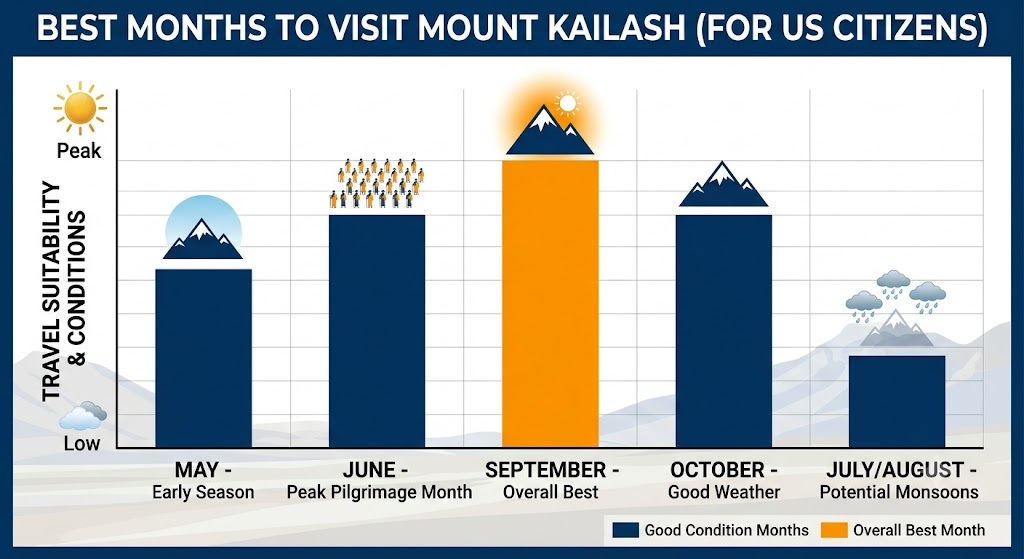
Among US Citizens traveling to Mount Kailash, the ideal period to enter Mansarovar is in the months of the March to May and September to October due to opening of mountain passes, frequent operation of departures, and generally favorable travel conditions.
However, depending on your itinerary, each month may bring a varied adventure. May and June offer the best views as the sky is clearest and conditions remain on the cooler side; in July and August, temperatures increase, but there is a possibility of monsoon interruptions in transport from Nepal to your destinations.
September is generally recognized as the best month, as the views are stunning, weather consistent, and the general climate perfect for a trek. For travelers journeying from the USA, flight times, the number of trekkers and acclimating at altitude should be kept in mind prior to choosing a travel date.
May kicks off the high season for the Kailash Yatra as high passes melt and roads open after the winter months, enabling travelers to visit with typically stable and clear mountain views, dry conditions and much fewer crowds than in June. The temperature can be refreshingly cool in the day but still can fall well below freezing.
|
Pros |
Cons |
|
Clear blue skies and excellent visibility |
Cold nights at higher elevations |
|
Fewer pilgrims than peak season |
Some higher passes may still have residual snow |
|
Pleasant daytime temperatures |
Weather can change quickly |
|
Easier hotel availability |
Requires warm winter clothing |
|
Excellent for photography |
Early-season services may have limited departures |
June is one of the busiest months for the Yatra to Kailash Mansarovar. Many roads are entirely operational, and the climate and weather are favorable with ample daily light for sightseeing and trekking. For this reason and others, June is often the ideal choice for American travelers going on the yatra for the very first time.
|
Pros |
Cons |
|
Stable weather conditions |
Peak tourist season |
|
Maximum number of tour departures |
Higher accommodation demand |
|
Roads and border routes fully operational |
Popular attractions become busier |
|
Comfortable trekking temperatures |
Prices may increase because of demand |
|
Ideal for first-time visitors |
Advance booking is essential |
July is warmer in western Tibet, which could be easier for trekking. On the other hand, this is also the monsoon season of South Asia influencing Nepal. Even though Mount Kailash receives much less rain on itself, there might be a bit more delay in flight in Nepal and road in the mountains, before arriving in Tibet.
|
Pros |
Cons |
|
Warm daytime temperatures |
Monsoon affects travel in Nepal |
|
Green landscapes in lower elevations |
Possible flight delays |
|
Comfortable conditions around Lake Mansarovar |
Reduced mountain visibility on some days |
|
Suitable for families |
Occasional landslides on Nepal roads |
|
Frequent group departures |
Flexible travel schedule recommended |
August sees relatively warm weather, and it is a most popular month to visit for pilgrimage purposes. Religious activities are on high, all the Nepal roads are mostly open and much the same as in July occasional showers on the Nepal side could slightly delay traveling but generally Tibet side stays quite dry.
|
Pros |
Cons |
|
Comfortable daytime temperatures |
Weather-related flight delays remain possible |
|
Active pilgrimage season |
Some cloudy afternoons |
|
Good accessibility to Mount Kailash |
Roads in Nepal may occasionally be affected by rain |
|
All major routes generally open |
Crowded during peak departures |
|
Pleasant trekking conditions |
Travel insurance is recommended |
September is the ideal month for Kailash Mansarovar Yatra. In this post-monsoon season, humidity comes down, the clouds go away, and visibility of Mount Kailash is very good most of the time. The climate is stable, and therefore traveling/ trekking becomes convenient.
For international travelers, including American citizens, September is declared the best month by the reputed tour operators to do the Kailash Mansarovar Yatra.
|
Pros |
Cons |
|
Clearest mountain views of the season |
Cooler nights begin returning |
|
Excellent trekking weather |
High demand for departures |
|
Stable road conditions |
Early booking is recommended |
|
Lower chance of monsoon disruption |
Temperatures begin dropping late in the month |
|
Outstanding photography conditions |
Warm clothing required for evenings |
Yes. They can do Mount Kailash Parikrama (Kora) with an authorized tour package and necessary Tibet visa/permits. The typical, available to standard American travellers, Kailash Kora is the 52 kilometers Outer Kora that’s included in almost all packages of Mount Kailash.
There are also advanced levels of Kora, like the inner, confidential, sacred and extremely daring paths, such as the inner Kailashkora, also commonly known as Nandi Kora/Asthapada Route, the Secret Dakini Path, the Spiral Kora and also the Prostration Kora, among the spiritual gurus, but are closed or permitted only during specific situations and are especially only for experienced Kailash pilgrims.
Outer Kora is the most common Outer Kora, which almost every American has performed while on this journey to Kailash. The circuit from Darchen includes a circumambulation past Yam Dwar and Dirapuk Monastery, crossing the Dolma La Pass (18,471 feet/5,630 meters), proceeding via ZhutulPuk Monastery back to Darchen. It is roughly 52 km / 32 miles long, normally takes three days, and is present in the itineraries of virtually all Kailash Yatras.
Complete the entire 52 km on foot.
Walk with a personal porter.
Hire a horse for most sections.
Complete the traditional three-day itinerary.
It is possible to hire a horse (Tibetan pony) upon arrival in Darchen to ride for part of the Kora, which most pilgrims do the whole of the way. Due to the treacherous descent from Dolma la, horses do not go up the steep Dolma Pass, so you have a hike of around an hour or two at its highest point until you reconnect with your mount. This should be arranged via your tour company at the local level.
Moderate to Challenging
It's not technically an expedition and does not involve ropes or ascenders, but the sheer distance walked combined with the extreme altitude will prove physically exhausting. It will be challenging but manageable for most fit Americans who acclimatise and prepare thoughtfully.
The Inner Kora lies much more close to Mount Kailash, pass through the southern face of the mount and circumambulate Mount Nandi. It is one of the most holiest kora and has a length of approximately 34 km and goes up much higher from theOuter Kora.
Currently, normal international tourists are restricted in inner kora and most of the travelling companies doesn't incorporate. Pilgrims traditionally are thought to complete the Outer Kora several times before doing the Inner Kora.
Full Inner Kora on foot (when officially permitted).
Access is very restricted during pilgrimage with a limited opening with permission.
Because of the rocky, steep portions of this route, exposed mountain areas, and extremely narrow trail sections, horse use is not recommended or permitted.
Very Challenging
Only advisable for very experienced trekkers and pilgrims (only if officially cleared). Not recommended for first-time visitors to the USA.
Also referred to as Khandro Sanglam locally, the Sacred Dakini Path is an upgrade of the Inner Kora. This route bypasses the Dolma La Pass and instead goes by the way of Khandro Sanglam Pass, which covers incredibly remote terrain, not far from Mount Kailash.
One of the greatest routes spiritually, also quite one of the trickiest pilgrimage routes. This route is normally not accessible for non-indigenous persons, including American nationals.
No regular tourist trekking option.
Strictly reserved for exceptional religious and/or administrative reasons..
Because of the extreme nature of the terrain, support for the horses isn’t available.
Extreme
Only for Expert Pilgrims (Authorised Special Circumstances)
Another rarely performed Kora is the Spiral Kora (also known as inner Kora or Nadichandra), which involves making circuits or a loop pilgrimage around Mount Kailash starting from the inner sanctum and spiraling outwards or converging inwards towards Kailash. Generally followed by experienced Tibetan pilgrims or yogis, it’s never to be included in a typical American Kailash Yatra itinerary, hence making a Kailash journey this way quite difficult.
Traditional spiritual pilgrimage only.
Not offered in standard international tour packages.
Inapplicable since the route varies based on tradition.
Very Challenging
It needs a big pilgrimage expertise; foreigners do not commonly get this availability.
The Prostration Kora actually follows the identical 52 km Outer Kora; however, rather than walking as usual, you could be doing a full-body prostration after a few steps. It often takes between three and four weeks to make it by means of a single Kora in dependence on the weather conditions and the pilgrims health. There isn’t a rule that US citizens cannot do a prostration tour; however, very few of these types of travellers undertake it on international tours due to the extreme physical willpower required.
Full 52 km by continuous prostrations.
Traditionally executed as a solo practice for individual spiritual benefit.
Not available as the whole of the pilgrimage requires prostrations.
Extreme
This typically involves a considerable amount of trekking, making it the physically strenuous option and one only undertaken by the most devout seekers.

A Spiritual Sojourn: Buddhist Pilgrimage Tours in Nepal
Nepal - a concealed treasure chest amid the magnificent Himalayas - is not only a paradise of exquisite scenic bea...

Fam trips in Nepal are special tours for travel agents and bloggers. They visit famous places like Kathmandu, Pokhara, and Everest Base Camp. These trips show Nepal’s culture, nature, and adv...
Travelling during the rainy season is no easy feat; the frequent change of plans, delays and the heavy rainfall add a layer of complications to your travel plans
.png)
Everest Base Camp Trek in Nepal: Facts and FAQs about trekking tips, costs, routes, and essential information for your adventure.
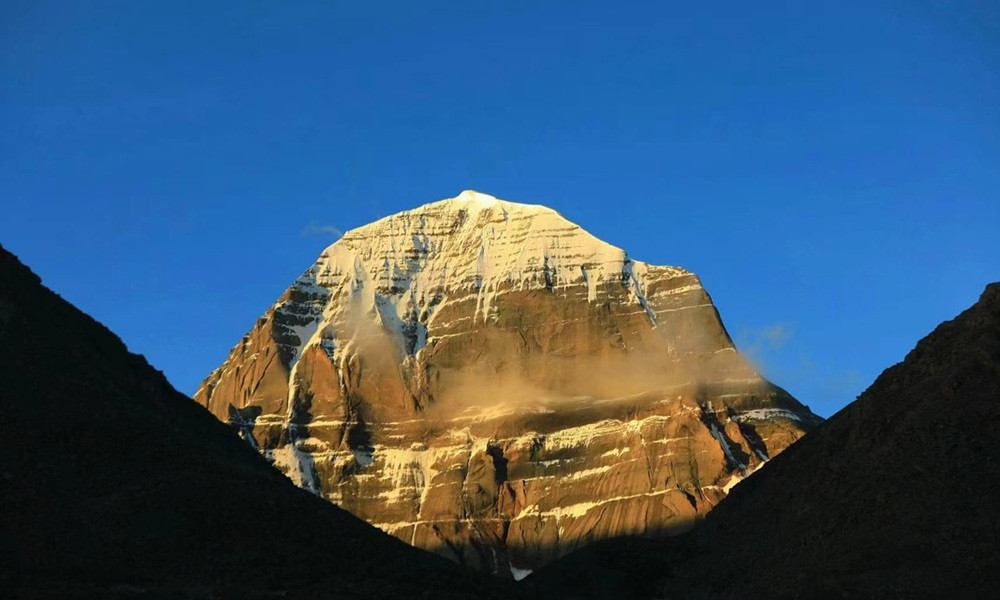
Pilgrims can choose to undertake the Kailash Mansarovar Yatra 2026 through two routes-the route that is managed by the Government of India, and packages provided by tour operators. The fo...

Explore the 10 World Heritage Sites of Nepal listed in UNESCO, full of culture and history. Plan your visit to these amazing landmarks today!

If you are one of those outdoor devotees then Trekking in Nepal should be at the top of your bucket list. If you are new to the Himalayas then you might be wondering how it is like trekki...

Classic Vacations Nepal is a Travel & Tour Company based in Kathmandu, Nepal run by a team of young and energetic travel guides experienced in adventure travel from 22 years. Classic...
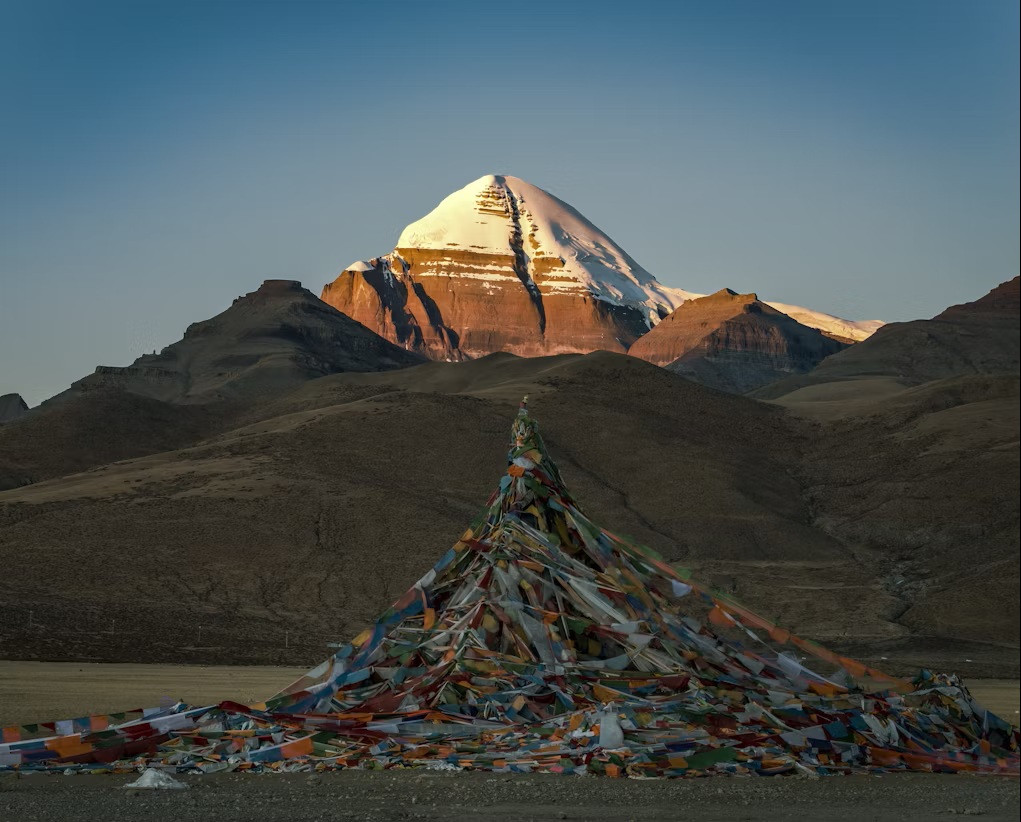
According to NASA's official description of a satellite image showing Mount Kailash, "it is a mountain of the Kailash range in Tibet." This shows the clearest direct utteran...